

How are Fermentation Starter Conveyed?
When it comes to the efficient handling and transportation of fermentation starters in the brewing and distilling industries, selecting the right conveyance method is crucial for maintaining product quality and operational efficiency. Fermentation starters, such as yeast cultures or solid fermentation materials, require specialized equipment to ensure they are moved safely and effectively from one processing stage to another. This article explores the primary methods used for fermentation starter conveyance, highlighting the key considerations and applications of each approach.
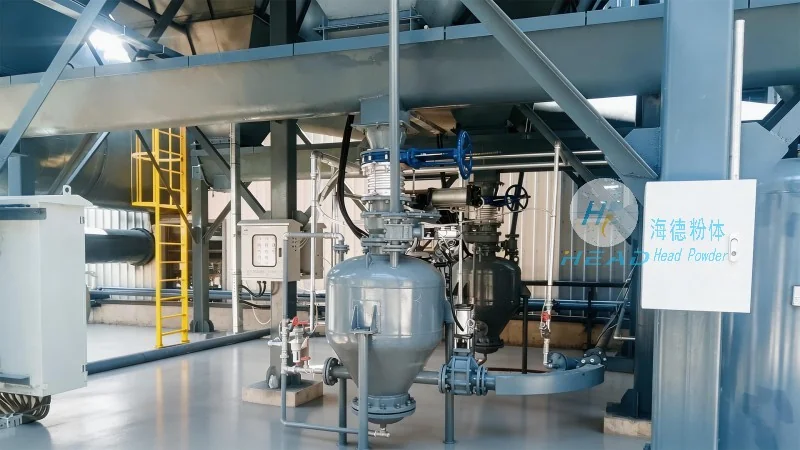
1. Pneumatic Conveying Systems
Pneumatic conveying systems utilize air or other gases to transport fermentation starters through a network of pipes. This method is particularly effective for handling fine powders and granules, which are common in fermentation processes. The system typically consists of a hopper, a blower, and a receiver, with the fermentation starter being fed into the hopper and then carried by the moving air stream to the desired location. Pneumatic conveyors offer advantages such as low maintenance, the ability to transport materials over long distances, and the option to integrate with existing dust collection systems. However, they may require higher energy input compared to other methods and can be sensitive to the moisture content of the starter material.
2. Screw Conveyors
Screw conveyors, also known as auger conveyors, are a widely used method for transporting solid materials, including fermentation starters. These systems consist of a rotating helical screw inside a trough or tube, which moves the material forward through the conveyor. Screw conveyors are suitable for both horizontal and inclined transport and can handle a variety of materials, from dry powders to semi-liquid slurries. They are often preferred for their simplicity, low cost, and ability to operate in a closed system, which helps maintain hygiene and prevent contamination. The design of the screw (e.g., pitch, diameter) can be adjusted to suit the specific characteristics of the fermentation starter, ensuring optimal performance. However, they may experience wear and tear over time, especially when handling abrasive materials, and require regular maintenance to avoid blockages.
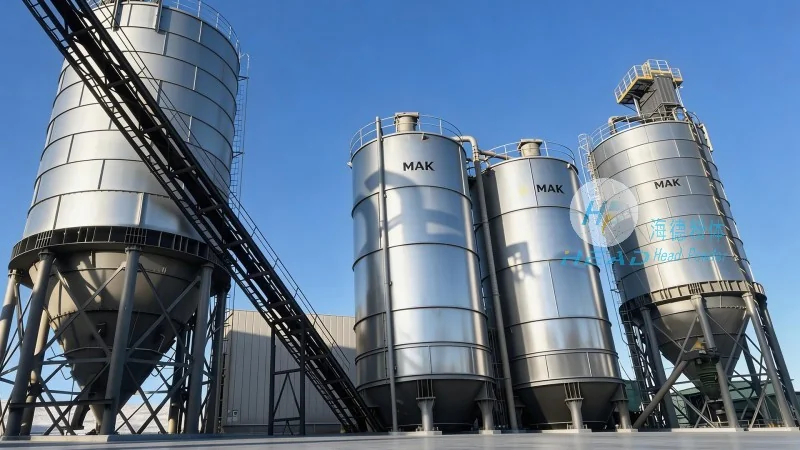
3. Belt Conveyors
Belt conveyors use a continuous belt to transport fermentation starters, making them ideal for moving larger quantities of material over short to medium distances. The belt is supported by rollers and can be configured in various orientations, including horizontal, inclined, or even vertical lifts. This method is commonly used in breweries and distilleries for transporting bulk fermentation starters from storage silos to processing equipment. Belt conveyors offer high capacity and can handle a wide range of materials, including wet or sticky substances. They are also relatively easy to install and maintain, with the option to add accessories like side walls or gates to contain the material. However, they may require more space compared to other systems and can be susceptible to damage from heavy or sharp objects in the starter material.
4. Bucket Elevators
Bucket elevators are vertical or inclined conveyors that use a series of buckets attached to a chain or belt to lift and transport fermentation starters. These systems are particularly effective for moving materials vertically, such as from a lower storage area to an upper processing stage. The buckets are filled with the starter material at the bottom of the elevator and then travel up the frame, emptying at the top into a discharge hopper. Bucket elevators are known for their high efficiency and ability to handle large volumes of material with minimal space requirements. They are commonly used in industrial settings where vertical transport is necessary and can be designed to operate in a closed environment to maintain product integrity. However, they may be more complex to install and maintain compared to other conveyance methods, and the buckets can wear out over time with abrasive materials.
5. Hydraulic Conveying
Hydraulic conveying systems use a liquid medium, typically water or a specialized fluid, to transport fermentation starters. This method is particularly suitable for handling wet or slurry-based materials, such as fermented mash or liquid yeast cultures. The system involves pumping the liquid and starter mixture through a pipeline, with the starter being suspended and moved by the fluid flow. Hydraulic conveyors offer the advantage of being able to transport materials over long distances with relatively low energy consumption and minimal pressure drops. They are also effective at handling abrasive or corrosive materials, as the liquid medium can protect the conveyor components. However, they require a closed system to prevent leakage and may need additional equipment for liquid separation and recycling.
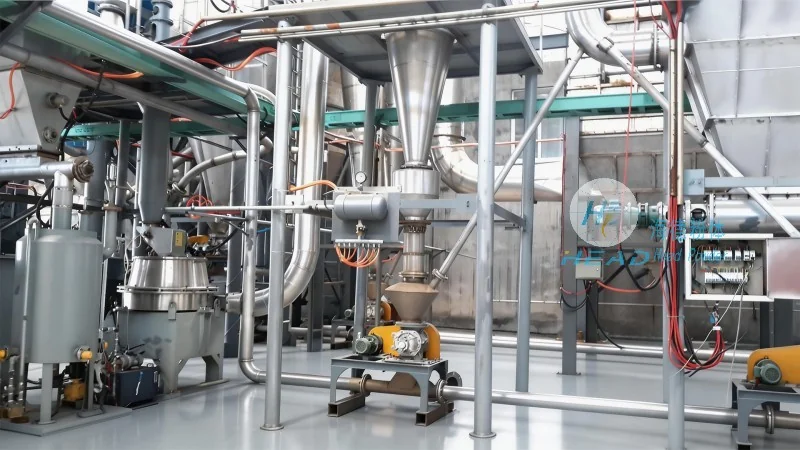
6. Combination Systems
In many industrial applications, a single conveyance method may not be sufficient to meet all the requirements of fermentation starter handling. As a result, combination systems are often employed, integrating multiple technologies to achieve optimal performance. For example, a pneumatic conveyor might be used to transport fine powders from a storage bin to a screw conveyor, which then moves the material to a belt conveyor for final processing. These hybrid systems allow for flexibility and can be tailored to the specific needs of the production line. By combining the strengths of different conveyance methods, manufacturers can improve overall efficiency, reduce downtime, and maintain product quality throughout the transportation process.
When selecting a conveyance method for fermentation starters, several factors must be considered, including the physical properties of the starter (e.g., particle size, moisture content, bulk density), the distance and direction of transport, the required capacity, and the available space and budget. Each method has its own advantages and limitations, and the optimal choice depends on the specific application and operational constraints. By understanding the characteristics of each conveyance system and aligning them with the needs of the fermentation process, manufacturers can ensure reliable and efficient transportation of their fermentation starters.