

What is a Hydroxide Cobalt Powder Pneumatic Conveying System? What Are Its Design Principles?
For industries dealing with hydroxide cobalt powder, efficient and reliable material handling is crucial. A hydroxide cobalt powder pneumatic conveying system is a specialized equipment designed to transport fine powders like hydroxide cobalt through a pressurized or vacuum system. This system is essential for maintaining product quality and operational efficiency in manufacturing processes.
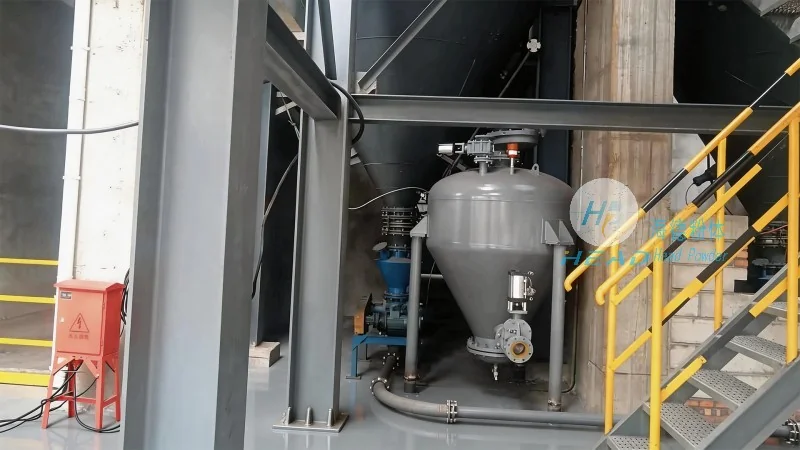
Company Overview: Shandong HeadPowder Engineering Co., Ltd.
HeadPowder, a leading provider in the field, specializes in the design and manufacturing of advanced pneumatic conveying systems. With a strong focus on precision engineering and customer-specific solutions, the company has established itself as a trusted partner for businesses requiring high-performance material handling equipment. HeadPowder’s commitment to quality and innovation ensures that their systems meet the stringent demands of modern industrial applications.
Understanding Pneumatic Conveying Technology
Pneumatic conveying systems utilize air or gas to move powders through a pipeline network. In the case of hydroxide cobalt powder, which is a fine and potentially abrasive material, the system must be designed to handle these characteristics effectively. The technology involves either pressure or vacuum to transport the powder, with pressure systems typically used for long-distance or high-volume applications, while vacuum systems are more suitable for short distances or when dealing with sensitive materials.
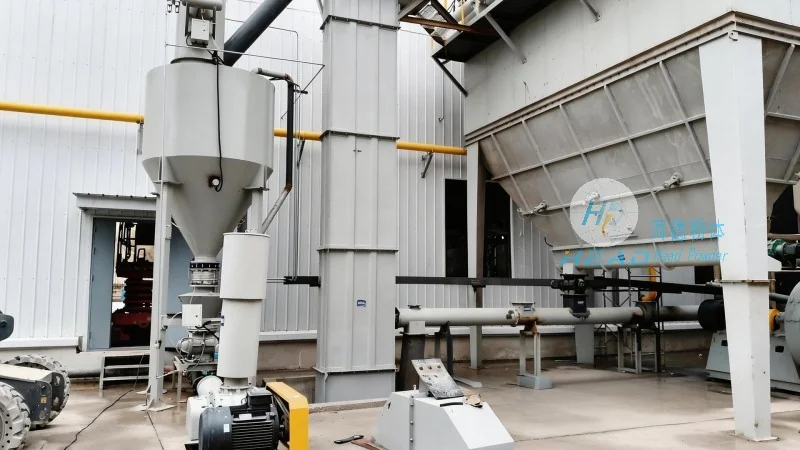
Design Principles of Hydroxide Cobalt Powder Pneumatic Conveying Systems
The design of a hydroxide cobalt powder pneumatic conveying system involves several critical principles to ensure optimal performance. First, the system must be capable of handling the specific properties of hydroxide cobalt powder, such as its particle size, moisture content, and flowability. The design includes components like feeders, conveying lines, and separation equipment that are tailored to these characteristics. For instance, the feeders are designed to provide a consistent flow of powder into the system, preventing blockages or uneven distribution. The conveying lines are often made of materials resistant to corrosion and abrasion, which is important given the chemical and physical properties of hydroxide cobalt. Additionally, the system incorporates dust collection and filtration components to maintain air quality and comply with environmental regulations.
Key Components and Their Functions
A hydroxide cobalt powder pneumatic conveying system consists of several key components, each playing a vital role in the overall operation. The primary components include the material feed hopper, which stores and feeds the powder into the system; the air compressor or vacuum pump, which provides the necessary pressure or vacuum; the conveying line, which transports the powder; and the separation or collection unit, which removes the powder from the air stream. The feed hopper is equipped with a rotary valve or other feeding mechanism to control the flow rate, ensuring a steady supply of powder. The air compressor or vacuum pump generates the required air flow, which is then mixed with the powder to create a slurry-like mixture for transport. The conveying line is typically made of stainless steel or other corrosion-resistant materials to withstand the abrasive nature of hydroxide cobalt powder. The separation unit, often a cyclone or bag filter, captures the powder from the air stream, allowing the clean air to be discharged or recirculated. Each component is carefully selected and integrated to ensure the system operates efficiently and reliably.
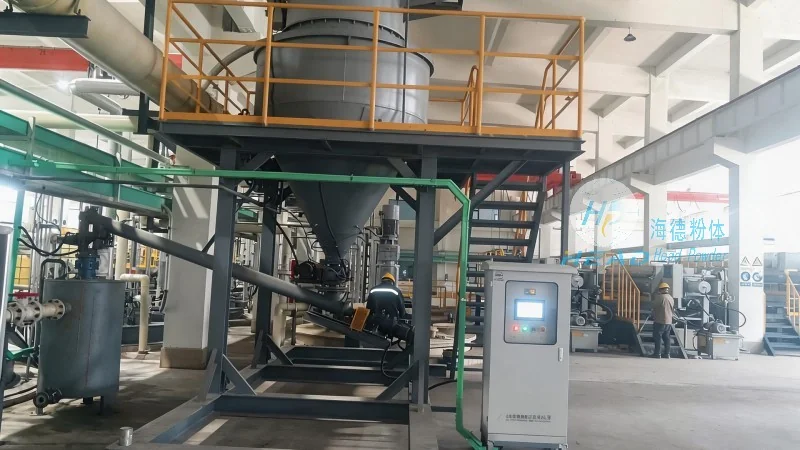
Advantages of Using a Hydroxide Cobalt Powder Pneumatic Conveying System
Implementing a hydroxide cobalt powder pneumatic conveying system offers several advantages over traditional material handling methods. One of the key benefits is the ability to transport the powder in a closed system, which prevents contamination from external sources and minimizes dust emissions. This is particularly important for hydroxide cobalt powder, which may be used in applications where purity is critical, such as in battery manufacturing or chemical processing. The closed system also enhances safety by reducing the risk of exposure to airborne particles. Additionally, pneumatic conveying systems can handle fine powders that are difficult to transport using mechanical methods, such as belts or buckets. The system’s ability to transport materials over long distances without the need for intermediate storage or handling points makes it an efficient solution for large-scale operations. Furthermore, the system can be easily integrated with other manufacturing processes, allowing for seamless material flow and improved overall productivity.
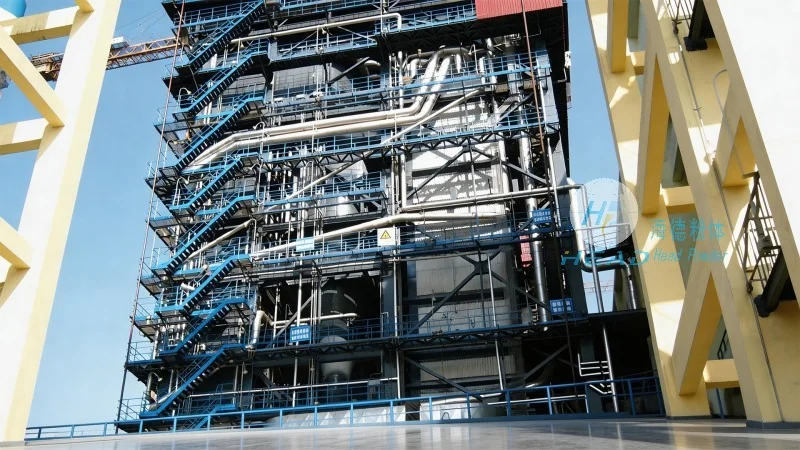
Applications in Industrial Settings
Hydroxide cobalt powder pneumatic conveying systems are widely used in various industrial applications where the handling of fine powders is required. In the battery industry, for example, hydroxide cobalt is a critical component in lithium-ion batteries, and the system is used to transport the powder from storage to production lines. The system ensures that the powder is delivered in a controlled manner, maintaining its quality and preventing contamination. In chemical processing, the system is used to transport hydroxide cobalt powder between different processing stages, such as mixing, drying, and packaging. The ability to handle the powder in a closed system helps maintain the integrity of the material and ensures that the final product meets the required specifications. Other applications include pharmaceutical manufacturing, where the system is used to transport hydroxide cobalt powder for the production of specialty chemicals, and in research laboratories, where the system is used for small-scale material handling and testing.
Maintenance and Operational Considerations
To ensure the long-term performance and reliability of a hydroxide cobalt powder pneumatic conveying system, proper maintenance and operational considerations are essential. Regular maintenance activities include cleaning the conveying lines and separation equipment to prevent buildup of powder and debris, which can affect the system’s efficiency. The air compressor or vacuum pump should be checked regularly for proper operation and lubrication to ensure consistent air flow. The feed hopper and feeding mechanisms should be inspected for wear and tear, and replaced as needed to maintain consistent flow rates. Operational considerations include monitoring the system’s performance parameters, such as pressure, flow rate, and powder level, to detect any issues early and prevent downtime. It is also important to follow the manufacturer’s guidelines for operating the system, as improper use can lead to damage or reduced efficiency. By adhering to proper maintenance and operational practices, the system can provide reliable service for many years, ensuring optimal performance and cost-effectiveness.