

What is a High-Temperature Fine Powder Pneumatic Conveying Machine? And What Are Its Design Principl
High-temperature fine powder pneumatic conveying machines represent a sophisticated solution for transporting fine powders in industrial processes where elevated temperatures are a standard operating condition. These machines are essential for industries such as cement production, chemical manufacturing, and food processing, where materials like cement, fly ash, and other high-temperature powders need to be moved efficiently and safely. The equipment is engineered to handle the unique challenges posed by high-temperature environments, ensuring that the material is conveyed without degradation, caking, or loss of quality. Developed by Shandong HeadPowder Engineering Co., Ltd., a leading manufacturer based in China, these machines combine advanced technology with robust construction to meet the demanding requirements of modern industrial applications.
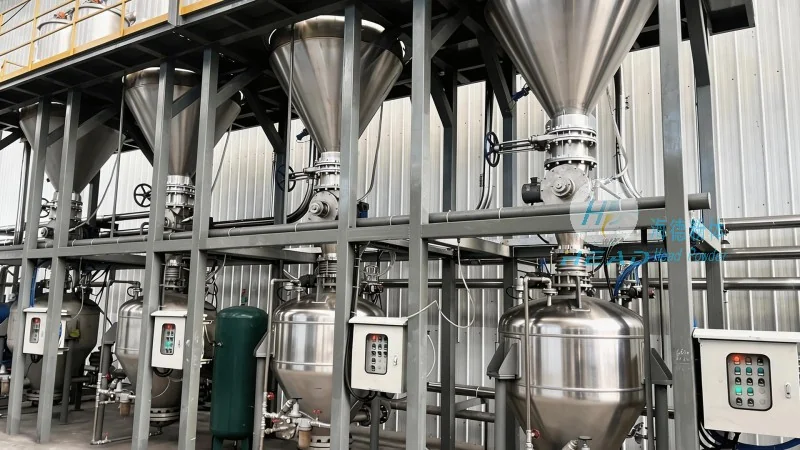
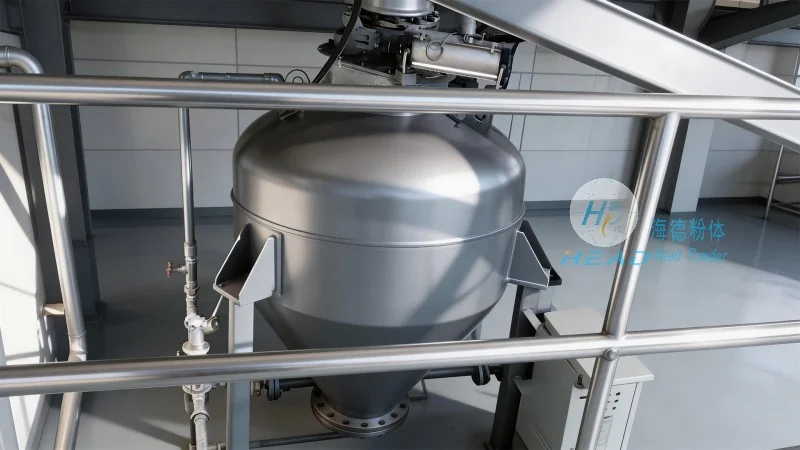
Key Features and Typical Applications
The primary features of high-temperature fine powder pneumatic conveying machines include their ability to operate at temperatures up to 200°C or higher, depending on the specific model and material being handled. The machines are designed to handle fine powders with particle sizes ranging from 1 to 200 microns, making them suitable for a wide range of applications. Typical uses include transporting cement from storage silos to production lines, conveying fly ash from power plants to cement kilns, and moving other high-temperature powders in chemical and food processing facilities. The enclosed system design ensures that dust emissions are minimized, contributing to a cleaner and safer working environment. Additionally, the equipment is built for durability, with components made from heat-resistant materials that can withstand continuous operation under harsh conditions.
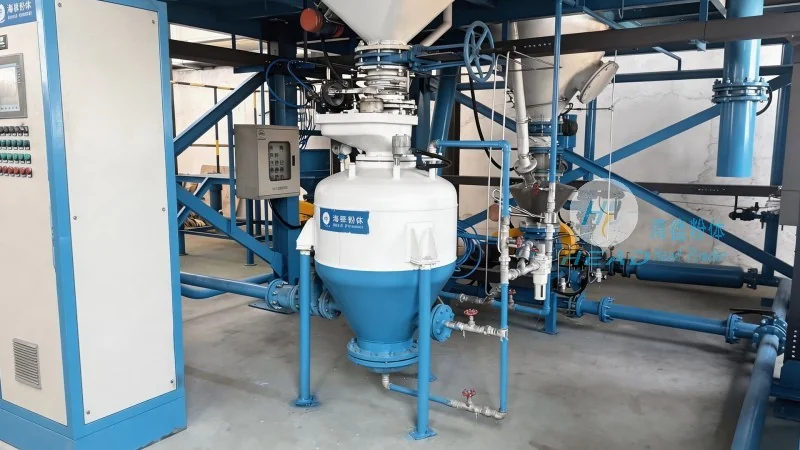
Working Principle: How Pneumatic Conveying Works
The fundamental principle behind high-temperature fine powder pneumatic conveying is the use of compressed air to create a flow that transports the powder through a pipeline. The system typically consists of several key components: a hopper for material storage, a feeder to control the flow rate, a conveying line (often equipped with bends and elbows), and a receiver for the discharged material. In high-temperature applications, the system incorporates special features to maintain performance and safety. For instance, the hopper and feeder are often insulated to prevent heat loss, and the conveying line may be lined with heat-resistant materials to avoid material degradation. The air is introduced into the system at a controlled pressure and flow rate, creating a velocity that lifts and transports the powder particles through the pipeline. The design ensures that the powder is conveyed in a dilute phase, meaning the particles are suspended in the air stream rather than settling as a dense phase, which helps maintain consistent flow and prevents blockages.
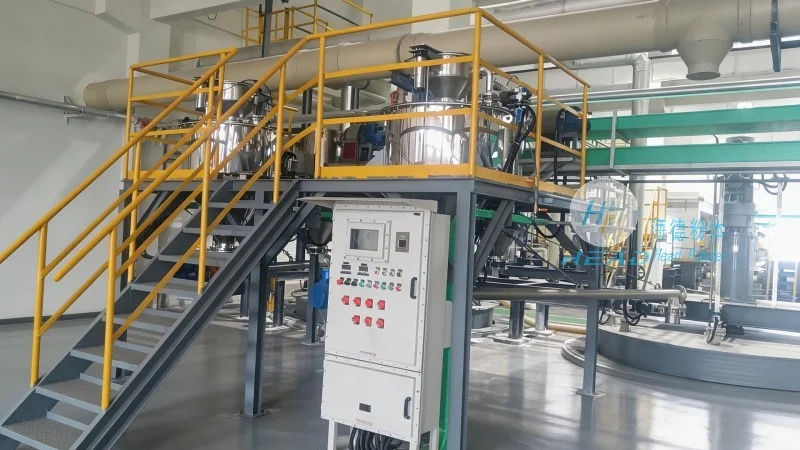
Design Principles for High-Temperature Operation
The design of high-temperature fine powder pneumatic conveying machines follows several critical principles to ensure reliable and efficient operation under elevated temperatures. First, the selection of materials is paramount. Components such as the hopper, feeder, and conveying line are made from materials with high thermal resistance, such as stainless steel, alloy steels, or specialized heat-resistant alloys. These materials can withstand temperatures up to 200°C or higher without losing strength or developing cracks. Second, proper insulation and heat management are incorporated into the design. The hopper and feeder are often insulated with thermal blankets or jackets to maintain the material's temperature and prevent heat loss, while the conveying line may be insulated to avoid heat transfer to the surrounding environment. Third, the system is engineered for optimal air flow and pressure control. The air pressure and flow rate are carefully calibrated to maintain a stable conveying velocity, ensuring that the powder particles are consistently suspended and transported without deposition or blockages. Fourth, the design includes features to prevent material degradation, such as avoiding high shear forces or excessive heat exposure that could cause caking or agglomeration.