

Calcium Carbide Purification Ash Transport Methods: Options and Considerations
Calcium carbide purification ash, a byproduct of the calcium carbide production process, requires efficient and reliable transport methods to ensure smooth industrial operations. The choice of transport method depends on factors such as ash characteristics, distance, and operational requirements. This article explores several common methods used for transporting calcium carbide purification ash, highlighting their advantages and practical applications.
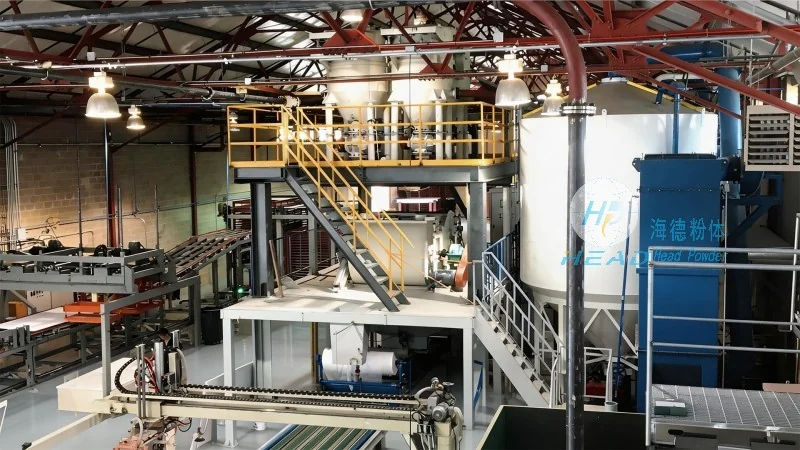
Overview of Calcium Carbide Purification Ash
Calcium carbide purification ash is a solid residue generated during the purification of calcium carbide, typically containing calcium oxide, carbon, and other impurities. Its physical properties, including particle size, moisture content, and bulk density, influence the selection of an appropriate transport system. Understanding these characteristics is crucial for selecting the most effective transport method.
Common Transport Methods for Calcium Carbide Purification Ash
Several transport methods are commonly employed in industrial settings for calcium carbide purification ash, each with its own set of advantages and limitations. The primary methods include pneumatic conveying, belt conveyor systems, and pipeline transport. Each method is suitable for different scenarios based on the scale of operation, distance, and material properties.
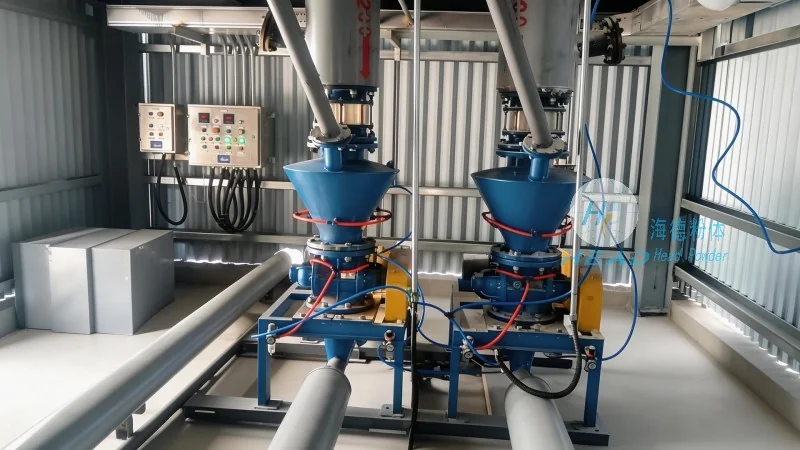
Pneumatic Conveying Systems
Pneumatic conveying uses air pressure to move solid materials through a pipeline. This method is particularly effective for transporting fine or dusty ash, as it can handle materials with high moisture content and prevent dust dispersion. The system typically consists of a blower, a hopper, and a pipeline network. For calcium carbide purification ash, a positive pressure system is often preferred to maintain material flow and prevent clogging. The efficiency of pneumatic conveying depends on the air velocity and the design of the pipeline, which must be carefully engineered to accommodate the ash's characteristics. Pneumatic systems are widely used in industries where dust control and material handling speed are critical.
Belt Conveyor Systems
Belt conveyor systems are a traditional and widely used method for transporting bulk materials over long distances. These systems consist of a continuous belt that moves over rollers or pulleys, transporting the ash from the source to the destination. Belt conveyors are suitable for transporting larger particles and can handle high volumes of material. They are particularly effective for horizontal or slightly inclined transport routes. The choice of belt material and tensioning system is critical to prevent wear and tear and ensure the longevity of the conveyor. For calcium carbide purification ash, a heavy-duty belt with good abrasion resistance is recommended to withstand the abrasive nature of the material. Belt conveyors are often used in combination with other equipment, such as hoppers and feeders, to facilitate smooth material transfer.
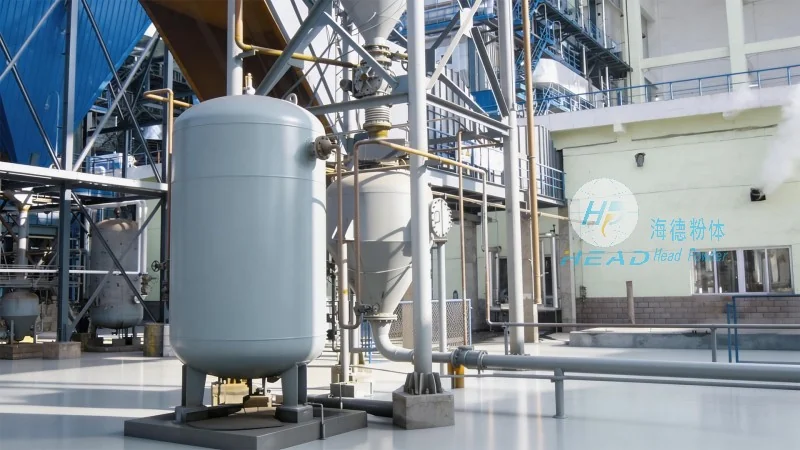
Pipeline Transport
Pipeline transport involves moving the ash through a closed pipeline using pressure or gravity. This method is ideal for long-distance transport and can handle large volumes of material with minimal labor. The pipeline is typically made of corrosion-resistant materials, such as stainless steel or PVC, to prevent material degradation and leakage. For calcium carbide purification ash, which may contain reactive components, the pipeline material must be selected to avoid chemical reactions. The system includes a pump or blower to maintain flow, and the pipeline is designed with appropriate slopes to ensure proper drainage and prevent blockages. Pipeline transport is particularly effective for continuous operations and can be integrated with other processing equipment, such as storage silos and processing units.
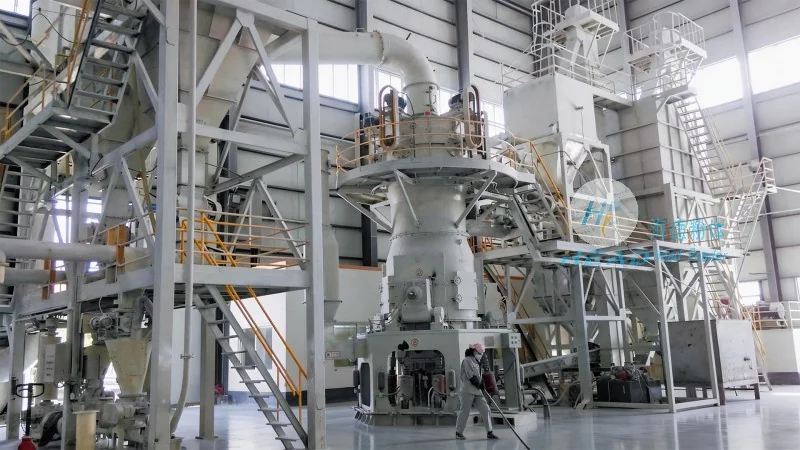
Factors Influencing Transport Method Selection
The selection of a transport method for calcium carbide purification ash is influenced by several key factors. The first is the distance between the source and destination, as different methods are more suitable for short or long distances. For short distances, belt conveyors or manual handling may be sufficient, while for long distances, pneumatic or pipeline systems are more practical. The second factor is the material's physical properties, including particle size, moisture content, and bulk density. Fine or moist ash may require pneumatic conveying to prevent clogging, while larger particles may be better suited for belt conveyors. The third factor is the operational requirements, such as the need for dust control or continuous flow. Pneumatic systems excel in dust control, while belt conveyors offer high capacity and reliability. The cost of the system, including installation, maintenance, and operational costs, is also a critical consideration. Companies must balance these factors to select the most cost-effective and efficient transport method.
Conclusion
In conclusion, the transport of calcium carbide purification ash requires careful consideration of various factors, including material properties, distance, and operational needs. Pneumatic conveying, belt conveyor systems, and pipeline transport are the primary methods used in industrial settings, each with its own advantages and limitations. The choice of method should be based on a thorough analysis of the specific requirements of the operation. By selecting the appropriate transport system, companies can ensure efficient material handling, minimize downtime, and maintain a safe working environment. As a leading provider in the field, Shandong HeadPowder Engineering Co., Ltd. offers specialized solutions tailored to the unique needs of calcium carbide purification ash transport, ensuring reliable and effective operations for industrial clients.