

What is Polyvinyl Alcohol Formaldehyde Material Handling? And What Are Its Design Principles?
Understanding the material handling process involving polyvinyl alcohol formaldehyde (PVOH) is crucial for industries that rely on efficient and reliable transport solutions. This article delves into the core aspects of PVOH material handling, exploring its applications, design principles, and the technical considerations that ensure optimal performance.
PVOH Material Handling: An Overview
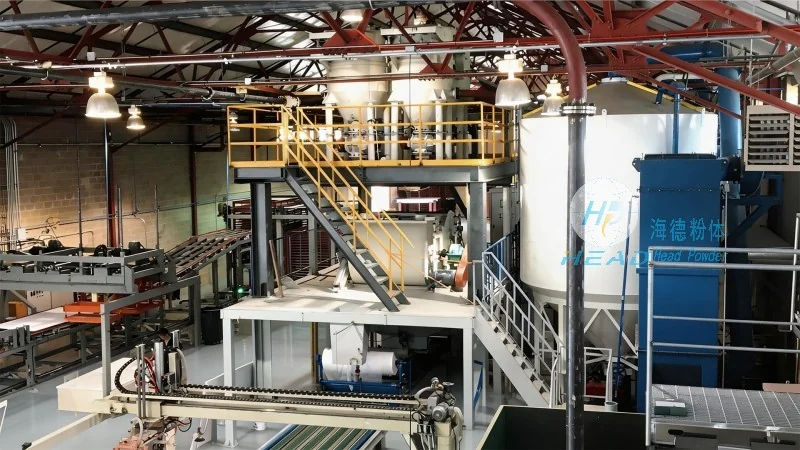
Polyvinyl alcohol formaldehyde, commonly known as PVOH, is a synthetic polymer widely used in various industrial applications due to its unique properties, such as good film-forming ability, water solubility, and chemical resistance. In material handling, PVOH is often employed as a binding agent or a component in composite materials that facilitate the transport of bulk materials. The process of PVOH material handling involves the movement, storage, and transfer of PVOH-based products or materials within industrial settings. This can include operations like bulk handling, packaging, and processing, where PVOH plays a critical role in ensuring the integrity and stability of the materials being transported.
Design Principles for PVOH Material Handling Systems
The design of PVOH material handling systems is governed by several key principles that ensure efficiency, safety, and durability. These principles are tailored to the specific characteristics of PVOH and the requirements of the industrial processes it supports. A fundamental principle is the consideration of PVOH's physical properties, including its viscosity, solubility, and mechanical strength. Engineers must account for these properties when selecting appropriate equipment, such as conveyor systems, storage tanks, and handling tools. For instance, PVOH solutions may require specialized pumps or agitators to maintain consistent viscosity and prevent clogging, which are critical for smooth material flow.
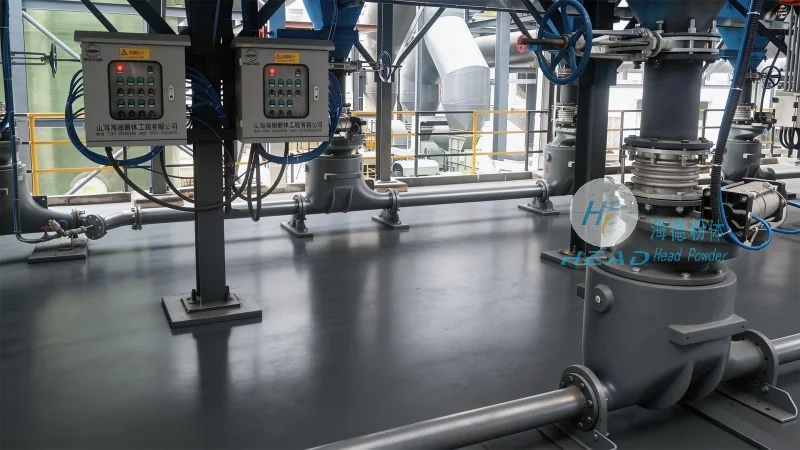
Another essential design principle is the integration of PVOH with other materials or components in composite systems. Many PVOH applications involve blending PVOH with other polymers, fillers, or additives to enhance performance. The design must ensure that these composites can be handled without degradation, and that the handling equipment is compatible with the combined material properties. This may involve selecting materials for conveyor belts, containers, or processing equipment that are resistant to PVOH and its solutions, preventing chemical reactions or degradation that could compromise the handling process.
Key Components and Equipment in PVOH Material Handling
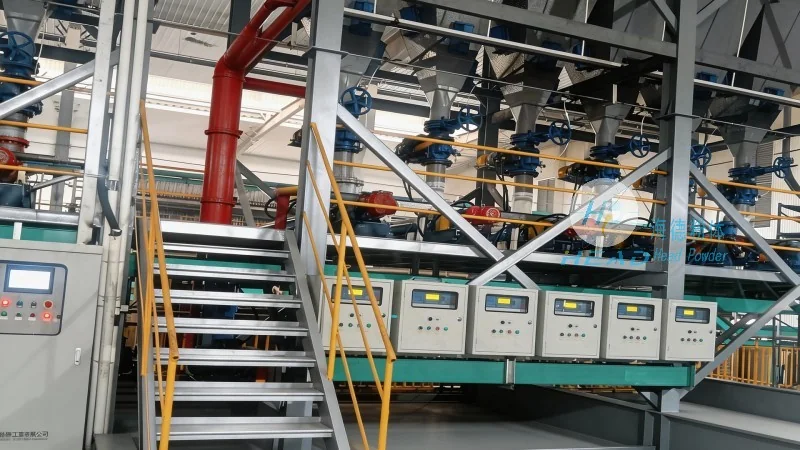
Several components and equipment are commonly used in PVOH material handling operations. These include bulk storage tanks, conveyor systems, pumps, and handling tools. Bulk storage tanks are designed to hold large quantities of PVOH solutions or solid PVOH products, ensuring a steady supply for processing. Conveyor systems, such as belt conveyors or screw conveyors, are used to transport PVOH materials from one location to another within a facility. The choice of conveyor type depends on the form of PVOH (liquid or solid) and the specific handling requirements. For example, screw conveyors are effective for handling PVOH powders or granules, while belt conveyors may be used for liquid PVOH solutions.
Pumps are critical for moving PVOH solutions through pipelines or processing equipment. The selection of pumps, such as centrifugal or positive displacement pumps, depends on the viscosity and flow rate of the PVOH solution. Proper pump selection ensures efficient material transport while minimizing energy consumption and wear on equipment. Handling tools, including shovels, scoops, or specialized containers, are used for manual or semi-automated handling of PVOH materials. These tools must be designed to prevent contamination and ensure safe handling, as PVOH solutions can be slippery or have other handling hazards.
Ensuring Efficiency and Safety in PVOH Material Handling
Efficiency and safety are paramount in PVOH material handling operations. Efficiency is achieved through the optimization of equipment design, process flow, and material handling techniques. This includes minimizing downtime, reducing energy consumption, and maximizing throughput. Safety considerations are equally important, as PVOH solutions can pose health and environmental risks if not handled properly. Proper ventilation, protective equipment, and spill containment measures are essential to mitigate these risks. Additionally, regular maintenance of handling equipment is crucial to prevent breakdowns and ensure consistent performance.
Conclusion
PVOH material handling is a specialized field that requires a deep understanding of the polymer's properties and the design principles that govern efficient and safe material transport. By adhering to these principles and utilizing appropriate equipment, industries can effectively manage PVOH materials, ensuring optimal performance and reliability in their operations. The expertise of companies like Shandong HeadPowder Engineering Co., Ltd. in material handling solutions further enhances the ability of industries to leverage PVOH's benefits while maintaining operational excellence.