

Inert Gas Circulation Material Handling System: Exploring Its Function and Design Principles
For industries dealing with hazardous or sensitive materials, the use of inert gas circulation material handling systems has become increasingly vital. These systems are engineered to maintain an inert atmosphere during material transport, ensuring safety and product integrity. In this article, we delve into what these systems are and the underlying design principles that make them effective.
Understanding Inert Gas Circulation Material Handling Systems
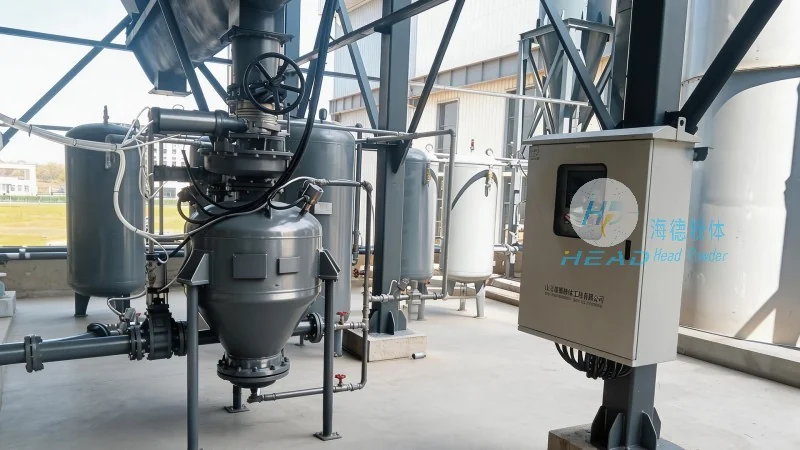
An inert gas circulation material handling system is a specialized setup designed to transport bulk materials while continuously circulating an inert gas, such as nitrogen or argon, to displace oxygen and other reactive gases. The primary goal is to create a controlled environment that prevents oxidation, combustion, or other chemical reactions that could compromise the material's quality or pose safety risks. This technology is widely adopted in sectors like pharmaceuticals, food processing, and chemical manufacturing, where maintaining product purity and safety is paramount.
Key Components and Their Roles
The effectiveness of an inert gas circulation system relies on several critical components, each playing a specific role in the overall operation. The main components typically include:
- Inert Gas Source: This is the primary source of the inert gas, often a nitrogen generator or a gas cylinder, which supplies the gas needed to maintain the inert atmosphere.
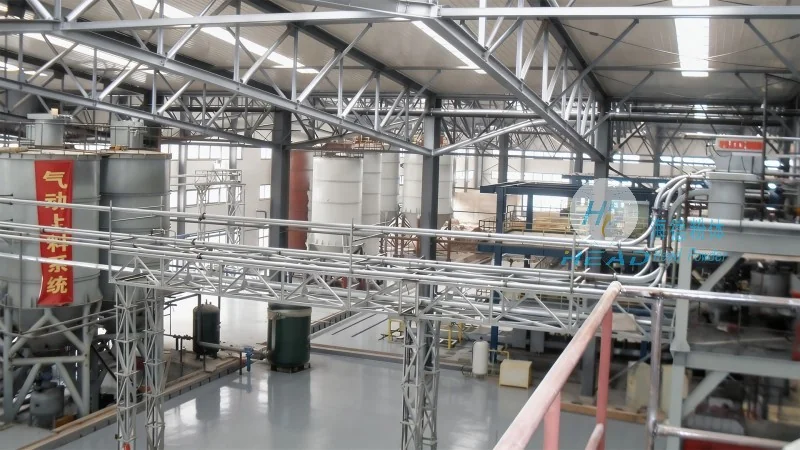
- Purge and Circulation System: This component is responsible for distributing the inert gas throughout the material handling equipment, ensuring uniform gas flow and preventing the accumulation of oxygen or other contaminants.
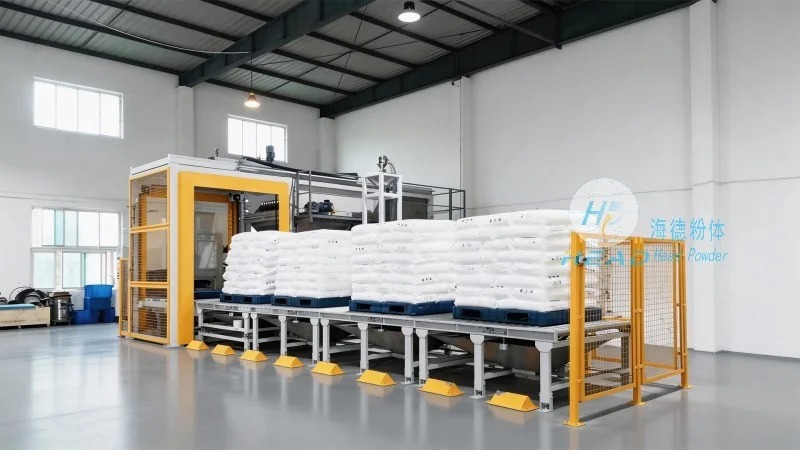
- Material Handling Equipment: This includes conveyors, hoppers, and storage vessels that are designed to handle bulk materials while being integrated with the gas circulation system.
- Gas Monitoring and Control Systems: These systems continuously monitor the gas composition and pressure, ensuring that the inert atmosphere is maintained within specified parameters. Sensors and controllers adjust the gas flow as needed to maintain optimal conditions.
Design Principles Behind the Systems
The design of inert gas circulation material handling systems follows several key principles to ensure efficiency and safety. First, the system must maintain a consistent inert gas flow to prevent oxygen ingress, which could lead to oxidation or fire hazards. This requires precise control over the gas pressure and flow rate. Second, the system must be leak-tight to avoid any contamination from external air. This is achieved through the use of high-quality seals and gaskets in all connections and equipment. Third, the system should be scalable to accommodate different material volumes and processing requirements. Engineers design these systems to be modular, allowing for easy expansion or modification as production needs change.
Benefits of Implementing Inert Gas Circulation Systems
Adopting inert gas circulation material handling systems offers numerous advantages for industrial operations. One of the most significant benefits is enhanced product safety and quality. By eliminating oxygen and other reactive gases, the system prevents material degradation, spoilage, or contamination, which is crucial for products like pharmaceuticals, food, and sensitive chemicals. Additionally, these systems reduce the risk of fire or explosion in environments where flammable materials are handled, thereby improving workplace safety. From an operational perspective, the consistent inert atmosphere can also improve the efficiency of material processing, as it minimizes downtime caused by material quality issues or safety incidents. Furthermore, the controlled environment can extend the lifespan of equipment by preventing corrosion or wear caused by reactive gases.
Applications in Various Industries
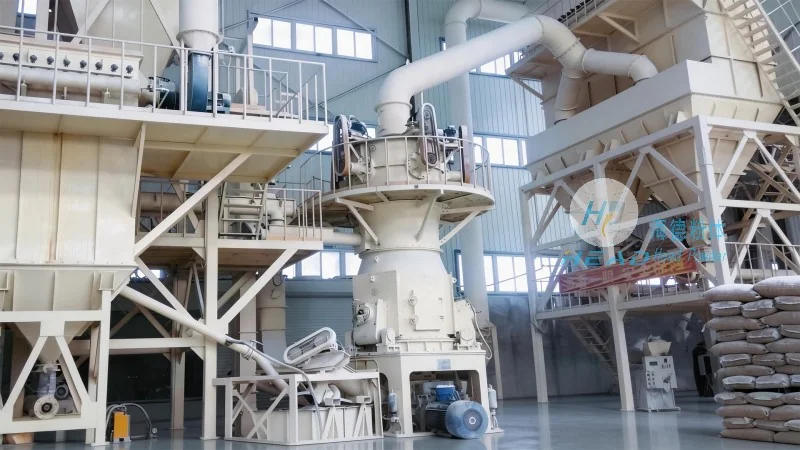
Inert gas circulation material handling systems are versatile and find applications across multiple industries. In the pharmaceutical industry, these systems are used to handle active pharmaceutical ingredients (APIs) and finished drug products, ensuring they remain stable and free from contamination. In food processing, they are employed to transport and store food products, maintaining freshness and preventing spoilage. The chemical industry also benefits from these systems when handling reactive chemicals or those that are sensitive to air exposure. Additionally, in the electronics manufacturing sector, inert gas circulation is used to transport and process materials in cleanroom environments, where contamination control is critical.
Conclusion
Inert gas circulation material handling systems represent a sophisticated solution for industries requiring safe and efficient material transport in controlled environments. By understanding the design principles and components of these systems, businesses can make informed decisions about implementing such technology to enhance product quality, ensure workplace safety, and improve operational efficiency. As industries continue to prioritize safety and product integrity, the adoption of inert gas circulation systems is likely to grow, making them an essential part of modern material handling solutions.