

What is a Ton Bag Stainless Steel Material Handling System? And What Are Its Design Principles?
For industrial operations dealing with bulk materials, efficient and reliable material handling systems are crucial for maintaining productivity and safety. Among the various solutions available, ton bag stainless steel material handling systems have emerged as a robust and versatile option, particularly in environments where hygiene, durability, and consistent material flow are paramount. This article explores the concept of ton bag stainless steel material handling systems, delving into their design principles and the key factors that make them suitable for diverse industrial applications.
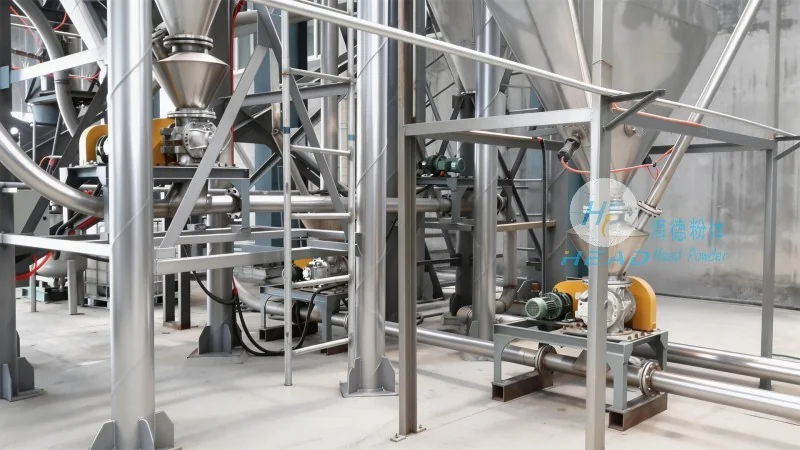
Understanding Ton Bag Stainless Steel Material Handling Systems
A ton bag, also known as a super sack or bulk bag, is a flexible container designed to hold large quantities of bulk materials, typically ranging from 500 kg to several tons. These bags are often made from durable fabrics like polypropylene or polyester, and when combined with stainless steel components for the handling and processing equipment, they form a comprehensive material handling system. The stainless steel elements are integral to ensuring the system’s longevity, resistance to corrosion, and compliance with stringent hygiene standards, especially in industries such as food processing, pharmaceuticals, and chemical manufacturing.
Key Design Principles of Stainless Steel Material Handling Systems
The design of a ton bag stainless steel material handling system is centered on several critical principles that ensure optimal performance and safety. First, the system must prioritize material containment and transfer efficiency. Stainless steel components, including hoppers, chutes, and conveyor belts, are engineered to minimize material spillage and ensure smooth flow from the ton bag to downstream processing equipment. This is achieved through precise alignment of the bag’s discharge spout with the receiving hopper and the use of gravity-fed or mechanical discharge mechanisms.
Second, durability and corrosion resistance are paramount. Stainless steel, particularly grades like 304 or 316, is chosen for its ability to withstand harsh chemical environments and resist rust, even in high-moisture or acidic conditions. This is especially important in industries where the materials being handled are corrosive or where the system is exposed to cleaning agents and sanitizing processes. The robust construction of stainless steel also ensures that the system can endure heavy loads and frequent use without compromising structural integrity.
Third, hygiene and cleanliness are critical design considerations. In sectors like food and pharmaceuticals, where product purity is non-negotiable, the entire system must be easy to clean and maintain. Stainless steel surfaces are non-porous and smooth, making them resistant to bacterial growth and facilitating thorough sanitation. Additionally, the design often incorporates features like CIP (Clean-in-Place) compatibility, allowing for automated cleaning without disassembling the system. This ensures that the material handling process does not introduce contaminants into the product stream.
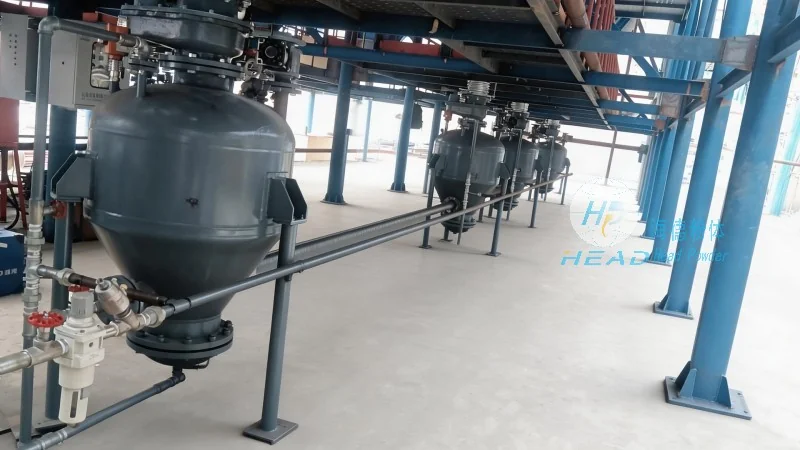
Fourth, safety and operational reliability are integrated into the design. The system is engineered to prevent accidents such as material blockages or equipment failure, which can lead to downtime or product loss. Features like overload protection, emergency stop buttons, and visual indicators for system status enhance safety. Moreover, the use of stainless steel reduces the risk of fire or electrical hazards, as it is non-conductive and resistant to heat.
Components and Functionality of the System
The ton bag stainless steel material handling system typically consists of several interconnected components, each playing a vital role in the material flow process. The primary component is the ton bag itself, which is filled with bulk material at the source and then transported to the processing facility. Upon arrival, the bag is placed on a stainless steel frame or pallet, which supports it during the discharge process.
The discharge mechanism is a critical part of the system, often featuring a stainless steel spout or valve that allows controlled release of the material. This can be manual, such as a manual valve, or automated, using pneumatic or hydraulic systems. The material then flows through a stainless steel hopper or chute, which funnels it into a conveyor system or processing equipment. The hopper is designed with smooth, sloped surfaces to prevent material buildup and ensure consistent flow.
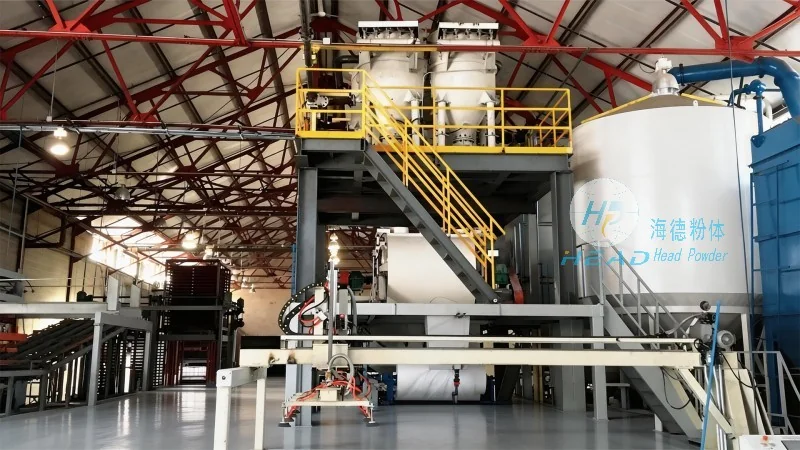
Conveyor systems, whether belt or screw conveyors, are often made from stainless steel to match the material handling components. These conveyors transport the material from the hopper to the next stage of processing, such as mixing, packaging, or further refinement. The use of stainless steel in the conveyor components ensures that the material remains free from contamination and that the system can handle a wide range of material types, from powders to granules.
Additional components may include feeding hoppers, which regulate the flow of material from the conveyor to downstream equipment, and dust collection systems, which capture any airborne particles to maintain air quality and prevent product loss. The entire system is designed to be modular, allowing for easy integration with existing production lines and scalability to accommodate increased material volumes.
Applications and Benefits
Ton bag stainless steel material handling systems are widely used across various industries due to their adaptability and robust performance. In the food industry, they are essential for handling ingredients like flour, sugar, and spices, where hygiene and product purity are critical. The stainless steel construction ensures that the materials remain free from contamination, and the system’s design allows for easy cleaning and sanitation, meeting regulatory standards such as FDA and EU food safety guidelines.
In the pharmaceutical industry, the same principles apply, as the systems are used to handle active pharmaceutical ingredients (APIs) and excipients. The stainless steel components prevent cross-contamination and ensure that the materials are handled in a sterile environment, which is vital for maintaining product efficacy and safety.