

What is Barium Carbonate Material Handling? What Are the Design Principles?
Barium carbonate material handling systems are critical components in industrial processes that require the efficient transport and processing of this specific chemical compound. Understanding the design principles behind such systems is essential for optimizing performance, ensuring safety, and maintaining operational efficiency in facilities that handle barium carbonate. This article explores the key aspects of barium carbonate material handling, focusing on the design considerations and technical elements that contribute to effective material transport.
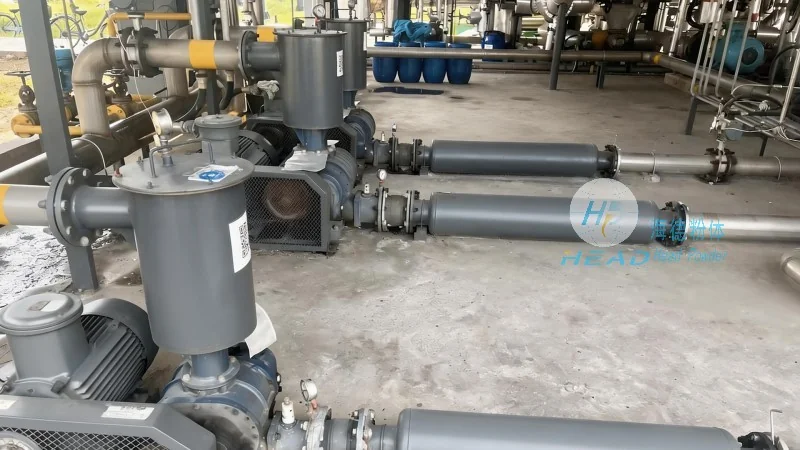
Introduction to Barium Carbonate Material Handling
Barium carbonate, a white crystalline powder with the chemical formula BaCO₃, is widely used in various industries including ceramics, glass manufacturing, and as a precursor in the production of other barium compounds. Its handling requires specialized equipment due to its chemical properties and the need for precise control during transport. Material handling systems for barium carbonate must address challenges such as dust generation, material flow consistency, and compliance with safety regulations. The design of these systems is tailored to the unique characteristics of barium carbonate, ensuring that it is moved safely and efficiently from storage to processing units.
About Shandong HeadPowder Engineering Co., Ltd.
Shandong HeadPowder Engineering Co., Ltd., commonly known as HeadPowder, is a leading provider of engineering solutions for material handling and processing equipment. With a strong focus on innovation and customer-centric design, HeadPowder specializes in developing customized systems for handling various chemical materials, including barium carbonate. The company’s headquarters is located in Shandong, China, where it leverages local expertise and resources to deliver high-quality, reliable solutions for industrial clients worldwide. HeadPowder’s team of engineers and technicians brings extensive experience in chemical processing and material handling, enabling them to design systems that meet the specific needs of each project.
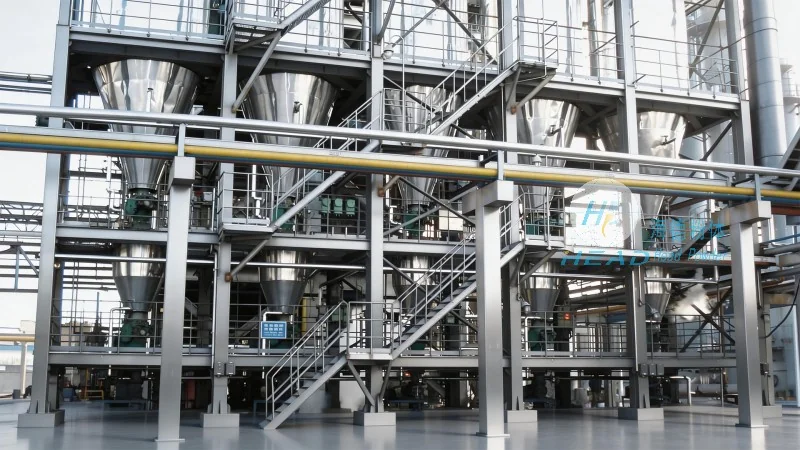
Key Design Principles for Barium Carbonate Material Handling
The design of barium carbonate material handling systems is guided by several critical principles aimed at optimizing performance and safety. First, the system must ensure minimal dust generation and containment to prevent exposure to workers and environmental contamination. Barium carbonate is a fine powder that can become airborne easily, posing health risks if not properly managed. Therefore, dust suppression and collection systems are integral components of the design. Second, the system must maintain consistent material flow to avoid blockages or uneven distribution, which can lead to inefficiencies or equipment damage. This is achieved through the use of appropriate conveyor types, such as screw conveyors or pneumatic systems, and proper hopper design to control material discharge. Third, the system must comply with relevant safety and environmental regulations. Barium carbonate is classified as a hazardous material in many regions, and handling systems must adhere to local standards for ventilation, containment, and emergency response. Additionally, the design must consider the chemical compatibility of materials used in the system, such as corrosion-resistant components to prevent degradation from the barium carbonate.
Components of a Barium Carbonate Material Handling System
A typical barium carbonate material handling system consists of several key components that work together to ensure efficient transport. The primary components include hoppers for storage and feeding, conveyors for transporting the material, and control systems for monitoring and regulating the process. Hoppers are designed with smooth, sloped surfaces to facilitate material flow and prevent clogging. They are often equipped with level sensors to detect the material level and trigger feeding actions as needed. Conveyors, such as screw conveyors or belt conveyors, are selected based on the material’s properties and the required transport distance. Screw conveyors are particularly effective for handling fine powders like barium carbonate, as they provide consistent flow and minimal dust generation. Pneumatic systems, or air conveyor systems, are another option for transporting barium carbonate, especially over longer distances or in applications where dust containment is critical. These systems use compressed air to move the material through a sealed pipeline, reducing the risk of exposure. Control systems, including PLC (Programmable Logic Controller) units, are integrated into the design to monitor key parameters such as flow rate, pressure, and temperature. These systems allow for real-time adjustments to maintain optimal performance and prevent issues such as overloading or underflow.
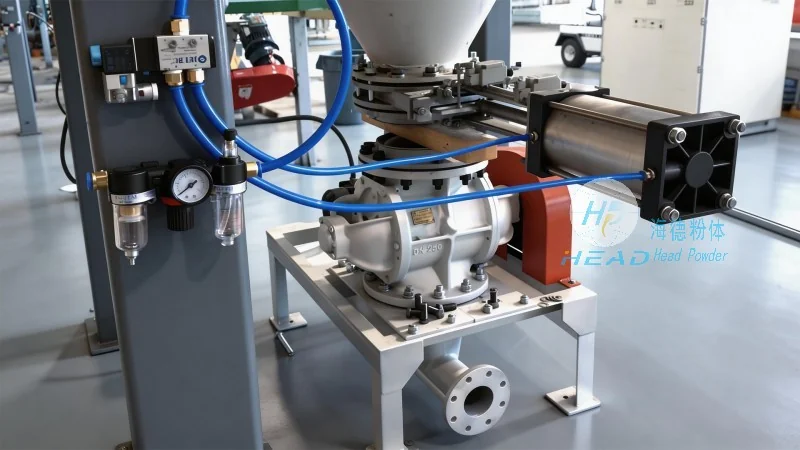
Advantages of Properly Designed Barium Carbonate Material Handling Systems
Implementing a well-designed barium carbonate material handling system offers several advantages for industrial operations. First, it enhances safety by minimizing exposure to the material and reducing the risk of dust-related health issues. Proper containment and ventilation systems protect workers from inhaling barium carbonate particles, which can cause respiratory problems if inhaled in large quantities. Second, it improves operational efficiency by ensuring consistent material flow and reducing downtime due to blockages or equipment failures. The use of reliable conveyors and control systems helps maintain a steady supply of barium carbonate to processing units, preventing production delays. Third, it reduces environmental impact by preventing material spills and dust emissions. The sealed and contained design of modern systems minimizes the release of barium carbonate into the environment, helping facilities comply with environmental regulations. Additionally, properly designed systems can extend the lifespan of equipment by reducing wear and tear from improper handling, leading to lower maintenance costs over time.
Conclusion
Barium carbonate material handling systems are essential for the efficient and safe processing of this important chemical compound. The design principles outlined in this article, including dust control, consistent flow, and compliance with safety regulations, are critical for developing effective systems. Companies like Shandong HeadPowder Engineering Co., Ltd. play a vital role in providing customized solutions that meet the unique needs of industrial clients. By investing in well-designed material handling systems, facilities can enhance safety, improve efficiency, and reduce environmental impact, ultimately contributing to the success of their operations. As the demand for barium carbonate continues to grow, the importance of reliable material handling systems will only increase, making it a key area of focus for industrial engineering and process optimization.