

What is a Lime Powder Conveyor? Understanding Its Design Principles
For industrial applications that require the efficient handling and transportation of lime powder, understanding the technology behind specialized equipment like the lime powder conveyor is crucial. This article delves into the fundamental aspects of lime powder conveyors, exploring their design principles and operational mechanisms to provide a comprehensive overview for professionals in the field.
Introduction to Lime Powder Conveyors
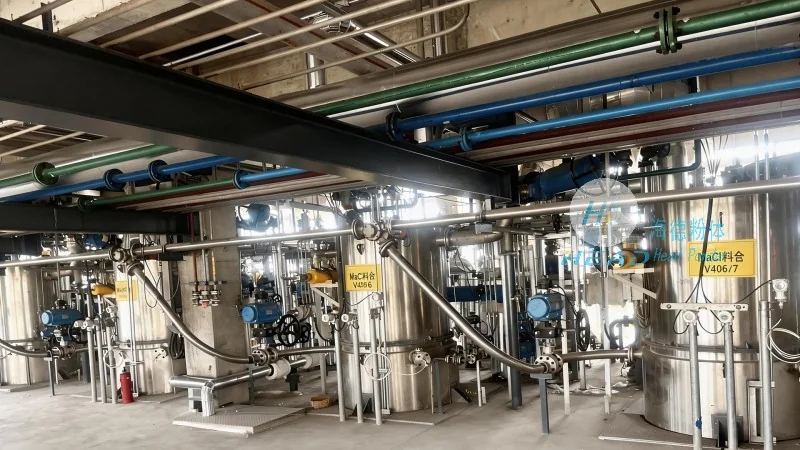
Lime powder, a versatile material widely used in industries such as construction, agriculture, and environmental treatment, often necessitates specialized handling equipment due to its fine particle size and potential for dust generation. A lime powder conveyor is a type of bulk material handling system designed to transport lime powder from one location to another within a processing facility or between different stages of production. These conveyors are engineered to address the unique challenges posed by lime powder, including its tendency to clump, its abrasive nature, and the need for dust control measures.
Key Design Principles of Lime Powder Conveyors
The design of a lime powder conveyor is guided by several critical principles to ensure optimal performance, safety, and efficiency. One of the primary considerations is the material of construction, as lime powder can be highly abrasive and corrosive. Conveyors are typically made from materials like stainless steel, corrosion-resistant alloys, or high-quality plastics to withstand the wear and tear caused by the material. Additionally, the system incorporates features to prevent material buildup and blockages, such as smooth internal surfaces and self-cleaning mechanisms, which are essential for maintaining consistent flow rates and preventing downtime.
Another crucial design principle is the control of dust and airborne particles. Lime powder is a fine, powdery substance that can easily become airborne, posing health risks and environmental concerns. Therefore, conveyors are equipped with dust collection systems, sealed enclosures, and proper ventilation to minimize dust emissions. The design also emphasizes the use of low-friction components and appropriate belt or pipe materials to reduce the risk of material sticking to the conveyor surfaces, which can lead to blockages and operational issues.
Operational Mechanisms and Components
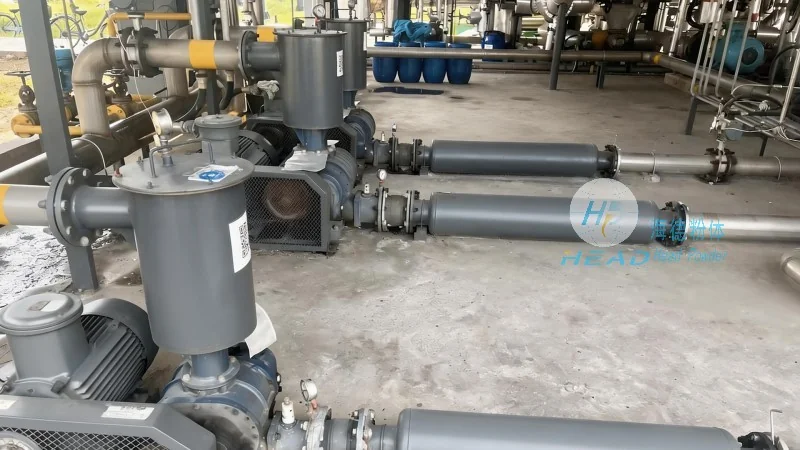
A typical lime powder conveyor consists of several key components that work in tandem to facilitate the transport of the material. The primary components include a feeding mechanism, a conveying medium (such as a belt, screw, or pneumatic system), a drive system, and a discharge mechanism. The feeding mechanism, often a hopper or feeder, ensures a consistent and controlled flow of lime powder into the conveyor system, preventing overloading and maintaining steady operation.
The conveying medium varies depending on the specific design of the conveyor. For example, a belt conveyor uses a continuous belt that moves the material along a path, while a screw conveyor employs a rotating screw to push the powder forward. Pneumatic conveyors, on the other hand, use air pressure to transport the material through a pipeline. Each of these systems has its advantages and is chosen based on factors such as the distance to be covered, the volume of material to be transported, and the need for dust control.
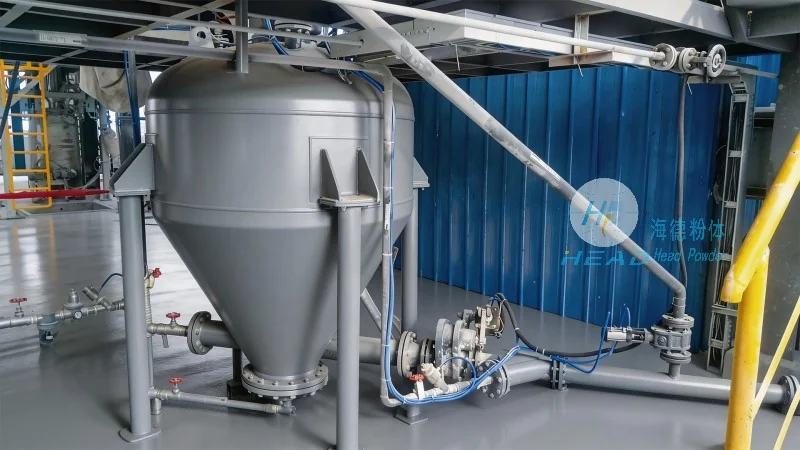
The drive system provides the necessary power to move the conveying medium, ensuring consistent speed and tension. This component is critical for maintaining the integrity of the material and preventing slippage or breakage of the conveyor belt. The discharge mechanism, located at the end of the conveyor, allows the lime powder to be released into the next processing stage or storage area. Proper design of the discharge system is essential to avoid material spillage and ensure a smooth transition to the subsequent process.
Applications and Benefits
Lime powder conveyors are widely used in various industrial applications where the efficient handling of lime powder is essential. In the construction industry, these conveyors are used to transport lime for mortar production, plastering, and other building applications. In the agricultural sector, they help in the distribution of lime for soil conditioning and pH adjustment. Additionally, in environmental treatment facilities, lime powder is used for water treatment and waste management, and conveyors play a vital role in moving the material to treatment units.
The benefits of using a well-designed lime powder conveyor include improved efficiency in material handling, reduced labor costs, and enhanced safety by minimizing manual handling of the material. The automated nature of these systems also reduces the risk of dust exposure for workers, contributing to a safer working environment. Furthermore, the consistent flow rates and controlled discharge help maintain the quality of the material, ensuring that it meets the required specifications for its intended use.