

What is a Pulse Jet Dust Collector Material Conveying Line? What Are Its Design Principles?
For industrial applications that require efficient material handling and air purification, the pulse jet dust collector material conveying line is a critical piece of equipment. This system combines the functionality of a dust collection device with a material transport mechanism, ensuring that particulate matter is effectively removed from the air while simultaneously conveying bulk materials through a production process. Understanding the components and design principles of this equipment is essential for optimizing operational efficiency and maintaining air quality standards in various industrial settings.
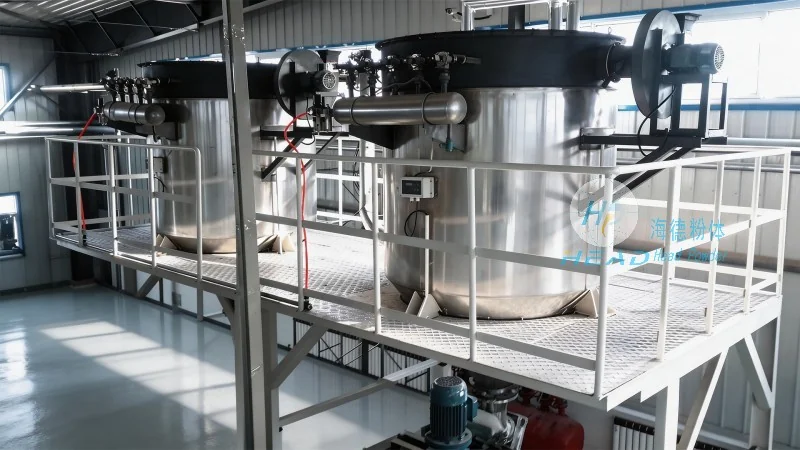
Introduction to the Pulse Jet Dust Collector Material Conveying Line
The pulse jet dust collector material conveying line, often referred to as a dust collector with integrated material transport, is a specialized system designed to handle both air filtration and material movement in industrial environments. It is commonly used in industries such as mining, cement production, and chemical processing, where large volumes of dust and bulk materials are generated during operations. The primary function of this line is to capture airborne particles and simultaneously transport raw or processed materials through a pipeline system. This dual functionality makes it an efficient solution for applications where both air quality control and material handling are critical.
Key Components of the Pulse Jet Dust Collector Material Conveying Line
The pulse jet dust collector material conveying line consists of several key components that work in tandem to achieve its operational goals. These components include the dust collector housing, filter bags or cartridges, a pulse jet valve system, a material hopper or feeder, a conveying pipeline, and a control unit. The dust collector housing encloses the filter elements and provides a sealed environment to prevent dust leakage. Inside the housing, filter bags or cartridges are arranged to trap particulate matter from the air stream. The pulse jet valve system is responsible for periodically cleaning the filter elements by injecting high-pressure air pulses, which dislodge accumulated dust and allow it to fall into a collection hopper. The material hopper or feeder is designed to hold the bulk material and feed it into the conveying pipeline. The conveying pipeline transports the material from the hopper to the processing equipment or storage area. The control unit monitors the system's performance, including pressure differentials across the filters and the frequency of pulse cleaning, to ensure optimal operation.
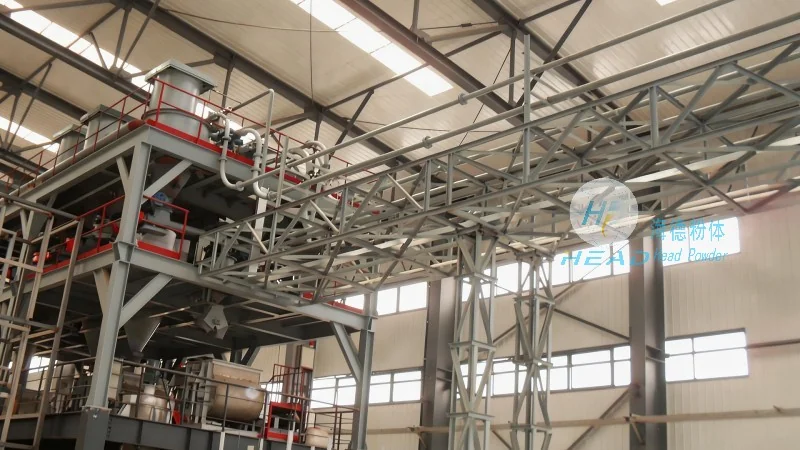
Design Principles of the Pulse Jet Dust Collector Material Conveying Line
The design of the pulse jet dust collector material conveying line is based on several fundamental principles that ensure its effectiveness and reliability. One of the core design principles is the use of pulse jet technology for filter cleaning. This method involves injecting short bursts of high-pressure air into the filter bags or cartridges, creating a shock wave that dislodges dust particles from the filter media. The dust then falls into a hopper and is removed from the system. The frequency and duration of these pulses are carefully controlled to prevent excessive pressure drops and to maintain the efficiency of the filter. Another important design principle is the integration of material handling with dust collection. By combining the two functions into a single system, the overall footprint of the equipment is reduced, and the number of components is minimized, leading to lower installation and maintenance costs. The conveying pipeline is designed to handle the specific characteristics of the material being transported, such as particle size, moisture content, and flow rate. The material hopper and feeder are engineered to provide a consistent flow of material to the pipeline, preventing blockages and ensuring smooth operation. The control system is designed to monitor key parameters such as pressure differentials, air flow rates, and pulse frequency, allowing for real-time adjustments to maintain optimal performance.
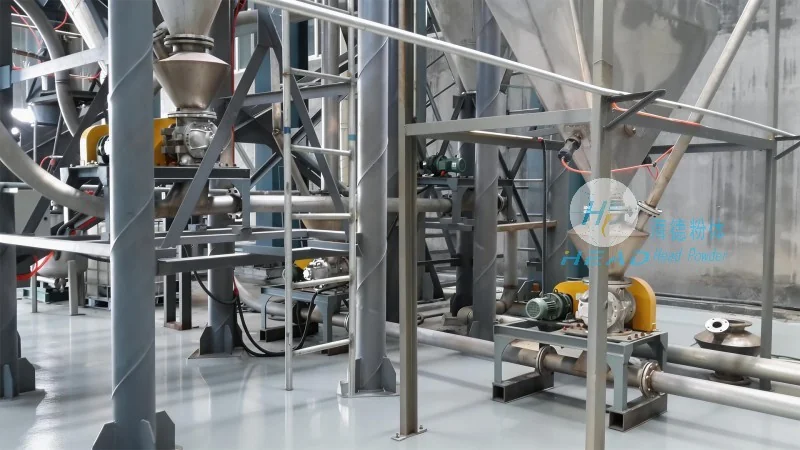
Operational Benefits and Applications
The pulse jet dust collector material conveying line offers several operational benefits that make it a preferred choice for industrial applications. One of the primary benefits is its high efficiency in capturing particulate matter. The pulse jet cleaning method ensures that the filter elements are regularly cleaned, maintaining a low pressure drop across the system and maximizing the dust collection efficiency. This results in cleaner air emissions and compliance with environmental regulations. Another benefit is the ability to handle large volumes of material. The conveying pipeline can transport significant quantities of bulk material, reducing the need for manual handling and improving overall productivity. The system also provides a compact and space-saving design, which is advantageous in facilities with limited floor space. The pulse jet dust collector material conveying line is widely used in various industries, including cement production, where it is used to transport raw materials and collect dust from the grinding process. In mining operations, it is used to convey ore and collect dust from crushing and screening equipment. In chemical processing, it is used to transport powders and collect dust from reactors and mixers. The versatility of this system makes it suitable for a wide range of applications where both air purification and material handling are required.
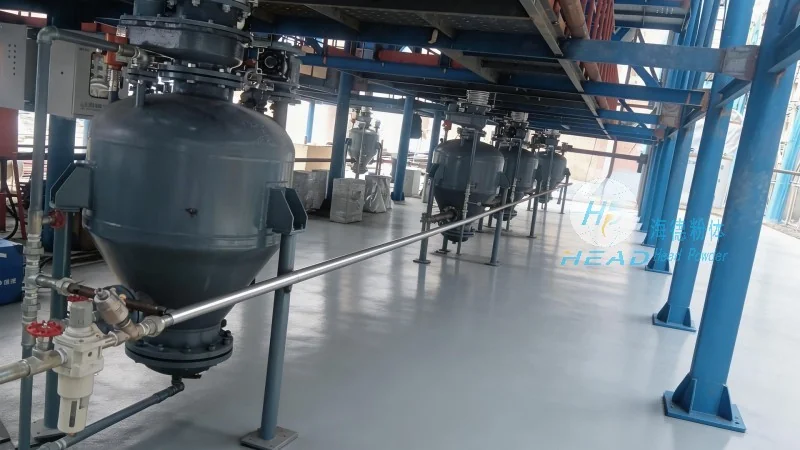
Maintenance and Longevity of the System
Maintaining the pulse jet dust collector material conveying line is crucial for ensuring its long-term performance and reliability. Regular maintenance procedures should be followed to keep the system operating at optimal levels. The filter elements should be inspected and replaced as needed to prevent clogging and maintain dust collection efficiency. The pulse jet valve system should be checked for proper operation, ensuring that the air pulses are delivered at the correct frequency and pressure. The conveying pipeline should be inspected for blockages or damage, and the material hopper and feeder should be cleaned to prevent material buildup. The control system should be calibrated regularly to ensure accurate monitoring of key parameters. By following a proper maintenance schedule, the system can achieve a long service life, reducing the need for frequent replacements and minimizing downtime. The manufacturer, Shandong HeadPowder Engineering Co., Ltd., provides comprehensive maintenance services and support to help customers keep their equipment in good working condition. Their expertise in designing and manufacturing dust collection systems ensures that customers receive high-quality products that meet their specific needs.
Conclusion
The pulse jet dust collector material conveying line is a sophisticated and efficient system that combines air purification and material handling capabilities. Its design principles, including the use of pulse jet cleaning technology and integrated material transport, make it an ideal solution for industrial applications where both air quality control and material movement are critical. The system offers several operational benefits, such as high dust collection efficiency, large material handling capacity, and compact design. With proper maintenance and support from manufacturers like Shandong HeadPowder Engineering Co., Ltd., this equipment can provide reliable performance over an extended period. As industrial processes continue to evolve, the pulse jet dust collector material conveying line remains a valuable asset for maintaining air quality and optimizing material handling in various industries.