

What is a Small Bag Dust-Free Feeding Station Material Conveying Line? What is the Design Principle?
When it comes to industrial material handling, especially in sectors like pharmaceuticals, food processing, or high-purity manufacturing, maintaining a clean and controlled environment is paramount. This is where the small bag dust-free feeding station material conveying line plays a crucial role. As a specialized solution for handling bulk materials from small bags, this system is designed to minimize dust generation, ensure material purity, and enhance operational efficiency. Understanding its functionality and design principles is essential for industries that demand stringent quality control and compliance with regulatory standards.
Introduction to Small Bag Dust-Free Feeding Station Material Conveying Line
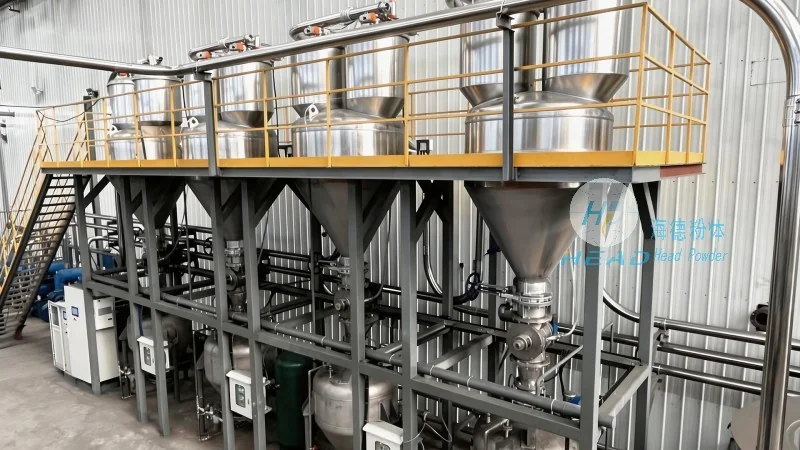
A small bag dust-free feeding station material conveying line is an integrated system engineered to receive, open, and transfer bulk materials from small bags into a processing or storage system while maintaining a dust-free environment. The system typically includes components such as bag openers, dust collection hoods, material conveyors, and storage silos. Its primary objective is to handle powders or granules from small bags without exposing the material to ambient air, thereby preventing contamination and ensuring the material remains in its original state. This technology is particularly valuable in industries where product purity is critical, such as pharmaceuticals, fine chemicals, and food production.
HeadPowder: Your Trusted Partner in Material Handling Solutions
At Shandong HeadPowder Engineering Co., Ltd., we specialize in providing advanced material handling solutions tailored to meet the unique needs of various industries. With our headquarters located in Shandong, China, our team of experts combines years of experience and cutting-edge technology to design and manufacture high-quality small bag dust-free feeding stations. Our commitment to quality, reliability, and customer satisfaction has made us a leading name in the material handling sector. We understand that each industry has distinct requirements, and our solutions are designed to address these challenges effectively. Whether you need a system for pharmaceuticals, food, or other high-purity applications, HeadPowder is dedicated to delivering innovative and efficient material handling solutions.
Design Principles of the Small Bag Dust-Free Feeding Station Material Conveying Line
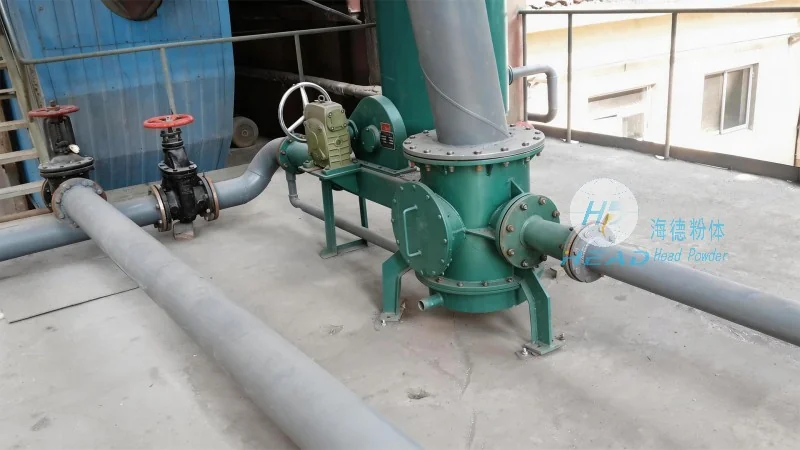
The design of a small bag dust-free feeding station material conveying line is based on several key principles aimed at ensuring optimal performance, safety, and material integrity. First, the system is engineered to create a sealed environment that isolates the material from the external air, minimizing dust generation and preventing contamination. This is achieved through the use of dust collection hoods and air filtration systems that capture any airborne particles during the bag opening and material transfer process. Second, the system incorporates advanced bag opening mechanisms that safely and efficiently open small bags without compromising the material's purity. These mechanisms may include pneumatic or mechanical openers that are designed to handle various bag types and sizes. Third, the material conveying section is designed to transport the material from the bag to the storage silo or processing equipment with minimal loss and maximum efficiency. This may involve the use of screw conveyors, pneumatic conveyors, or other specialized equipment depending on the material's properties and the application requirements. Fourth, the system is equipped with monitoring and control features that allow operators to track the material flow, detect any issues, and adjust the process parameters as needed. These features enhance operational safety and ensure consistent performance. Finally, the design emphasizes ease of maintenance and cleaning, which is crucial for maintaining a clean and hygienic environment in industries where product purity is non-negotiable.
Key Components and Their Functions
The small bag dust-free feeding station material conveying line consists of several key components, each playing a vital role in the overall system. The first component is the bag opening station, which is responsible for safely opening the small bags and releasing the material inside. This station typically includes a dust collection hood that captures any dust generated during the opening process, preventing it from entering the environment. The second component is the material transfer system, which may include a screw conveyor or a pneumatic conveyor that transports the material from the bag to the storage silo. This system is designed to handle the material efficiently and with minimal spillage. The third component is the storage silo, which provides a controlled environment for storing the material before it is used in the production process. The silo is equipped with a discharge system that allows the material to be fed into the processing equipment as needed. The fourth component is the dust collection system, which includes filters and fans that capture and remove any airborne particles from the system. This system ensures that the environment remains clean and safe for operators. The fifth component is the control system, which monitors and controls all aspects of the material handling process. This system allows operators to adjust the process parameters, such as the speed of the conveyor or the pressure of the air system, to optimize performance. The sixth component is the cleaning system, which is designed to clean the system after each use to prevent cross-contamination and maintain a hygienic environment.
Benefits of Using a Small Bag Dust-Free Feeding Station Material Conveying Line
Implementing a small bag dust-free feeding station material conveying line offers numerous benefits for industries that handle bulk materials. First, it significantly reduces dust generation, which not only improves air quality but also prevents product contamination. This is particularly important in industries where product purity is critical, such as pharmaceuticals and food processing. Second, the system enhances material handling efficiency by automating the process of receiving and transferring materials from small bags. This reduces labor costs and increases production throughput. Third, the sealed environment of the system ensures that the material remains in its original state, preserving its quality and properties. This is crucial for materials that are sensitive to moisture or air exposure. Fourth, the system improves safety by minimizing the risk of dust explosions and other hazards associated with handling powders. The sealed design and dust collection systems help prevent the accumulation of dust, reducing the risk of fire or explosion. Fifth, the system is designed for easy maintenance and cleaning, which reduces downtime and ensures consistent performance. This is important for maintaining productivity and meeting regulatory requirements. Finally, the system can be customized to meet the specific needs of different industries, providing a flexible and adaptable solution for various applications.
Application Examples and Industry Use Cases
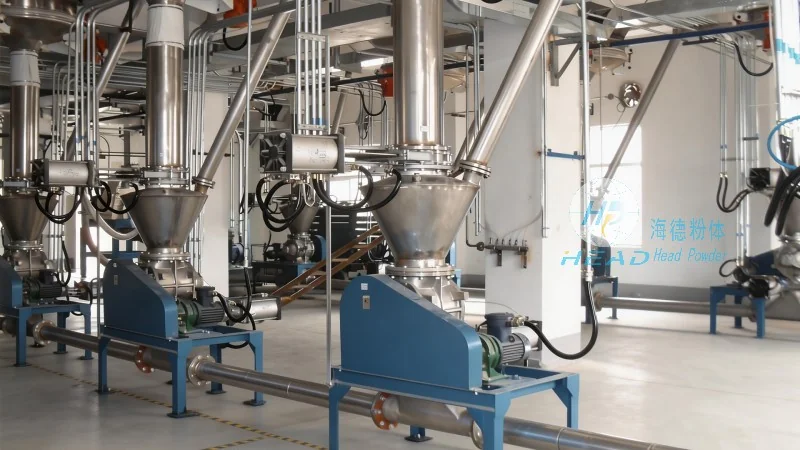
The small bag dust-free feeding station material conveying line is widely used in various industries due to its versatility and effectiveness. In the pharmaceutical industry, this system is used to handle active pharmaceutical ingredients (APIs) and other raw materials, ensuring that they remain pure and free from contamination. The sealed environment and dust collection systems help maintain the high standards required for pharmaceutical production. In the food industry, the system is used to handle ingredients such as flour, sugar, and spices, ensuring that they are handled in a hygienic and safe manner. The system's ability to minimize dust and prevent contamination is crucial for maintaining food safety standards. In the chemical industry, the system is used to handle various chemicals, including powders and granules, ensuring that they are handled safely and efficiently. The system's design helps prevent the release of hazardous materials into the environment, reducing the risk of accidents and environmental damage. In the cosmetics industry, the system is used to handle ingredients such as powders and pigments, ensuring that they are handled in a clean and controlled environment. The system's ability to maintain product purity is essential for producing high-quality cosmetics. In the agricultural industry, the system is used to handle fertilizers and other agricultural products, ensuring that they are handled in a safe and efficient manner. The system's design helps prevent the contamination of these products, which is important for maintaining their effectiveness.
Conclusion and Future Trends
In conclusion, the small bag dust-free feeding station material conveying line is a critical component in modern industrial material handling, particularly in industries that demand high levels of product purity and operational efficiency. The design principles and components of this system are carefully engineered to meet the stringent requirements of various industries, ensuring that materials are handled safely, efficiently, and with minimal contamination. As technology advances, we can expect to see further innovations in this field, such as the integration of automation and artificial intelligence to enhance system performance and reduce human intervention. The future of material handling is likely to involve more advanced and intelligent systems that can adapt to changing production needs and improve overall operational efficiency. However, the core principles of maintaining a clean and controlled environment will remain essential for industries that handle bulk materials. At Shandong HeadPowder Engineering Co., Ltd., we are committed to staying at the forefront of this technology, providing our clients with the best possible solutions for their material handling needs. By leveraging our expertise and experience, we continue to develop innovative and effective solutions that meet the evolving demands of the industry.