

What is an Automatic Loading and Unloading Material Handling Conveyor? What are its Design Principle
When it comes to modern manufacturing and industrial processes, the efficiency of material handling systems is paramount. One key component that streamlines operations is the automatic loading and unloading material handling conveyor. This system is designed to automate the movement of materials from one point to another, ensuring seamless integration in production lines. In this article, we will explore what these conveyors are and delve into their design principles, highlighting the technology and engineering behind them. The insights shared here are brought to you by Shandong HeadPowder Engineering Co., Ltd., a leading provider of advanced material handling solutions based in China.
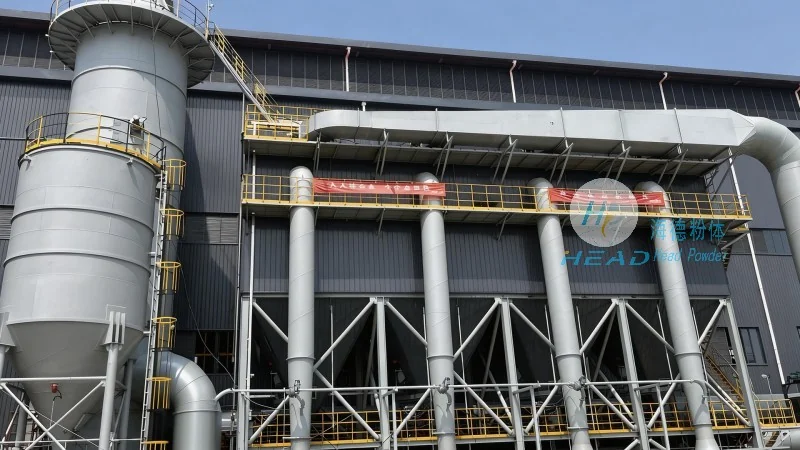
Understanding the Role of Automatic Loading and Unloading Conveyors
At the core of many automated manufacturing environments, the automatic loading and unloading material handling conveyor serves as a critical link in the supply chain. These systems are engineered to transport raw materials, finished products, or intermediate components with precision and speed. The primary function is to eliminate manual labor in material transfer, reducing human error and increasing overall productivity. By automating the loading and unloading processes, businesses can achieve higher throughput rates and maintain consistent operational efficiency. The design of such conveyors is tailored to the specific needs of the industry, whether it's in automotive, electronics, pharmaceuticals, or other sectors requiring high-volume material movement.
Key Design Principles of Material Handling Conveyors
The design of an automatic loading and unloading material handling conveyor involves several fundamental principles that ensure optimal performance. First, the system must be integrated with the existing production line to maintain a smooth workflow. This includes considerations for the layout of the facility, the dimensions of the materials being handled, and the required speed of operation. Engineers focus on creating a conveyor that can handle various material types, from small parts to larger components, with adaptability in mind. The mechanical design typically includes a drive system, such as motors and pulleys, to provide the necessary force for movement. Additionally, the conveyor may incorporate sensors and control systems to regulate the loading and unloading processes, ensuring that materials are transferred accurately and without damage.
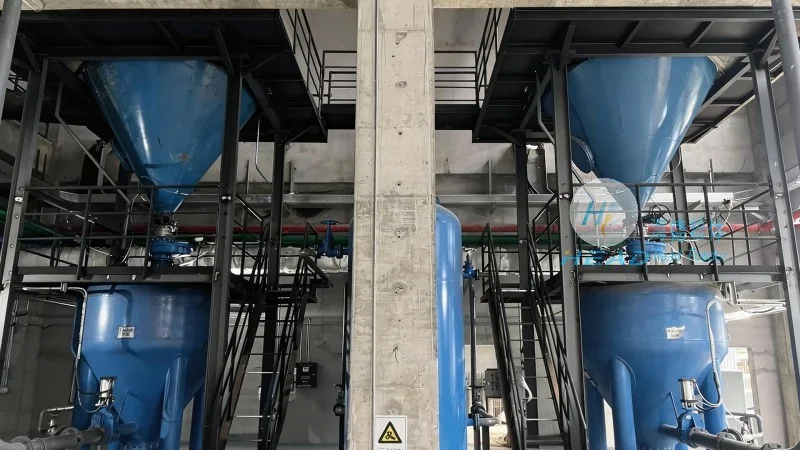
Components and Technology in Conveyor Design
Modern automatic loading and unloading material handling conveyors rely on a combination of mechanical, electrical, and software components. The mechanical structure may consist of belts, rollers, or chains, depending on the application. For instance, belt conveyors are commonly used for transporting lighter materials, while roller or chain conveyors are preferred for heavier loads. The drive system, often powered by electric motors, controls the speed and direction of the conveyor. Sensors, such as photoelectric sensors or proximity sensors, are integrated to detect the presence of materials and trigger the loading or unloading mechanisms. Control systems, typically based on programmable logic controllers (PLCs), manage the sequence of operations, ensuring that the conveyor operates in sync with other machinery in the production line. This integration allows for real-time monitoring and adjustments, enhancing the overall reliability of the system.
Application Examples and Industry Impact
The effectiveness of automatic loading and unloading material handling conveyors is evident in various industrial applications. In the automotive industry, these systems are used to transport car parts from assembly lines to packaging areas. In electronics manufacturing, they facilitate the movement of circuit boards and components through different stages of production. The pharmaceutical industry also benefits from such conveyors, as they help maintain sterile environments while transferring sensitive materials. By automating material handling, companies can reduce labor costs, minimize downtime, and improve product quality. The consistent and reliable operation of these conveyors contributes to a more efficient production process, ultimately leading to increased competitiveness in the market.
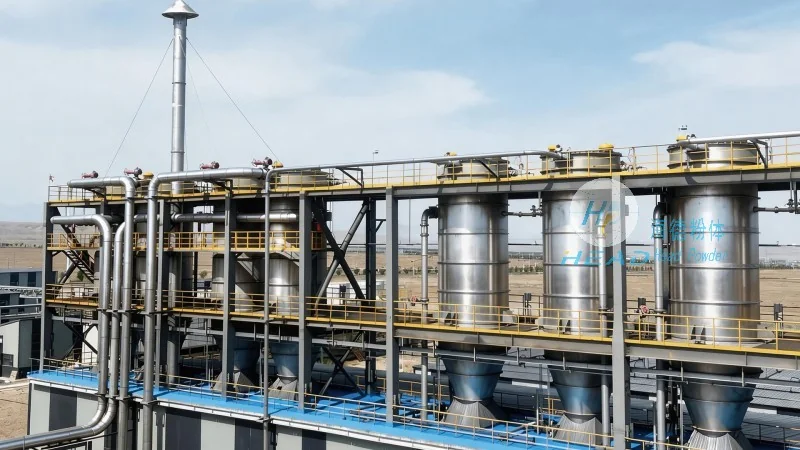
Customization and Scalability in Design
Another important aspect of the design principles is the ability to customize and scale the conveyor systems to meet specific operational needs. Manufacturers often offer modular designs that allow for easy expansion or reconfiguration as production demands change. This flexibility is crucial for businesses that may need to adapt their production lines to new products or increased output. The design process involves collaboration between engineers and clients to ensure that the conveyor meets all functional requirements, including load capacity, speed, and integration with existing equipment. Customization may also include features like adjustable heights, different material handling mechanisms, or integration with automated storage and retrieval systems (AS/RS). By focusing on scalability and adaptability, the design principles ensure that the conveyor remains a valuable asset throughout the lifecycle of the production operation.
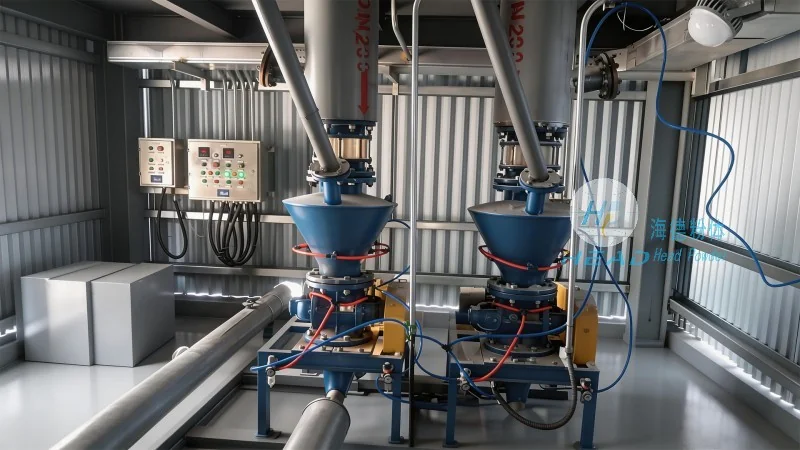
Maintenance and Reliability Considerations
Reliability is a critical factor in the design and operation of automatic loading and unloading material handling conveyors. To ensure consistent performance, manufacturers incorporate robust components and design features that minimize the risk of breakdowns. Regular maintenance is essential to keep the system running smoothly, and many designs include features that facilitate easy access for inspections and repairs. The use of high-quality materials and precision engineering helps extend the lifespan of the conveyor, reducing the need for frequent replacements. Additionally, the integration of monitoring systems allows for predictive maintenance, where data from sensors is used to anticipate potential issues before they cause downtime. This proactive approach to maintenance enhances the overall reliability of the system and contributes to the long-term success of the production line.
Conclusion: The Importance of Design Principles in Material Handling
In conclusion, the automatic loading and unloading material handling conveyor is a sophisticated system that plays a vital role in modern industrial operations. Its design principles, which focus on integration, adaptability, and reliability, are crucial for optimizing material flow and enhancing productivity. By understanding the components and technology behind these conveyors, businesses can make informed decisions about implementing such systems in their operations. The continuous evolution of conveyor design, driven by advancements in automation and control technology, ensures that these systems remain efficient and effective in meeting the demands of today's manufacturing environment. For companies seeking to improve their material handling processes, investing in a well-designed automatic loading and unloading conveyor is a strategic move that can lead to significant operational benefits.