

What is Refractory Material Handling? Exploring Design Principles
Refractory material handling is a critical process in industrial applications, particularly in environments where high temperatures and harsh conditions are prevalent. The efficient transportation and management of refractory materials are essential for maintaining operational efficiency and ensuring the safety of industrial processes. This article delves into the fundamental aspects of refractory material handling, focusing on the core design principles that underpin effective systems.
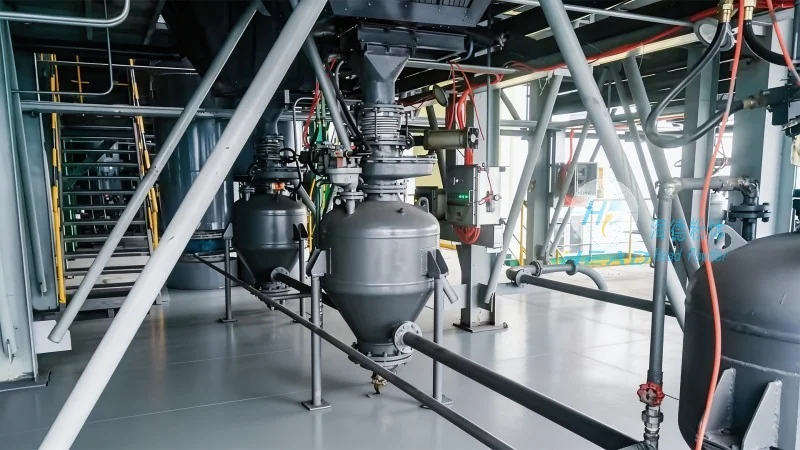
Understanding Refractory Material Handling Systems
Refractory material handling involves the movement, storage, and distribution of refractory products, which are materials designed to withstand extreme temperatures and thermal shock. These materials are commonly used in furnaces, kilns, and other high-temperature equipment. The primary goal of a refractory material handling system is to ensure that these materials are transported safely and efficiently from storage to the point of use, minimizing downtime and reducing the risk of accidents.
Key Design Principles for Refractory Material Handling
The design of refractory material handling systems is governed by several critical principles that ensure optimal performance and reliability. These principles include:
- Material Compatibility: The handling equipment and systems must be compatible with the refractory materials being transported. This includes considering factors such as material hardness, abrasiveness, and thermal properties to prevent equipment wear and material degradation.
- Temperature Management: Since refractory materials are used in high-temperature environments, the handling system must be capable of withstanding elevated temperatures without compromising its structural integrity or performance. This often involves the use of heat-resistant materials and components designed for thermal stability.
- Efficiency and Flow Optimization: The system should be designed to minimize material handling time and maximize throughput. This includes optimizing the layout of storage areas, conveyor systems, and processing equipment to create a smooth and continuous material flow.
- Safety and Ergonomics: Safety is a paramount concern in refractory material handling. The design must incorporate features that protect operators from potential hazards, such as falling materials, hot surfaces, and mechanical failures. Ergonomic considerations are also essential to reduce operator fatigue and improve overall safety.
Components of a Typical Refractory Material Handling System
A typical refractory material handling system comprises several key components that work in tandem to achieve efficient material movement. These components may include:
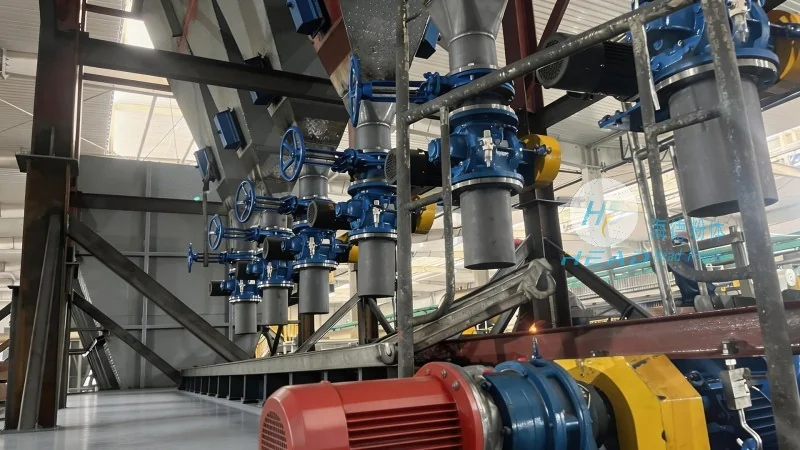
- Storage and Loading Equipment: This includes silos, hoppers, and storage bins designed to hold refractory materials in bulk. These systems are often equipped with loading mechanisms, such as conveyor belts or bucket elevators, to transfer materials from storage to processing equipment.
- Conveying Systems: Conveyor belts, screw conveyors, and pneumatic conveying systems are commonly used to transport refractory materials over short or long distances. The choice of conveyor type depends on the material characteristics, such as bulk density and flowability.
- Processing and Handling Equipment: This may include mixers, classifiers, and screening equipment used to prepare refractory materials for use. These systems are designed to handle the abrasive nature of refractory materials while maintaining operational efficiency.
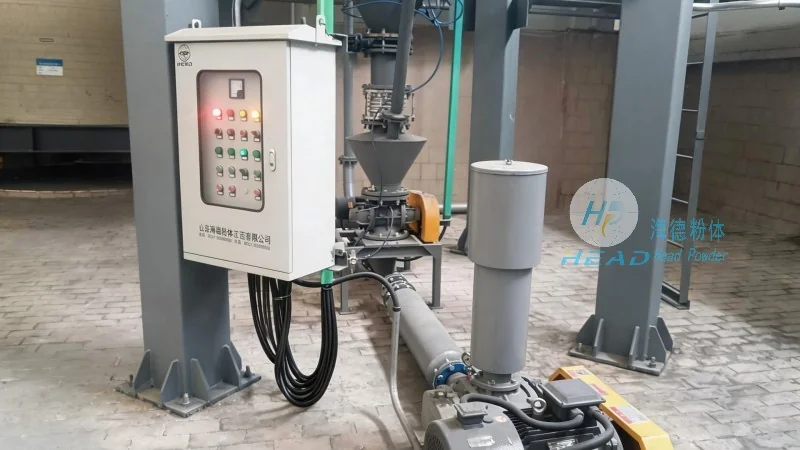
- Control and Monitoring Systems: Modern refractory material handling systems often incorporate advanced control and monitoring technologies to optimize performance and ensure safety. These systems may include sensors for level monitoring, temperature control, and equipment status, as well as automated control systems for material flow management.
Applications of Refractory Material Handling
Refractory material handling systems are widely used in various industrial sectors, including:
- Steel Manufacturing: In steel plants, refractory materials are used to line furnaces and kilns. Efficient handling systems are crucial for maintaining the quality of steel products and minimizing production downtime.
- Cement and Concrete Production: Refractory materials are used in cement kilns and other processing equipment. Proper handling ensures the longevity of these systems and the consistent quality of cement products.
- Metallurgical and Foundry Industries: These industries rely on refractory materials for furnace linings and other components. The handling systems must be robust and capable of withstanding the harsh conditions of metal production.
- Power Generation: In power plants, refractory materials are used in boilers and other high-temperature equipment. The handling systems play a vital role in ensuring the safe and efficient operation of these critical systems.
Choosing the Right Refractory Material Handling Solution
When selecting a refractory material handling system, several factors must be considered to ensure the best fit for a specific application. These factors include:
- Material Characteristics: The properties of the refractory material, such as its bulk density, flowability, and abrasiveness, will influence the choice of handling equipment and system design.
- Production Volume and Throughput Requirements: The system must be capable of handling the required volume of materials at the desired throughput rate to meet production demands.
- Space Constraints: The available space for the handling system will impact the design and layout of the equipment, including the choice of conveyor type and storage configuration.
- Budget and Maintenance Considerations: The initial cost of the system, as well as long-term maintenance and operational costs, must be considered to ensure the overall economic viability of the solution.
Conclusion
Refractory material handling is a complex but essential process in many industrial applications. By adhering to sound design principles and incorporating appropriate equipment and systems, industrial facilities can ensure the safe and efficient transportation of refractory materials. The choice of a suitable handling solution is critical to maintaining operational efficiency, reducing downtime, and ensuring the longevity of high-temperature equipment. For businesses seeking reliable refractory material handling solutions, Shandong HeadPowder Engineering Co., Ltd. offers expertise and tailored systems to meet their specific needs, with operations based in Shandong, China.