

What is Nanoparticle Calcium Carbonate Material Handling? Exploring Design Principles
Nanoparticle calcium carbonate (nCC) is a widely used industrial material, and its efficient handling and transportation are crucial for various manufacturing processes. The material handling of nCC involves the movement of these fine particles from storage to processing units, and the design of the handling system plays a pivotal role in ensuring optimal performance, safety, and cost-effectiveness. This article delves into the concept of nanoparticle calcium carbonate material handling and outlines the key design principles that underpin effective systems.
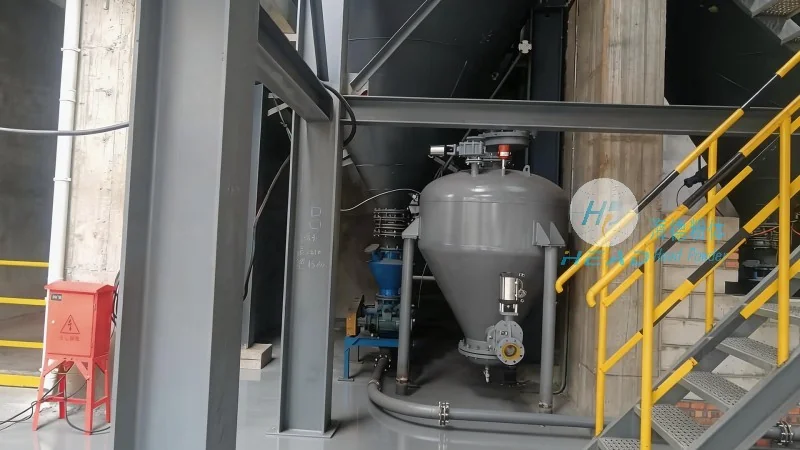
Understanding Nanoparticle Calcium Carbonate Material Handling
Material handling for nanoparticle calcium carbonate refers to the processes and equipment used to transport, store, and manage these fine particles. Unlike bulk materials, nCC particles are extremely small, typically ranging from 0.01 to 5 micrometers in diameter. This fineness presents unique challenges in terms of flowability, dust generation, and equipment wear. Therefore, the design of the material handling system must address these characteristics to prevent issues such as clogging, agglomeration, and loss of material.
The Role of HeadPowder in Nanoparticle Calcium Carbonate Handling Solutions
Shandong HeadPowder Engineering Co., Ltd., commonly known as HeadPowder, is a leading provider of engineering solutions for material handling in the nanoparticle calcium carbonate industry. With a strong presence in China, particularly in Shandong, the company specializes in designing and implementing systems tailored to the specific needs of nCC processing facilities. HeadPowder's expertise lies in understanding the unique properties of nCC and translating them into practical, efficient handling solutions.
Key Design Principles for Nanoparticle Calcium Carbonate Material Handling Systems
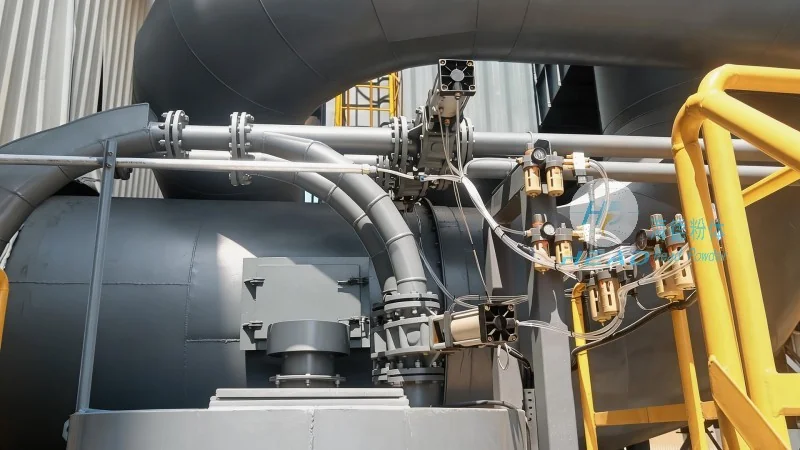
Effective material handling of nanoparticle calcium carbonate relies on several fundamental design principles. First, the system must ensure proper flow and prevent clogging. This is achieved through the use of specialized equipment such as rotary valves, screw conveyors, and pneumatic conveying systems that are designed to handle fine powders without causing blockages. Second, dust control is critical. Proper sealing and filtration systems are incorporated to minimize dust emissions and protect both the environment and personnel. Third, the system must be scalable and adaptable to varying production volumes. This flexibility allows facilities to adjust their handling capacity as production needs change. Fourth, energy efficiency is a key consideration. The design incorporates energy-saving components and optimized flow paths to reduce operational costs. Finally, safety is paramount. The system includes features such as explosion-proof designs and emergency shut-off mechanisms to protect workers and equipment from potential hazards.
Equipment Selection and Integration in Nanoparticle Calcium Carbonate Handling
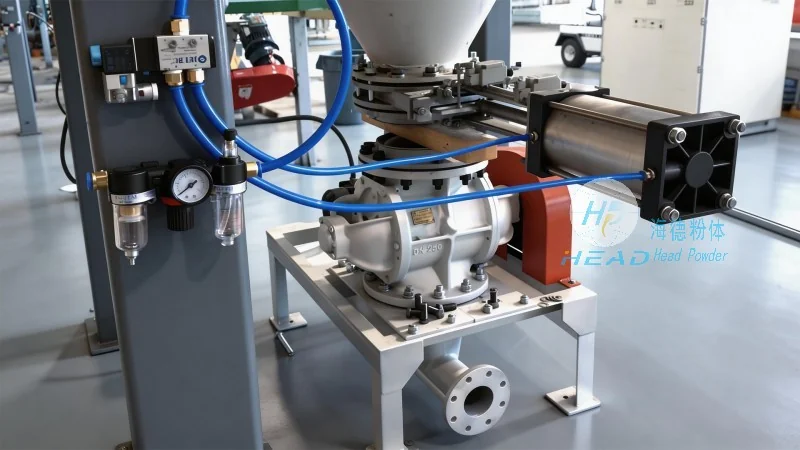
The choice of equipment for nanoparticle calcium carbonate material handling is a critical aspect of system design. Rotary valves are commonly used as feeders to control the flow rate of nCC from storage silos to processing units. Screw conveyors are effective for horizontal or slight incline transport, while pneumatic conveying systems are ideal for long-distance or vertical transport. The integration of these equipment types requires careful consideration of the material's properties, such as its density, moisture content, and flow characteristics. HeadPowder engineers work closely with clients to select the most appropriate equipment and configure the system for optimal performance.
Process Optimization and Maintenance for Nanoparticle Calcium Carbonate Handling
Once the material handling system is installed, ongoing optimization and maintenance are essential to ensure long-term efficiency. Regular cleaning of equipment, particularly in areas prone to dust accumulation, is necessary to prevent clogging and maintain flow rates. The use of wear-resistant materials in components such as conveyor belts and valve linings extends the lifespan of the system and reduces maintenance costs. Additionally, monitoring systems can be implemented to track key performance indicators, such as flow rates and pressure differentials, allowing for timely adjustments and troubleshooting. HeadPowder provides comprehensive maintenance services to support its clients in keeping their nCC handling systems in optimal condition.
Conclusion: The Importance of Well-Designed Nanoparticle Calcium Carbonate Material Handling
In conclusion, the material handling of nanoparticle calcium carbonate is a complex process that requires careful consideration of the material's unique properties and the application's specific requirements. The design principles outlined above, combined with the expertise of companies like Shandong HeadPowder Engineering Co., Ltd., ensure that nCC can be handled efficiently, safely, and cost-effectively. By prioritizing proper flow, dust control, scalability, energy efficiency, and safety, facilities can maximize the performance of their nCC processing operations and achieve their production goals.