

What is Food Additive Material Handling? And What Are Its Design Principles?
Food additive material handling is a critical process in the food industry, involving the efficient movement and management of various food additives from storage to production lines. This process ensures that additives are delivered in a controlled manner, maintaining their quality and safety throughout the handling stages. The design principles behind such systems are crucial for optimizing workflow, enhancing product integrity, and adhering to regulatory standards.
Understanding Food Additive Material Handling
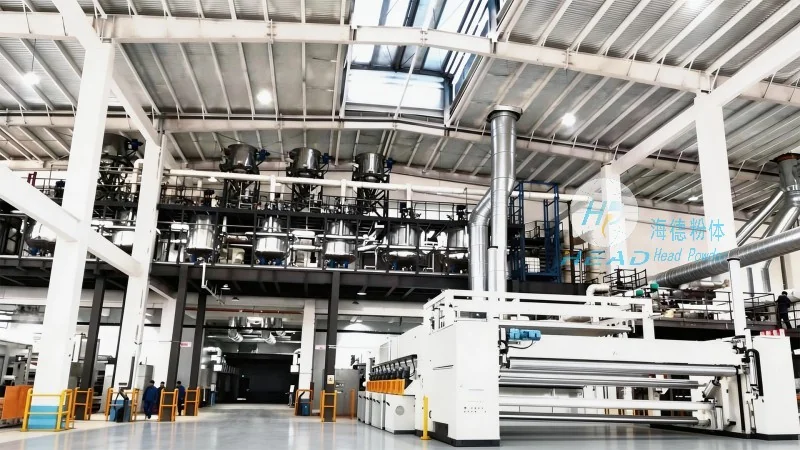
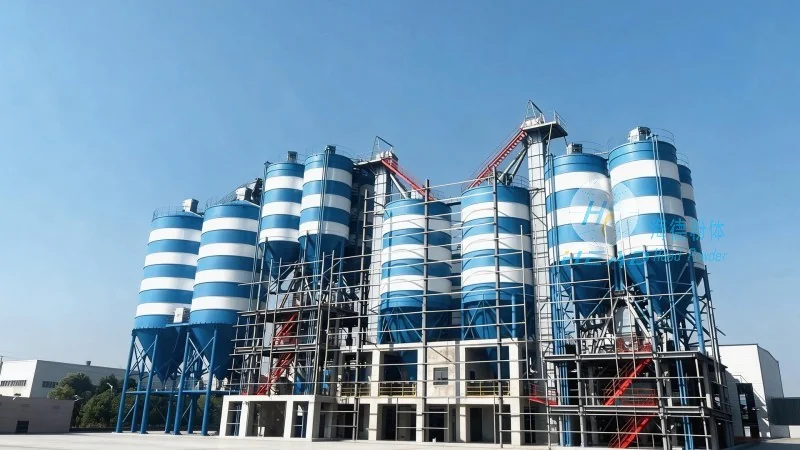
Food additive material handling refers to the technologies and systems used to transport, store, and distribute food additives within a manufacturing facility. These additives, which include preservatives, colorants, flavor enhancers, and other functional ingredients, require specialized handling to prevent contamination, degradation, or loss of efficacy. The process typically begins with the storage of raw materials in bulk containers or silos, followed by the transfer to processing equipment or packaging lines. Efficient material handling is essential to minimize downtime, reduce labor costs, and ensure consistent product quality.
Key Design Principles for Material Handling Systems
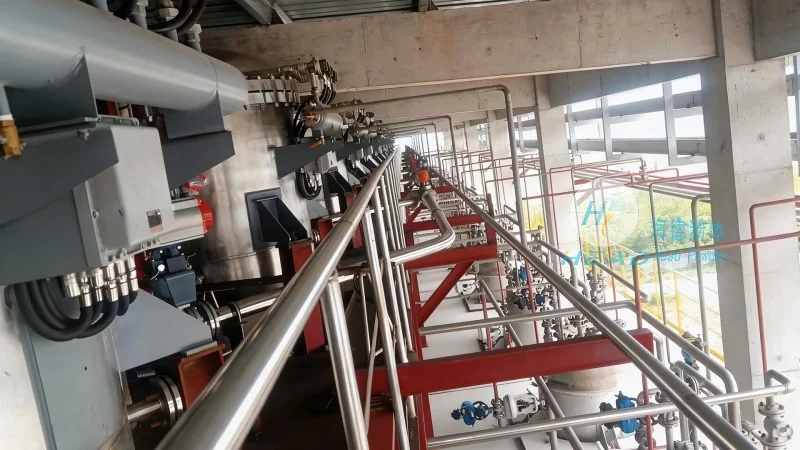
The design of food additive material handling systems is guided by several fundamental principles that prioritize safety, efficiency, and compliance. One primary principle is the minimization of product exposure to contaminants, which is achieved through sealed and sanitary equipment, proper cleaning protocols, and controlled environmental conditions. Another critical principle is the optimization of material flow, ensuring that additives move smoothly from storage to end-use without bottlenecks or delays. This involves selecting appropriate conveyor systems, such as screw conveyors, belt conveyors, or pneumatic systems, based on the physical properties of the additives (e.g., particle size, moisture content, and flowability).
Role of Material Properties in System Design
The physical and chemical properties of food additives significantly influence the design of material handling systems. For instance, additives with high moisture content may require moisture-resistant equipment to prevent caking or degradation. Similarly, additives with low flowability, such as powders that tend to aggregate, may necessitate the use of vibratory feeders or air classifiers to maintain consistent flow rates. The design must also consider the potential for dust generation, as many food additives are fine powders that can create airborne particles. Proper dust control measures, including enclosures and filtration systems, are integral to maintaining a safe and clean working environment.
Equipment Selection and Integration
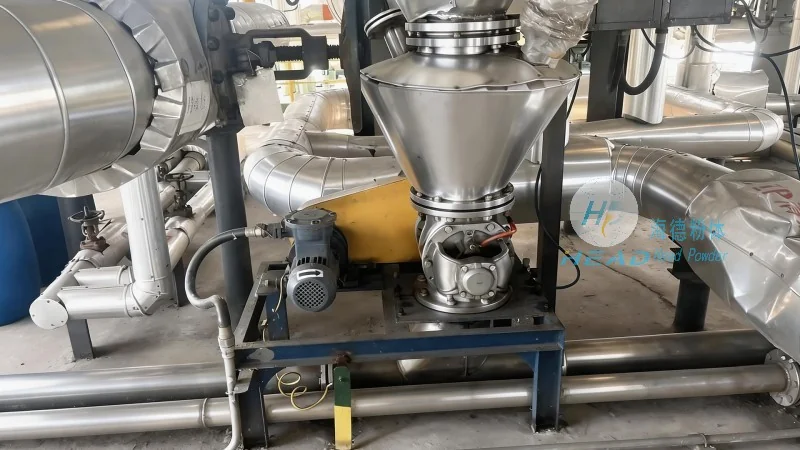
Choosing the right equipment for food additive material handling is a key aspect of system design. Screw conveyors are commonly used for horizontal or slight incline transport due to their ability to handle a wide range of materials, including powders and granules. They are particularly effective for additives with moderate flowability and can be equipped with variable speed drives to adjust flow rates as needed. Belt conveyors, on the other hand, are suitable for bulkier or heavier additives and can handle larger quantities with higher throughput. Pneumatic conveying systems are ideal for fine powders that are difficult to transport mechanically, as they use air pressure to move materials through pipelines. The selection of equipment depends on factors like the additive's particle size, density, and the required handling capacity.
Control and Automation in Material Handling
Modern food additive material handling systems often incorporate advanced control and automation technologies to enhance efficiency and precision. Sensors and level indicators are used to monitor the inventory levels in storage silos, triggering automatic feeding when levels drop below a certain threshold. This reduces the risk of overfilling or underfilling and ensures a steady supply of additives to the production line. Additionally, automated weighing and dosing systems are employed to accurately measure and dispense the required amounts of additives, minimizing waste and ensuring consistent product formulation. These technologies not only improve operational efficiency but also help in maintaining accurate records for quality control and regulatory compliance.
Regulatory Compliance and Safety Considerations
Designing food additive material handling systems must adhere to stringent regulatory standards to ensure food safety and product quality. This includes compliance with local and international food safety regulations, such as those set by the FDA or EU food directives. The systems must be constructed from materials that are food-grade and non-reactive with the additives being handled, such as stainless steel or food-grade plastics. Sanitary design features, such as smooth surfaces, no dead zones, and easy-to-clean components, are essential to prevent microbial growth and contamination. Furthermore, safety measures like emergency stop buttons, interlocks, and proper ventilation systems are integrated to protect operators from hazards like dust explosions or mechanical failures.
Case Study: Shandong HeadPowder Engineering Co., Ltd.
Shandong HeadPowder Engineering Co., Ltd., a leading provider of material handling solutions in China, specializes in designing and manufacturing customized systems for food additive applications. With a focus on innovation and adherence to industry standards, the company has developed advanced material handling solutions tailored to the unique needs of food manufacturers. Their expertise includes the design of bulk handling systems, storage silos, and conveying equipment that ensure the safe and efficient transport of food additives. By leveraging their knowledge of material properties and regulatory requirements, HeadPowder has helped numerous clients optimize their production processes and improve overall operational efficiency.
Conclusion
Food additive material handling is a complex but essential aspect of the food industry, requiring careful consideration of design principles, material properties, and regulatory compliance. The efficient design and operation of material handling systems directly impact product quality, safety, and production efficiency. As the food industry continues to evolve, the demand for advanced material handling solutions will remain high, driving innovation in equipment design and automation. Companies like Shandong HeadPowder Engineering Co., Ltd. play a vital role in meeting these needs by providing tailored solutions that enhance the performance and reliability of food additive handling processes.