

What is a Magnesium Silicate Powder Conveyor? And What Are Its Design Principles?
When it comes to handling magnesium silicate powder, an efficient and reliable conveying system is essential for industrial operations. The magnesium silicate powder conveyor, also known as a magnesium silicate powder transport machine, is a specialized piece of equipment designed to move this specific type of powder material with precision and minimal loss. Understanding its design principles is crucial for optimizing performance and ensuring the smooth operation of processes that involve magnesium silicate powder.
Introduction to Magnesium Silicate Powder Conveyors
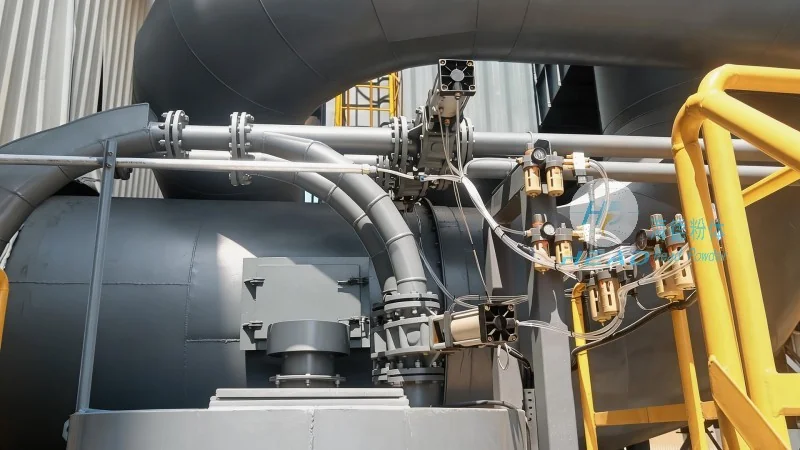
Magnesium silicate powder, a common industrial material, is often used in applications such as refractory materials, insulation products, and various chemical processes. The need for an effective conveying system arises from the material's properties, which can include fine particle size, low bulk density, and potential issues with dust generation. A magnesium silicate powder conveyor is engineered to address these challenges by providing a controlled and efficient method of transporting the powder from one location to another within a production facility.
About Shandong HeadPowder Engineering Co., Ltd.
As a leading manufacturer in the field, Shandong HeadPowder Engineering Co., Ltd. specializes in the design and production of high-quality powder conveying equipment. With a strong commitment to innovation and customer satisfaction, the company has established itself as a trusted partner for industries requiring reliable solutions for handling fine powders. HeadPowder's expertise lies in creating customized conveyor systems that meet the unique demands of each application, ensuring optimal performance and durability.
Design Principles of Magnesium Silicate Powder Conveyors
The design of a magnesium silicate powder conveyor is based on several key principles aimed at maximizing efficiency and minimizing material degradation. These principles include the selection of appropriate materials for the conveyor components, the optimization of the conveying mechanism to handle fine particles, and the implementation of features that prevent dust accumulation and material caking. The conveyor's structure is typically designed to be robust and easy to clean, which is essential for maintaining the purity of the magnesium silicate powder and complying with industry standards.
Key Components and Their Functions
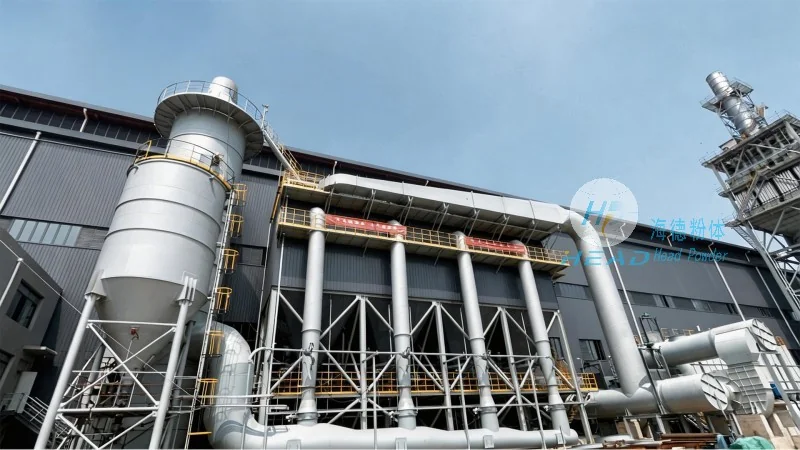
Several critical components make up a magnesium silicate powder conveyor. The feeding system, often equipped with a hopper or feeder, ensures a consistent and controlled flow of the powder into the conveyor. The conveying mechanism, which may include screw conveyors, pneumatic systems, or belt conveyors, is chosen based on the specific characteristics of the magnesium silicate powder. For example, screw conveyors are commonly used for bulk materials with moderate flowability, while pneumatic conveyors are preferred for fine powders that require low dust generation. The discharge system is designed to deliver the powder to the next stage of the process without spillage or loss.
How the Conveyor Works: A Step-by-Step Overview
The operation of a magnesium silicate powder conveyor involves a series of coordinated steps. First, the magnesium silicate powder is fed into the hopper or feeder, where it is stored until needed. The feeder then regulates the flow of powder into the conveying mechanism. The conveying mechanism then transports the powder through the system, often using rotating components or air pressure to move the material. The powder is then discharged at the end of the conveyor, where it is collected and transferred to the next process. This entire process is designed to be continuous and efficient, minimizing downtime and ensuring a steady supply of magnesium silicate powder to the production line.
Advantages of Using a Magnesium Silicate Powder Conveyor
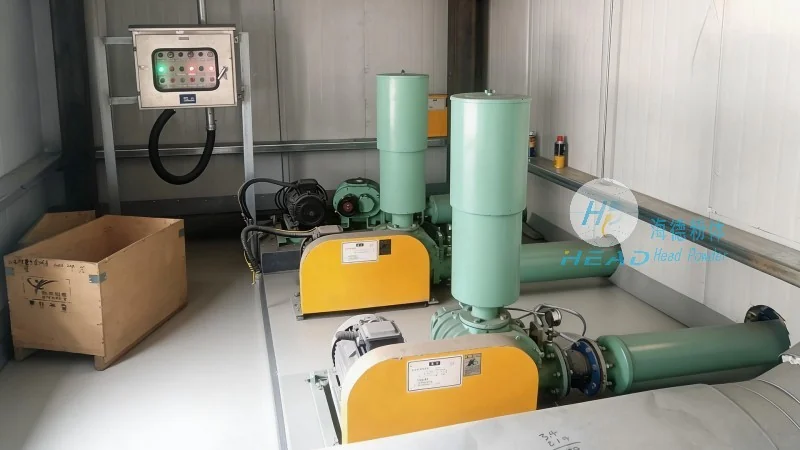
Implementing a magnesium silicate powder conveyor offers several advantages for industrial operations. One of the primary benefits is the reduction in material loss and dust generation, which not only improves product quality but also enhances workplace safety. The conveyor's ability to handle fine particles without caking or bridging ensures consistent flow rates, which is critical for maintaining process stability. Additionally, the system's design allows for easy integration into existing production lines, reducing the need for extensive modifications and minimizing disruption to operations. The durability and low maintenance requirements of these conveyors also contribute to long-term cost savings for businesses.
Applications and Industries
Magnesium silicate powder conveyors are widely used in various industries that rely on the handling of fine powders. These include the refractory industry, where magnesium silicate is used in the production of fire-resistant materials; the insulation industry, where it is used in the manufacturing of thermal insulation products; and the chemical industry, where it is used in the production of various compounds. The versatility of the conveyor makes it suitable for a wide range of applications, from small-scale production to large-scale industrial operations.
Conclusion
In conclusion, a magnesium silicate powder conveyor is a vital piece of equipment for industries handling this specific type of powder. Its design principles, which focus on efficiency, material handling, and safety, make it an essential component of modern production processes. With the expertise of companies like Shandong HeadPowder Engineering Co., Ltd., businesses can ensure they have access to high-quality, reliable conveying systems that meet their unique needs. By understanding the design and operation of these conveyors, industries can optimize their processes, improve product quality, and achieve greater efficiency in their operations.