

Graphene Transport Methods: An Introduction to HeadPowder's Pneumatic Graphene Conveying System
When it comes to handling graphene, a material renowned for its exceptional strength, electrical conductivity, and thermal properties, selecting the right transport method is crucial for maintaining its integrity and performance. Graphene, often in the form of powders or flakes, requires specialized equipment to ensure safe and efficient movement from one location to another. Traditional methods such as manual handling or mechanical conveyors may not be suitable due to the material's high value and sensitivity. This article explores the various transport methods available for graphene, with a focus on the innovative solutions offered by Shandong HeadPowder Engineering Co., Ltd., commonly known as HeadPowder.
Challenges in Graphene Conveying
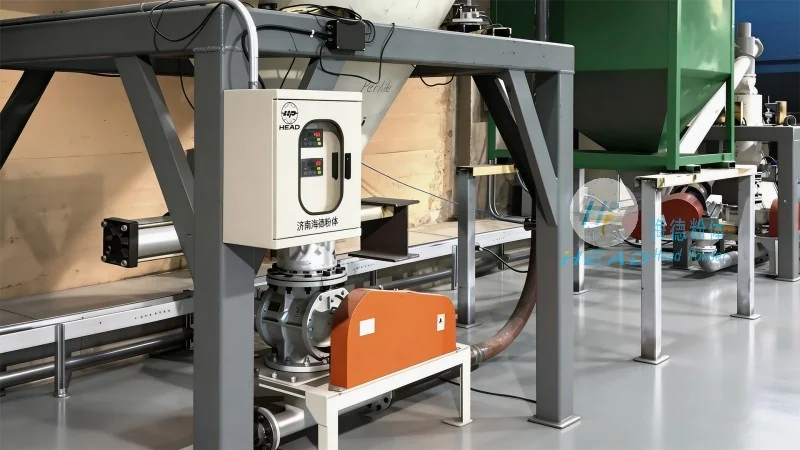
Graphene's unique properties present several challenges when it comes to transportation. Its extremely thin, flexible structure makes it prone to agglomeration and damage if not handled carefully. Additionally, the material's high surface area and reactivity can lead to issues like static buildup or oxidation during handling. These factors necessitate advanced conveying systems that minimize friction, prevent particle breakage, and maintain a controlled environment. Conventional bulk material handling equipment may not be equipped to handle such delicate materials, highlighting the need for specialized solutions.
HeadPowder's Pneumatic Graphene Conveying System
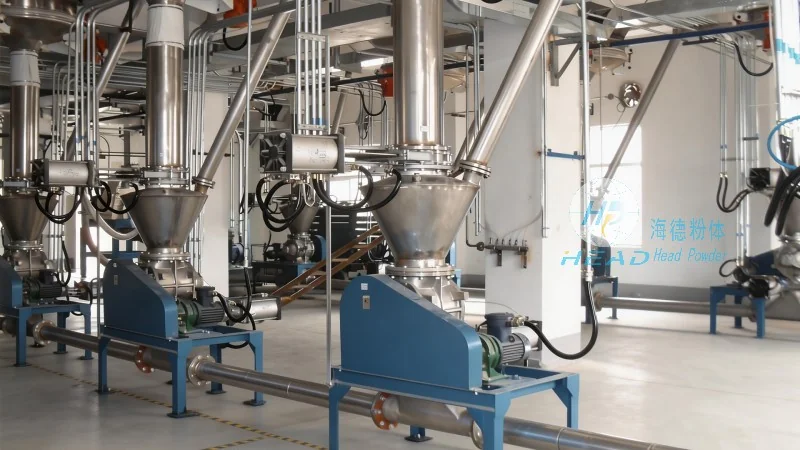
HeadPowder, a leading provider of material handling solutions, has developed a state-of-the-art pneumatic conveying system specifically designed for graphene transport. This system leverages compressed air to move graphene particles through a sealed pipeline, ensuring a clean, dust-free, and controlled environment. The system is engineered to handle both dry and wet graphene powders, accommodating various particle sizes and concentrations. Key features include:
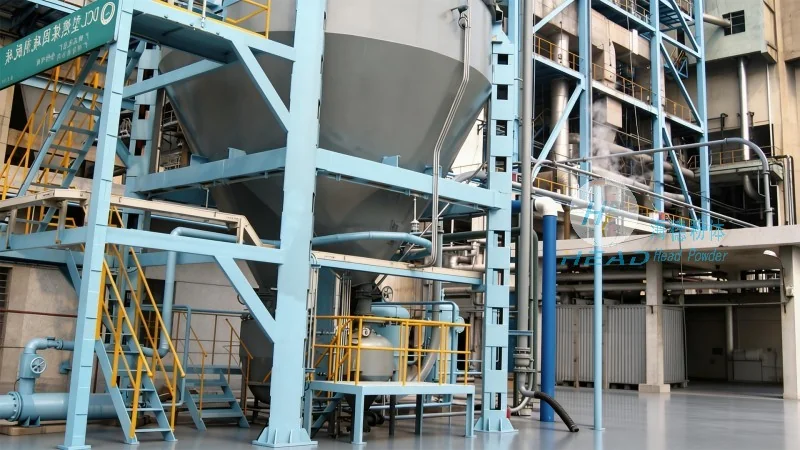
- Low-pressure, low-velocity operation to prevent particle damage and agglomeration.
- Sealed pipelines that minimize exposure to air and moisture, reducing the risk of oxidation or contamination.
- Customizable components such as cyclone separators and filters to ensure efficient separation and collection of graphene particles.
- Integration with existing material handling infrastructure, allowing for seamless incorporation into production lines.
Advantages of Pneumatic Conveying for Graphene
Compared to traditional mechanical conveyors, HeadPowder's pneumatic system offers several advantages for graphene transport. The primary benefit is the ability to maintain the material's integrity throughout the conveying process. By using low-pressure air, the system reduces the risk of particle breakage and agglomeration, which can degrade graphene's performance. Additionally, the sealed environment prevents exposure to contaminants, ensuring that the graphene remains pure and suitable for high-value applications such as electronics, composites, and energy storage.
Another advantage is the system's flexibility. Pneumatic conveying can handle both small and large volumes of graphene, making it suitable for laboratory-scale testing as well as industrial production. The modular design allows for easy expansion or modification as production needs change. Furthermore, the system is energy-efficient, using compressed air that can be sourced from existing plant infrastructure, reducing operational costs.
Application Examples
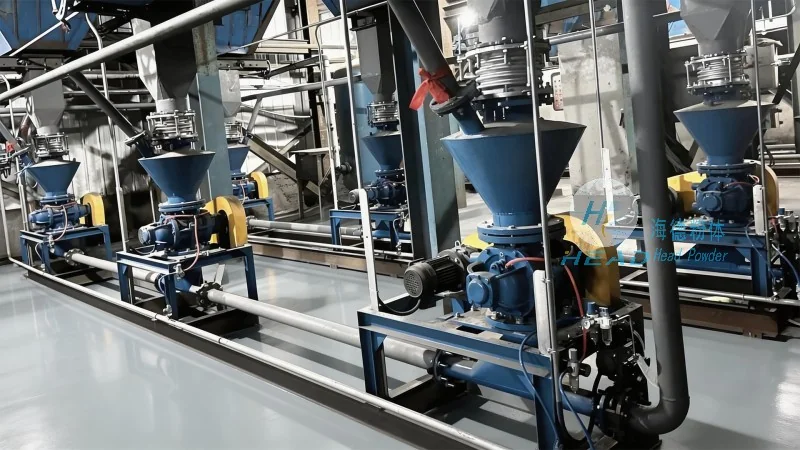
HeadPowder's pneumatic graphene conveying system has been successfully implemented in various applications, demonstrating its effectiveness in real-world scenarios. For instance, in the production of graphene-based composites, the system efficiently transports graphene powder from storage silos to mixing equipment, ensuring consistent material flow and quality. In electronics manufacturing, the system delivers high-purity graphene flakes to coating lines, where they are used to enhance the conductivity of printed circuits. The system's ability to handle both dry and wet graphene also makes it suitable for applications involving graphene oxide or reduced graphene oxide, where moisture control is critical.