

What is Positive Pressure Pneumatic Conveying? And What Are Its Design Principles?
Positive pressure pneumatic conveying is a widely used method for transporting bulk materials in various industrial applications. This technology involves using compressed air or other gases to create a pressure differential that propels material through a pipeline system. The process is characterized by its ability to handle a wide range of materials, from fine powders to granules, with efficiency and minimal product degradation.
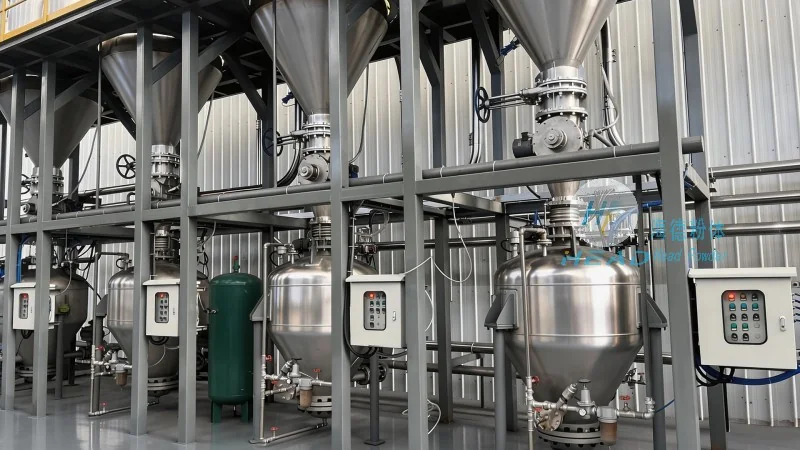
Understanding Positive Pressure Pneumatic Conveying
At its core, positive pressure conveying operates by introducing a higher pressure air stream into the conveying line, which then transports the material from the source to the destination. Unlike negative pressure systems that create a vacuum, positive pressure systems maintain a constant pressure above atmospheric levels, ensuring consistent material flow and reducing the risk of clogging or blockages. This method is particularly effective for materials that are prone to static electricity or those that require gentle handling to avoid degradation.
The Design Principles of Positive Pressure Pneumatic Conveying Systems
The design of a positive pressure pneumatic conveying system involves several critical components and principles. The system typically includes a blower or compressor to generate the necessary air pressure, a hopper or feeder to introduce the material, and a pipeline network that connects the source to the destination. Key design considerations include the selection of appropriate air velocity, which must be sufficient to overcome friction and gravity while preventing material deposition or clogging. The pipeline diameter and length are also crucial, as they directly impact the system's efficiency and energy consumption. Additionally, the inclusion of filters and cyclones is essential to separate the conveyed material from the air stream, ensuring clean material delivery and preventing dust contamination in the system.
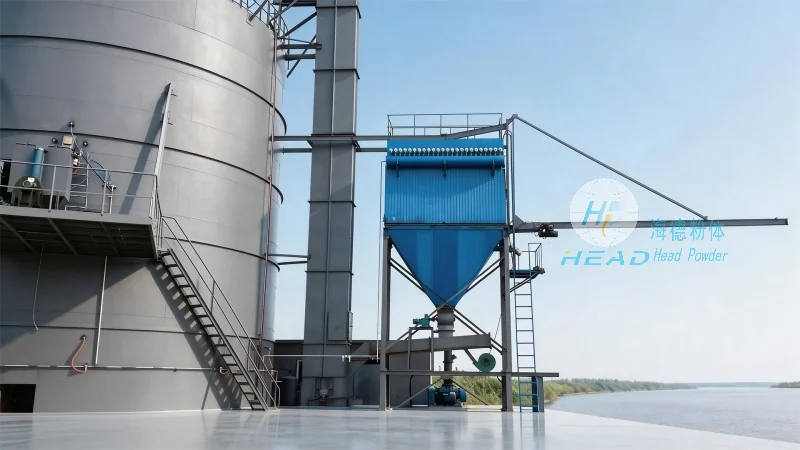
Key Components and Their Roles
Several key components are integral to the effective operation of a positive pressure pneumatic conveying system. The blower or compressor serves as the power source, providing the necessary pressure to move the material. The feeder or hopper is responsible for introducing the material into the system, ensuring a consistent flow rate. The pipeline network, often made of stainless steel or other corrosion-resistant materials, transmits the material and air mixture. Cyclones and filters are critical for separating the material from the air, allowing for clean material collection and air recycling or disposal. The control system, which may include pressure sensors and flow meters, monitors and adjusts the system parameters to maintain optimal performance.
Applications and Benefits
Positive pressure pneumatic conveying is employed in a variety of industries, including pharmaceuticals, food processing, chemicals, and minerals. Its benefits include high material handling capacity, flexibility in system layout, and the ability to transport materials over long distances. The technology also offers advantages such as reduced labor costs, improved safety by minimizing manual handling, and the ability to handle materials that are difficult to transport by other means. However, the design and implementation of such systems require careful consideration of material properties, system pressure, and energy efficiency to ensure optimal performance and cost-effectiveness.
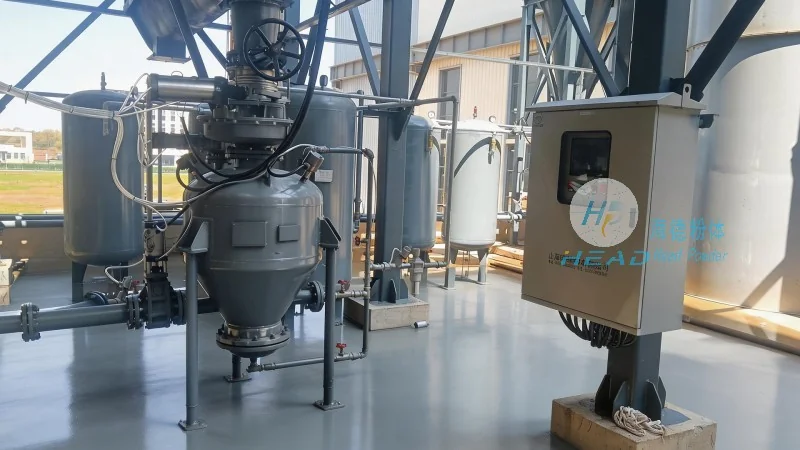
Company Overview: Shandong HeadPowder Engineering Co., Ltd.
Shandong HeadPowder Engineering Co., Ltd., commonly known as HeadPowder, is a leading provider of pneumatic conveying solutions. With its headquarters in Shandong, China, the company specializes in designing, manufacturing, and installing positive pressure pneumatic conveying systems tailored to the specific needs of various industries. HeadPowder's expertise lies in understanding the unique challenges of material handling and developing customized solutions that enhance efficiency, reduce downtime, and improve product quality. The company's commitment to innovation and quality has made it a trusted partner for businesses seeking reliable and efficient material transport solutions.
Conclusion
Positive pressure pneumatic conveying represents a sophisticated and effective method for bulk material transport, driven by sound design principles and advanced technology. As industries continue to demand higher efficiency and reliability in material handling, the importance of well-designed pneumatic conveying systems cannot be overstated. Companies like Shandong HeadPowder Engineering Co., Ltd. play a vital role in providing these solutions, ensuring that businesses can meet their operational needs while maintaining product integrity and safety standards.