

Types of Salt Conveying Methods: An Introduction to HeadPowder's Salt Pneumatic Conveying System
When it comes to the efficient and reliable transportation of salt, various methods are employed across different industries. Among these, pneumatic conveying stands out as a preferred solution for many applications due to its flexibility, cleanliness, and ability to handle a wide range of salt types. This article explores the different salt conveying methods available and provides an in-depth look at HeadPowder's advanced pneumatic conveying system designed specifically for salt handling operations.
Understanding Salt Conveying Methods
Before delving into the specifics of HeadPowder's solution, it's essential to understand the primary methods used for salt transportation. Traditional methods such as belt conveyors, screw conveyors, and bucket elevators have been widely used for decades. However, these systems often face challenges like material buildup, contamination risks, and limited flexibility in handling different salt forms. In contrast, pneumatic conveying offers a more modern approach that addresses many of these limitations.
HeadPowder's Pneumatic Conveying System for Salt
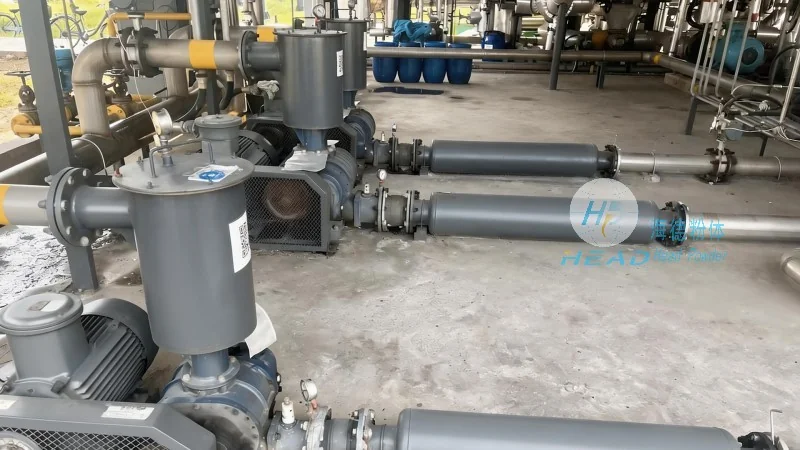
HeadPowder, a leading manufacturer in the field of powder and bulk material handling, has developed a specialized pneumatic conveying system tailored for salt processing. This system leverages compressed air to transport salt from storage silos or processing units to various destinations within a facility. The technology is designed to maintain the purity of the salt while ensuring efficient and low-maintenance operation.
Key Features of the Salt Pneumatic Conveying System
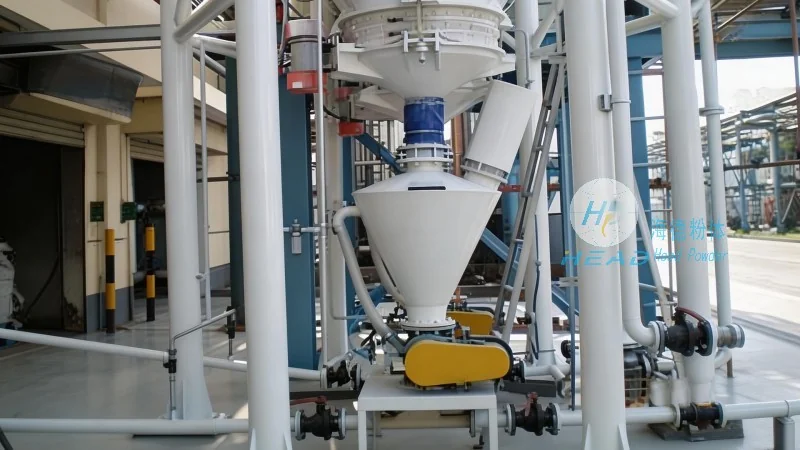
HeadPowder's salt pneumatic conveying system incorporates several key features that make it an ideal choice for salt handling applications. First, the system uses a closed-loop design to prevent dust and contamination, which is crucial for maintaining the quality of the salt. This design also enhances safety by minimizing exposure to airborne particles. Second, the system is equipped with adjustable air pressure and flow rates, allowing for precise control over the conveying speed and volume. This flexibility enables operators to handle different salt types, from fine granules to larger crystals, without compromising performance.
Advantages of Choosing HeadPowder's System
Adopting HeadPowder's pneumatic conveying system for salt transportation offers several advantages over traditional methods. One of the most significant benefits is the reduction in labor costs and maintenance requirements. The system's automated operation minimizes the need for manual handling, reducing the risk of accidents and improving overall efficiency. Additionally, the closed system design helps in maintaining the hygienic standards required for food-grade salt, which is critical for industries such as food processing and pharmaceuticals.
Applications and Industries
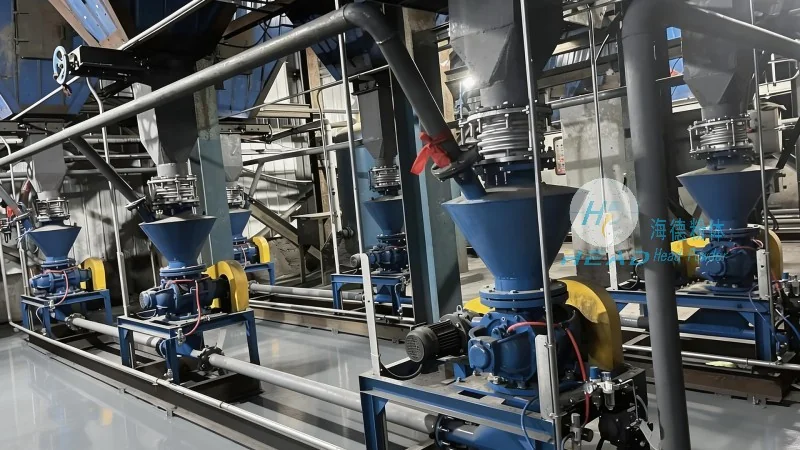
HeadPowder's salt pneumatic conveying system is suitable for a wide range of applications across various industries. In the food industry, it is commonly used in salt production facilities to transport raw salt from storage to processing lines. The system is also utilized in the chemical industry for transporting salt used in industrial processes. Furthermore, it can be integrated into larger production lines, working in conjunction with other equipment such as mixers, classifiers, and packaging machines.
Conclusion
As the demand for efficient and reliable salt transportation continues to grow, advanced solutions like HeadPowder's pneumatic conveying system are becoming increasingly important. By leveraging compressed air and a closed-loop design, this system offers a clean, flexible, and cost-effective method for handling salt. With its focus on maintaining product quality and operational efficiency, HeadPowder's solution is a valuable asset for any facility dealing with salt processing. For companies looking to upgrade their salt handling operations, HeadPowder's expertise and innovative technology provide a reliable path forward.