

What is a Rice Husk Ash Pneumatic Conveying System? And What Are Its Design Principles?
Rice husk ash, a byproduct of biomass combustion processes, often requires efficient handling and transportation for industrial applications. The rice husk ash pneumatic conveying system is a specialized solution designed to address these needs, ensuring safe, reliable, and cost-effective material transport. This article explores the core components, operational mechanisms, and design principles of such systems, highlighting their significance in modern industrial operations.
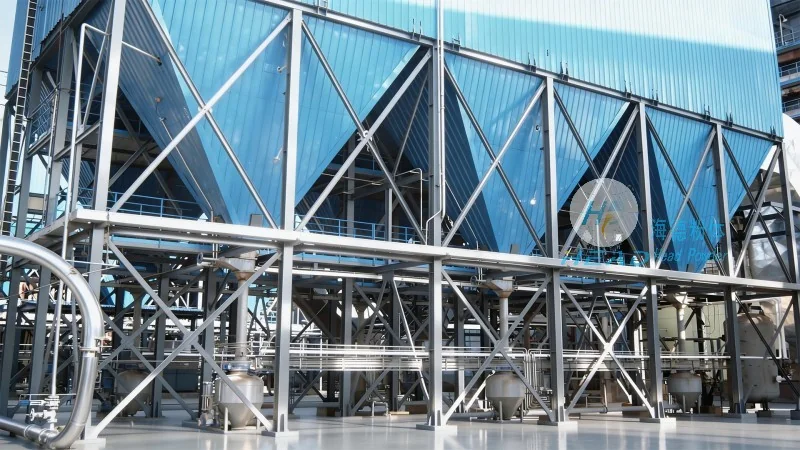
Understanding the Rice Husk Ash Pneumatic Conveying System
The rice husk ash pneumatic conveying system is a technology that uses compressed air or other gases to transport particulate materials like rice husk ash through a pipeline network. Unlike traditional mechanical conveyors, this system eliminates the need for moving parts in contact with the material, reducing wear and maintenance costs. The system typically consists of a hopper for material storage, a feeder to control the flow rate, a compressor to generate the necessary air pressure, and a pipeline system to deliver the material to its destination. The entire setup is engineered to handle the unique characteristics of rice husk ash, such as its light weight, abrasive nature, and potential for dust generation.
Key Components and Their Functions
Each component of the rice husk ash pneumatic conveying system plays a critical role in ensuring efficient operation. The material hopper is designed to store the rice husk ash and maintain a consistent feed level, preventing blockages and ensuring a steady supply. The feeder, often a rotary valve or a screw feeder, regulates the flow of material into the system, controlling the air-to-material ratio to optimize conveying efficiency. The compressor, which can be a positive displacement or centrifugal type, generates the required air pressure to move the material through the pipeline. The pipeline itself is constructed from materials resistant to corrosion and abrasion, such as stainless steel or special alloys, to withstand the harsh conditions of rice husk ash transport. Additionally, the system may include filters and cyclones to separate the ash from the air stream, ensuring clean air discharge and preventing dust accumulation in the system.

Design Principles for Optimal Performance
The design of a rice husk ash pneumatic conveying system follows several key principles to achieve maximum efficiency and reliability. One of the primary principles is maintaining an appropriate air-to-material ratio, which balances the velocity of the air stream with the material's properties to prevent clogging or excessive energy consumption. The system's layout, including the length and diameter of the pipeline, is carefully calculated to minimize pressure drop and energy usage. The choice of compressor and feeder is also critical, as they must be matched to the material's characteristics and the system's capacity. For instance, abrasive materials like rice husk ash may require higher air velocities or specialized pipeline materials to prevent wear. Furthermore, the system's control system, which monitors pressure, flow, and material levels, ensures that operations are automated and responsive to changes in demand or material characteristics.
Applications and Benefits in Industrial Settings
Rice husk ash pneumatic conveying systems are widely used in various industrial applications, including power generation, cement production, and agricultural processing. In power plants, these systems transport ash from boilers to storage facilities, reducing the need for manual handling and improving safety. In cement plants, the ash is used as a supplementary cementitious material, and the conveying system ensures a consistent supply for blending processes. The benefits of such systems extend beyond efficiency, as they also enhance workplace safety by eliminating manual handling of dusty materials and reducing the risk of respiratory illnesses. Additionally, the systems are designed to minimize environmental impact by containing dust and preventing emissions, aligning with modern industrial sustainability goals.
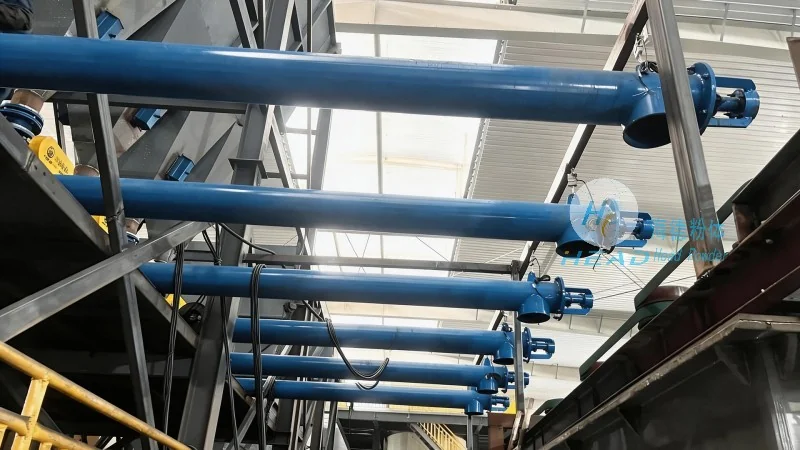
Company Overview: Shandong HeadPowder Engineering Co., Ltd.
Shandong HeadPowder Engineering Co., Ltd., a leading provider of material handling solutions, specializes in designing and manufacturing rice husk ash pneumatic conveying systems tailored to the needs of industrial clients. With a focus on innovation and quality, the company has established itself as a trusted partner in the industry, delivering systems that meet the highest standards of performance and reliability. HeadPowder's expertise lies in understanding the unique challenges of handling rice husk ash and developing solutions that address these challenges effectively. The company's facilities in Shandong, China, are equipped with advanced technology and skilled personnel to ensure that each system is customized to the client's specific requirements, whether for new installations or upgrades to existing facilities.
Conclusion
The rice husk ash pneumatic conveying system represents a sophisticated solution for the efficient and safe transport of rice husk ash in industrial settings. By leveraging the principles of pneumatic transport, this system offers significant advantages over traditional methods, including reduced maintenance, improved safety, and enhanced environmental performance. As industries continue to seek more sustainable and efficient material handling solutions, the importance of such systems will only grow. With the expertise and commitment of companies like Shandong HeadPowder Engineering Co., Ltd., the adoption of advanced pneumatic conveying systems is poised to become a standard practice in the handling of rice husk ash and other similar materials.