

What is a Gypsum Ash Pneumatic Conveying System? And What Are Its Design Principles?
Gypsum ash, a byproduct of industrial processes, often requires efficient and reliable transportation methods to move it from one location to another. A gypsum ash pneumatic conveying system offers a solution to this challenge by utilizing air as the primary medium for material transport. This system is designed to handle the unique properties of gypsum ash, ensuring safe and effective movement while minimizing operational issues.
Understanding the Gypsum Ash Pneumatic Conveying System
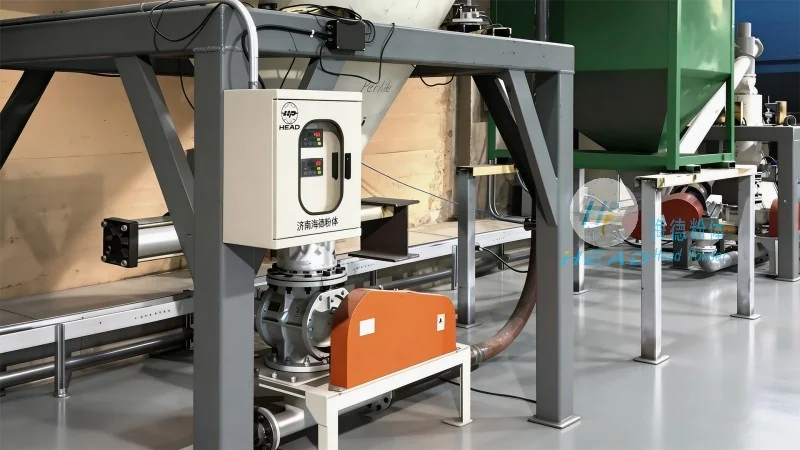
At the core of a gypsum ash pneumatic conveying system is the principle of transporting dry bulk materials using pressurized or vacuum air. The system typically consists of several key components, including a hopper for material storage, a conveyor line (either positive or negative pressure), and a receiver for the material's final destination. The design of this system is tailored to the specific characteristics of gypsum ash, such as its particle size, moisture content, and flowability, which can significantly impact the conveying efficiency and system performance.
Design Principles of the Gypsum Ash Pneumatic Conveying System
The design of a gypsum ash pneumatic conveying system involves several critical principles to ensure optimal operation. First, the system must account for the material's particle size distribution and density, as these factors influence the air velocity required for effective transport. For instance, finer particles may require higher air velocities to prevent settling or blockages in the conveying line. Second, the system's pressure and vacuum levels are carefully calculated to maintain a consistent flow rate and prevent material degradation or loss. Additionally, the system incorporates features like cyclones or filters to separate the conveyed material from the air stream, ensuring that the material reaches its destination without contamination or loss of product.
About Shandong HeadPowder Engineering Co., Ltd.
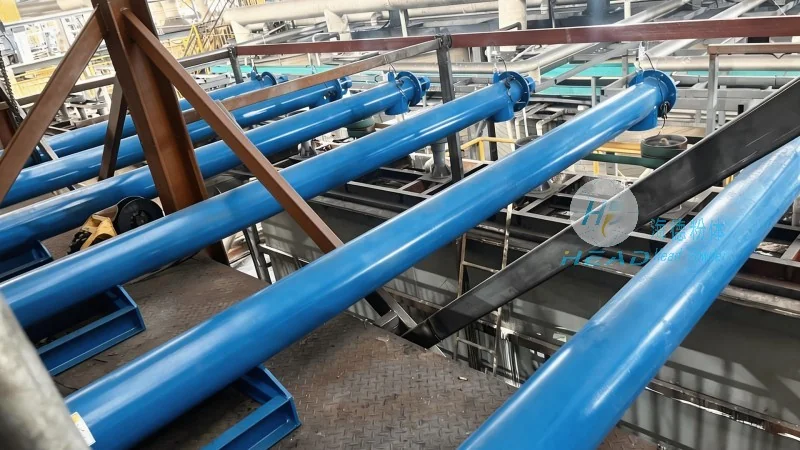
HeadPowder, or Shandong HeadPowder Engineering Co., Ltd., is a company based in China, specializing in the design and manufacturing of pneumatic conveying systems for various industrial applications. With a focus on innovation and customer-centric solutions, HeadPowder has developed expertise in handling materials like gypsum ash, which often presents unique challenges in terms of dust control, material handling, and system reliability. The company's facilities are located in Shandong, China, where it leverages advanced technology and engineering expertise to deliver high-quality, customized conveying solutions to its clients.
Key Features and Benefits of the System
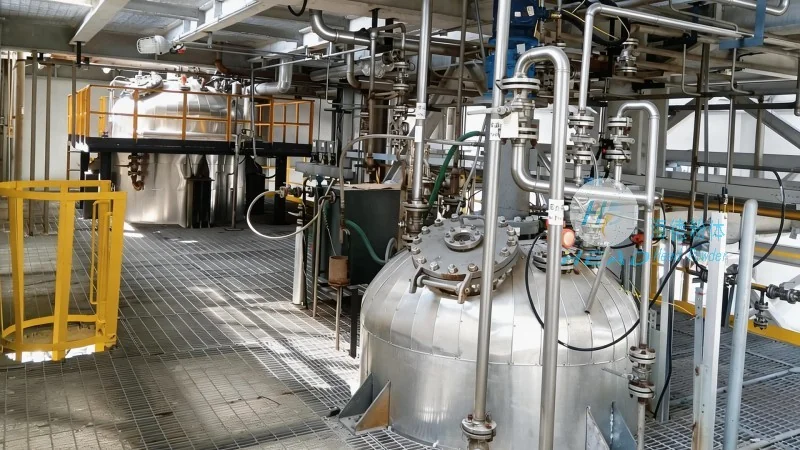
The gypsum ash pneumatic conveying system designed by HeadPowder offers several advantages over traditional methods of material transport. One of the primary benefits is the ability to transport material over long distances without the need for intermediate storage or handling points. This reduces the risk of material contamination and minimizes downtime associated with manual handling. Additionally, the system is designed to be energy-efficient, with optimized air flow and pressure levels that reduce operational costs. The use of sealed conveying lines also helps to control dust emissions, improving workplace safety and compliance with environmental regulations. Furthermore, the system's modular design allows for easy integration with existing industrial processes, making it a flexible and adaptable solution for various applications.
Conclusion
In summary, a gypsum ash pneumatic conveying system is a sophisticated and effective solution for transporting gypsum ash from one location to another. The design principles behind this system, including careful consideration of material properties, air velocity, and system pressure, ensure that the material is conveyed safely and efficiently. Companies like Shandong HeadPowder Engineering Co., Ltd. play a crucial role in developing and implementing these systems, providing customized solutions that meet the specific needs of industrial clients. By leveraging advanced engineering and technology, these systems offer significant benefits in terms of efficiency, safety, and cost-effectiveness, making them an essential component of modern industrial operations.