

What is a Potash Fertilizer Pneumatic Conveying System? And What Are Its Design Principles?
For industries dealing with potash fertilizers, efficient and reliable material handling is crucial. A potash fertilizer pneumatic conveying system is a specialized equipment solution designed to transport bulk potash fertilizer from storage to processing or packaging areas. This system utilizes air pressure or vacuum to move the material, offering advantages such as reduced dust, improved safety, and enhanced operational efficiency compared to traditional methods like belt conveyors or bucket elevators.
Key Components of a Potash Fertilizer Pneumatic Conveying System
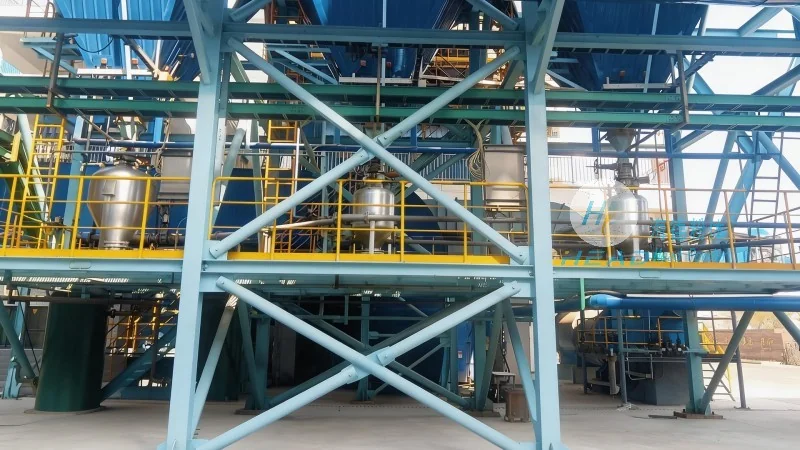
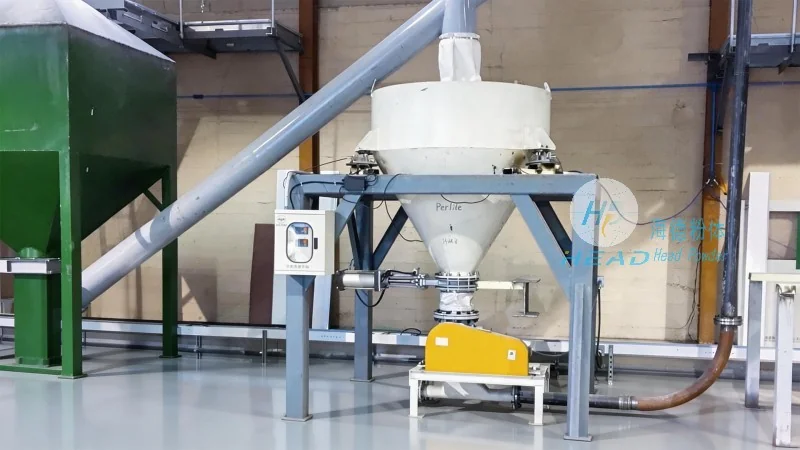
The core components of a potash fertilizer pneumatic conveying system typically include a hopper for material storage, a feeder to control the flow rate, a conveying line (often with multiple sections), a dust collector to manage airborne particles, and a receiver for the material at the destination. The system may also incorporate a blower or vacuum pump to generate the necessary air flow. Each component plays a vital role in ensuring the smooth and safe operation of the entire system.
Design Principles for Potash Fertilizer Pneumatic Conveying Systems
The design of a potash fertilizer pneumatic conveying system is tailored to the specific characteristics of the material, including its particle size, moisture content, and flowability. Engineers from Shandong HeadPowder Engineering Co., Ltd. consider factors such as the material's density, abrasiveness, and potential for caking to select appropriate equipment and system configurations. For example, the choice between positive pressure and negative pressure systems depends on the distance and height of the conveying path, as well as the material's properties. Positive pressure systems use a blower to push air and material through the line, while negative pressure systems use a vacuum pump to draw material into the line.
Advantages of Using a Potash Fertilizer Pneumatic Conveying System
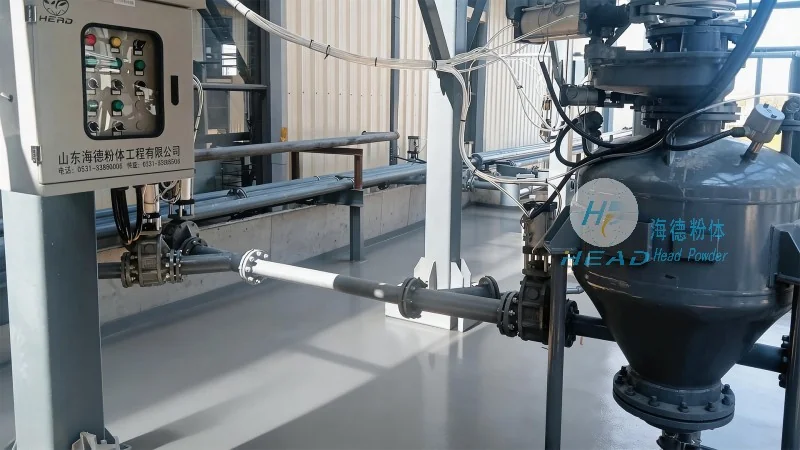
Implementing a potash fertilizer pneumatic conveying system offers several benefits for industrial operations. Firstly, it minimizes dust exposure, which is critical for maintaining a safe working environment and complying with environmental regulations. Secondly, the system reduces material loss and spillage during transport, leading to cost savings and improved product quality. Thirdly, pneumatic conveying systems can handle a wide range of potash fertilizer types and sizes, making them versatile for different production needs. Additionally, these systems are generally more compact and easier to integrate into existing facilities compared to other bulk material handling solutions.
Application Scenarios and Customization Options
Potash fertilizer pneumatic conveying systems are widely used in various stages of the fertilizer production and distribution process. They are commonly employed in the transfer of raw potash from storage silos to mixing or granulation units, as well as in moving finished products from packaging lines to storage or loading areas. The systems can be customized to meet specific operational requirements, such as varying conveying capacities, distances, or elevation changes. Shandong HeadPowder Engineering Co., Ltd. provides tailored solutions based on client needs, ensuring optimal performance and efficiency for each application.
Conclusion and Company Overview
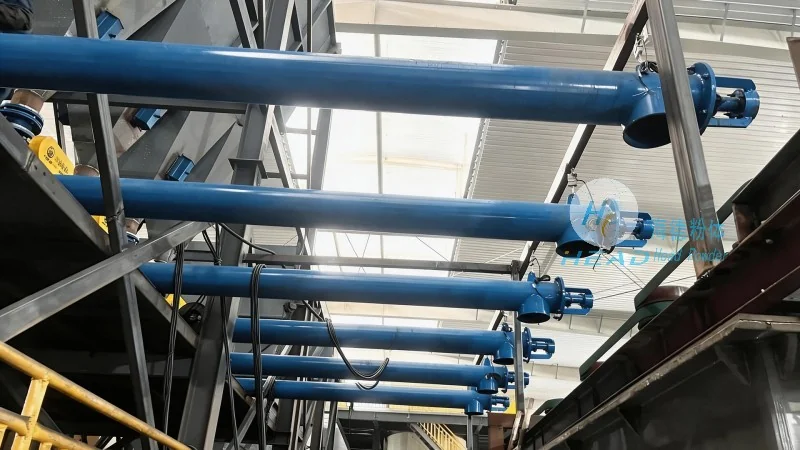
A potash fertilizer pneumatic conveying system is a sophisticated and efficient solution for bulk material handling in the fertilizer industry. By leveraging air pressure or vacuum, these systems offer significant advantages in terms of safety, cost-effectiveness, and operational flexibility. Shandong HeadPowder Engineering Co., Ltd., with its headquarters in Shandong, China, specializes in designing and manufacturing high-quality pneumatic conveying systems tailored to the unique demands of potash fertilizer processing. Their expertise ensures that clients receive reliable, durable, and customized solutions that enhance productivity and compliance in their operations.