

What is a Wool Pneumatic Conveying System? What Are Its Design Principles?
Welcome to Shandong HeadPowder Engineering Co., Ltd., a leading provider of industrial solutions for the textile and agricultural sectors. In this article, we will explore the wool pneumatic conveying system, a specialized equipment designed to efficiently transport wool and other fibrous materials. Understanding the components and design principles of such a system is crucial for optimizing material handling processes in wool processing facilities.
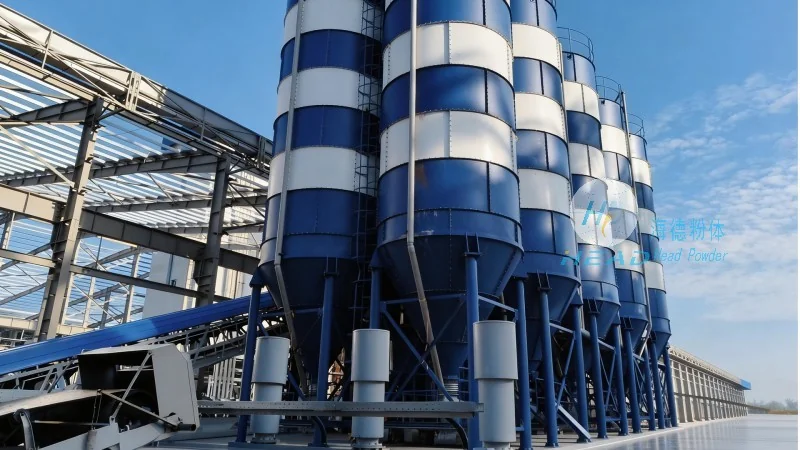
Introduction to Wool Pneumatic Conveying Systems
A wool pneumatic conveying system is a type of pneumatic transport equipment that uses compressed air to move wool and other fibrous materials from one location to another within a processing facility. This technology is widely used in the textile industry, particularly in wool processing plants, where it helps streamline the handling of raw wool from bales to processing machines. The system operates by creating a pressure differential that propels the material through a network of pipes, ensuring a clean and efficient transfer process.
Key Components of a Wool Pneumatic Conveying System
The wool pneumatic conveying system consists of several critical components that work in tandem to ensure effective material transport. These components include the material feed hopper, which holds the wool bales and feeds them into the system; the air compressor, which generates the necessary pressure for conveying; the conveying line, typically made of stainless steel or other corrosion-resistant materials to handle the fibrous nature of wool; and the discharge unit, which delivers the wool to the processing equipment. Additionally, the system may include filters and cyclones to separate any dust or debris from the wool, maintaining the quality of the material and preventing clogging in the pipes.
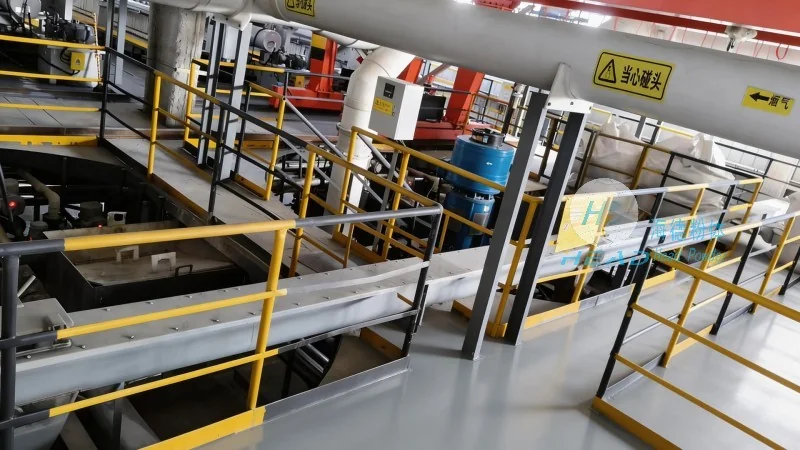
Design Principles Behind Wool Pneumatic Conveying Systems
The design of a wool pneumatic conveying system is based on several key principles to ensure optimal performance and efficiency. One of the primary principles is the use of appropriate air velocity and pressure to maintain the material in a suspended state within the conveying line. This is crucial for preventing the wool fibers from settling or clogging the pipes, which could lead to system inefficiencies or damage. The system is also designed with the specific characteristics of wool in mind, such as its fibrous nature and potential for static buildup, which may affect the flow and stability of the material during transport.
Another important design principle is the consideration of the system's capacity and the volume of wool to be transported. Engineers at Shandong HeadPowder Engineering Co., Ltd. carefully calculate the required air flow rate and pipe diameter to ensure that the system can handle the desired throughput without excessive energy consumption or pressure drop. The design also incorporates features to minimize material degradation, such as gentle handling and the use of smooth, non-abrasive pipe surfaces that prevent damage to the wool fibers.
Benefits of Using a Wool Pneumatic Conveying System
Implementing a wool pneumatic conveying system offers numerous benefits for wool processing facilities. One of the most significant advantages is the improvement in material handling efficiency, as the system can transport wool quickly and reliably from storage to processing areas, reducing labor costs and increasing production throughput. Additionally, the system provides a clean and hygienic method of transporting wool, minimizing the risk of contamination and maintaining the quality of the final product. The use of pneumatic conveying also reduces the need for manual handling, which can be hazardous and inefficient, especially when dealing with large bales of wool.
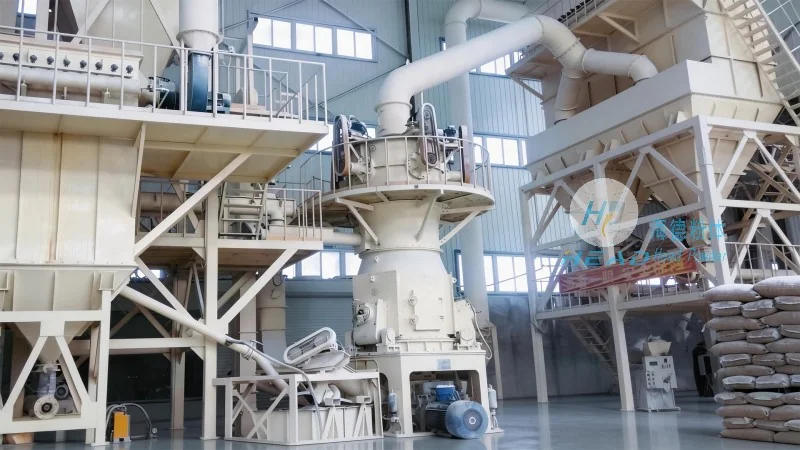
Furthermore, the wool pneumatic conveying system is designed to be flexible and adaptable to different processing requirements. It can be integrated with existing equipment and can be scaled to accommodate changes in production volume or processing needs. The system's modular design allows for easy maintenance and repair, reducing downtime and ensuring consistent performance over time. By leveraging the expertise of Shandong HeadPowder Engineering Co., Ltd., facilities can optimize their wool handling processes and achieve higher levels of efficiency and productivity.
Conclusion
In conclusion, a wool pneumatic conveying system is a sophisticated piece of equipment that plays a vital role in the efficient processing of wool. The design principles and components of such a system are carefully engineered to ensure optimal performance, reliability, and material quality. By understanding the key aspects of these systems, wool processing facilities can make informed decisions about implementing or upgrading their material handling infrastructure. Shandong HeadPowder Engineering Co., Ltd. specializes in providing customized solutions for wool pneumatic conveying systems, tailored to the specific needs of each client. With their expertise and commitment to quality, they help facilities enhance their operational efficiency and achieve sustainable growth in the textile industry.