

What is a Rice Pneumatic Conveying System? What are its Design Principles?
HeadPowder, a leading engineering company based in Shandong, China, specializes in the design and implementation of efficient pneumatic conveying systems for various bulk materials, including rice. This article delves into the fundamental aspects of rice pneumatic conveying systems, exploring their operational mechanisms and key design principles that ensure optimal performance and reliability.
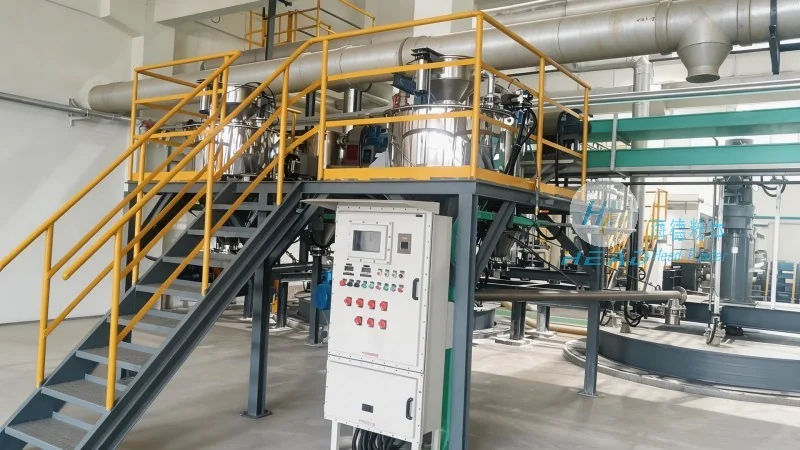
Understanding Rice Pneumatic Conveying Systems
A rice pneumatic conveying system is a technology used to transport rice and other similar bulk materials through a pipeline using compressed air. Unlike traditional mechanical conveyors, which rely on mechanical components like belts or screws, pneumatic systems utilize air pressure to move materials, offering advantages such as reduced maintenance, lower energy consumption, and the ability to handle delicate products without causing damage. The system typically consists of a hopper, a blower or air compressor, a pipeline network, and a discharge point, all working in tandem to ensure smooth material flow.
Key Components of a Rice Pneumatic Conveying System
The effectiveness of a rice pneumatic conveying system hinges on its critical components, each playing a vital role in the overall operation. The hopper, often equipped with a feeder, serves as the storage and feeding unit, ensuring a consistent supply of rice to the system. The blower or air compressor generates the necessary air pressure to move the material through the pipeline. The pipeline network, usually made of stainless steel or other corrosion-resistant materials, is designed to withstand the pressure and material flow while minimizing friction losses. Finally, the discharge point, which can be a silo, storage bin, or processing equipment, receives the conveyed rice. Each component must be carefully selected and sized to match the specific requirements of the rice handling application, ensuring optimal performance and longevity.
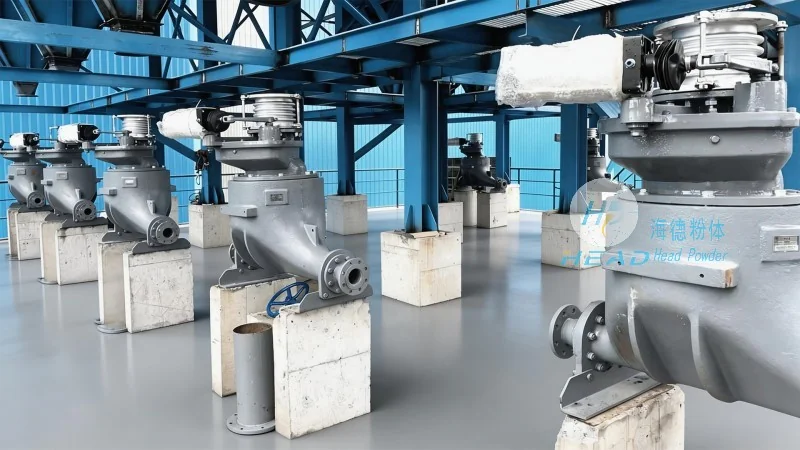
Design Principles for Efficient Rice Pneumatic Conveying
Designing an effective rice pneumatic conveying system involves adhering to several key principles that optimize material flow, energy efficiency, and system reliability. One of the primary principles is maintaining a consistent air-to-material ratio, which is crucial for preventing material blockages or excessive pressure drops. The air velocity within the pipeline must be sufficient to lift and transport the rice particles without causing excessive wear or degradation of the material. Another critical principle is the proper sizing of the pipeline and components, as undersized pipes can lead to pressure losses and material buildup, while oversized pipes may result in unnecessary energy consumption. Additionally, the system should be designed with flexibility in mind, allowing for adjustments based on changes in rice characteristics or processing requirements. Proper maintenance and monitoring of the system are also essential to ensure long-term performance and minimize downtime.
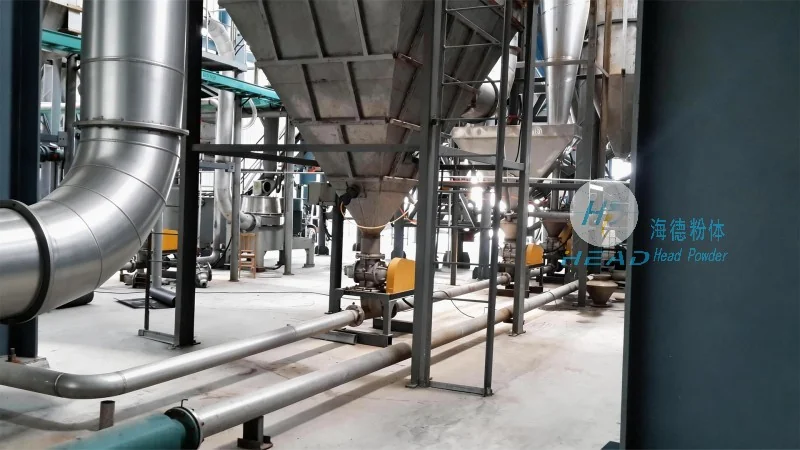
Benefits of Using a Rice Pneumatic Conveying System
Implementing a rice pneumatic conveying system offers numerous benefits for rice processing facilities. These systems provide a clean and hygienic method of material handling, as they are enclosed and do not expose the rice to external contaminants. This is particularly important in food processing applications where product quality and safety are paramount. Additionally, pneumatic systems are highly versatile, capable of transporting rice over long distances and through complex layouts without the need for multiple transfer points. They also offer significant cost savings compared to traditional mechanical conveyors, as they require less maintenance and energy to operate. Furthermore, the ability to handle delicate rice grains without causing breakage or damage enhances product quality and reduces waste, leading to higher overall efficiency and profitability for the facility.
Conclusion
HeadPowder, with its expertise in engineering and design, provides comprehensive solutions for rice pneumatic conveying systems. By adhering to the fundamental design principles and utilizing high-quality components, these systems ensure efficient, reliable, and cost-effective rice handling. Whether for small-scale or large-scale rice processing operations, a well-designed pneumatic conveying system from HeadPowder can significantly enhance operational efficiency and product quality. For more information on rice pneumatic conveying systems and other bulk material handling solutions, contact HeadPowder Engineering Co., Ltd. in Shandong, China.