

What is a Ceramic Powder Pneumatic Conveying System? What are its Design Principles?
For industrial applications involving the handling of ceramic powders, a specialized system known as a ceramic powder pneumatic conveying system is often employed. This technology facilitates the transport of fine ceramic particles through a pipeline using air or other gas as the conveying medium. Understanding the fundamentals of this system, including its design principles, is crucial for optimizing material handling processes in various industries such as ceramics, pharmaceuticals, and food processing.
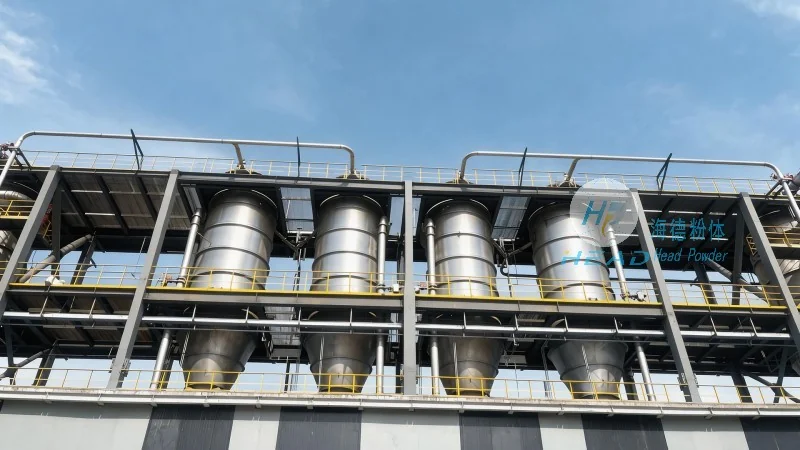
Introduction to Ceramic Powder Pneumatic Conveying Systems
A ceramic powder pneumatic conveying system is a method used to transport dry, fine ceramic powders from one location to another within an industrial setting. Unlike traditional mechanical conveying systems, which rely on physical components like belts or screws, pneumatic systems utilize the force of compressed air to move the material. This approach is particularly advantageous for handling materials that are abrasive, sensitive to moisture, or require a dust-free environment. The system typically consists of a hopper, a feeder, a pipeline, and a receiver, all working in tandem to ensure efficient and controlled material transport.
Key Components of a Ceramic Powder Pneumatic Conveying System
The effectiveness of a ceramic powder pneumatic conveying system depends on several critical components, each designed to address specific operational requirements. The hopper serves as the storage vessel for the ceramic powder, providing a consistent feed to the system. It is often equipped with a lid to prevent contamination and maintain material integrity. The feeder is responsible for controlling the flow rate of the powder into the pipeline, ensuring a steady and regulated discharge. This component is crucial for preventing clogging and maintaining system efficiency. The pipeline is the main conduit through which the powder and air mixture travels. It is typically made of materials resistant to abrasion and corrosion, such as stainless steel or special alloys, to withstand the harsh conditions of ceramic powder handling. The receiver is the final component, where the conveyed powder is deposited. It is designed to collect the material without spillage and may include features like a dust collection system to minimize environmental impact.
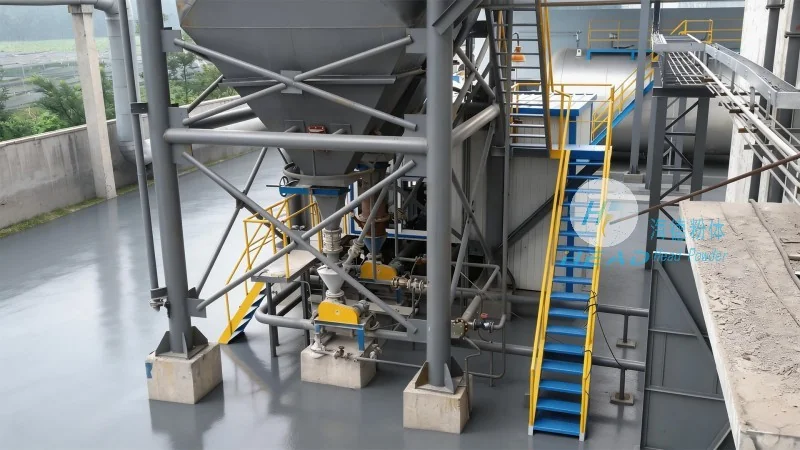
Design Principles for Efficient Ceramic Powder Pneumatic Conveying
The design of a ceramic powder pneumatic conveying system follows several key principles to ensure optimal performance and reliability. One of the primary principles is the air-to-material ratio, which refers to the proportion of air to powder in the conveying system. This ratio is critical for determining the system's capacity and efficiency. An appropriate air-to-material ratio ensures that the powder is fully suspended and transported without clogging the pipeline. Another important principle is the velocity of the air flow. The air must be moving at a sufficient speed to keep the powder particles suspended and prevent deposition. This velocity is often determined based on the particle size, density, and flow characteristics of the ceramic powder. Additionally, the system pressure plays a vital role in the design. Higher pressure can increase the conveying distance and capacity but may also lead to increased energy consumption and equipment wear. Therefore, an optimal pressure level must be selected to balance performance and operational costs.
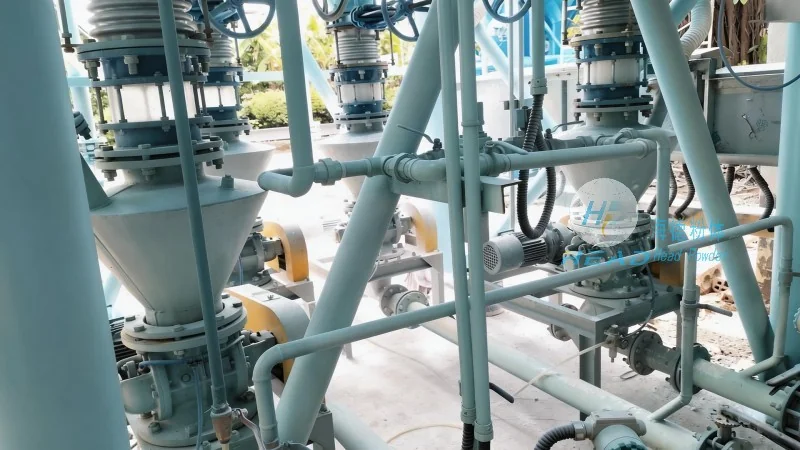
Advantages of Using Ceramic Powder Pneumatic Conveying Systems
Implementing a ceramic powder pneumatic conveying system offers several advantages over traditional conveying methods. One of the most significant benefits is the ability to handle abrasive and delicate materials without causing damage. The pneumatic system minimizes physical contact between the powder and equipment, reducing wear and tear on components. This leads to lower maintenance costs and longer equipment lifespan. Another advantage is the dust-free operation. Unlike mechanical systems that may generate dust and particulate emissions, pneumatic conveying systems are enclosed, preventing contamination and ensuring a clean working environment. This is particularly important in industries where product purity is paramount, such as pharmaceuticals and food processing. Furthermore, pneumatic systems are highly flexible and can be easily integrated into existing production lines. They can transport materials over long distances and through complex layouts, making them suitable for various industrial applications.
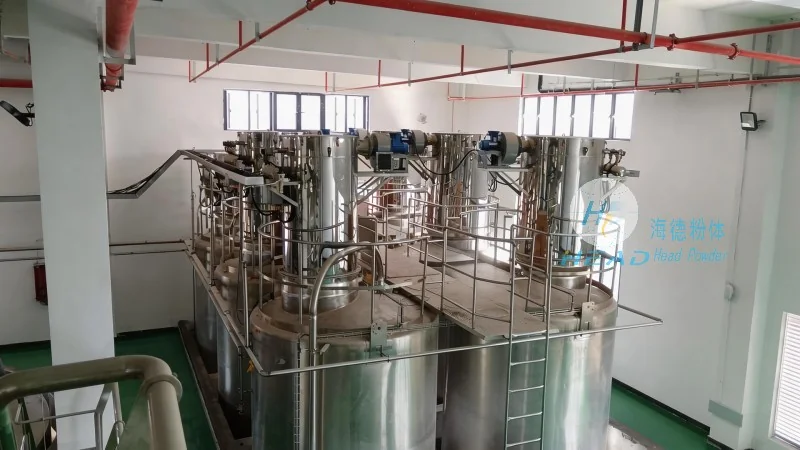
Applications of Ceramic Powder Pneumatic Conveying Systems
Ceramic powder pneumatic conveying systems are widely used in a range of industries due to their versatility and efficiency. In the ceramics industry, these systems are essential for transporting raw materials like clay, feldspar, and silica to production lines. They ensure a consistent supply of high-quality materials, which is critical for maintaining product consistency and quality. In the pharmaceutical industry, pneumatic conveying is used to handle fine powders such as active pharmaceutical ingredients (APIs) and excipients. The enclosed system prevents cross-contamination and ensures compliance with stringent regulatory standards. Similarly, in the food processing industry, these systems are employed to transport ingredients like spices, powders, and additives. The dust-free operation and hygienic design of the system meet the strict sanitary requirements of food production. Other applications include the handling of powders in the chemical and metal processing industries, where the system's ability to handle abrasive and corrosive materials is advantageous.
Conclusion and Company Overview
Ceramic powder pneumatic conveying systems are a sophisticated and efficient solution for handling fine ceramic powders in industrial settings. By understanding the design principles and key components, industries can optimize their material handling processes, reduce costs, and improve product quality. As a leading provider in this field, Shandong HeadPowder Engineering Co., Ltd. specializes in designing and manufacturing customized pneumatic conveying systems tailored to the specific needs of clients. With a focus on quality and innovation, the company ensures that its systems meet the highest standards of performance and reliability. Based in Shandong, China, HeadPowder has established itself as a trusted partner for businesses seeking reliable and efficient material handling solutions. Whether for short or long-distance transport, the ceramic powder pneumatic conveying system offers a robust and adaptable approach to managing ceramic powders, contributing to the overall efficiency and success of industrial operations.