

Cement Dust Pneumatic Conveying: Understanding the Process and Design Principles
When it comes to handling bulk materials like cement dust, efficient and reliable transportation systems are crucial for industrial operations. Pneumatic conveying, a method that uses air to move powders and granules, has emerged as a preferred solution in many sectors. This article delves into the world of cement dust pneumatic conveying, exploring what it entails and the underlying design principles that make it effective.
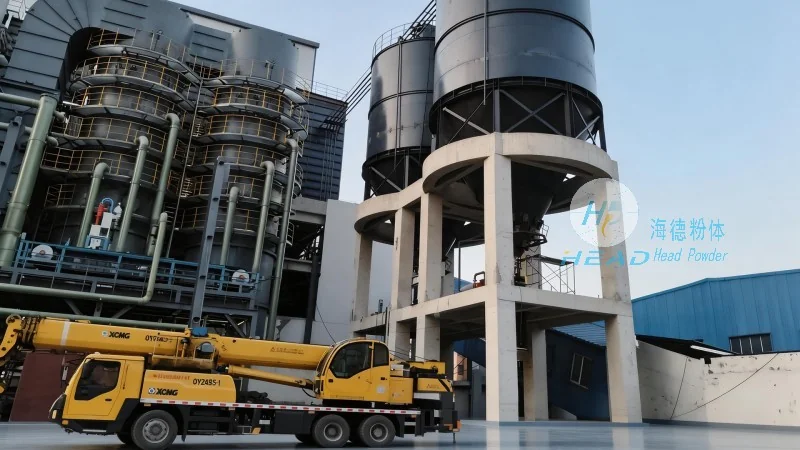
Cement Dust Pneumatic Conveying: An Overview
Pneumatic conveying, also known as air conveying, is a technology that transports solid materials through a pipeline using compressed air. In the context of cement dust, this method is particularly valuable due to the material's fine particle size and potential for dust explosion risks. Traditional methods like belt conveyors or bucket elevators may not be suitable for such delicate and hazardous materials, making pneumatic systems a safer and more efficient alternative.
The Design Principles of Cement Dust Pneumatic Conveying
The success of a cement dust pneumatic conveying system hinges on several key design principles. First, the system must ensure proper air flow and pressure to maintain the material's suspension. This involves selecting appropriate air velocities and pressure levels to prevent particle settling or blockages. Second, the design must consider the material's properties, such as its density, moisture content, and flowability, to optimize the conveying process. Third, the system should incorporate features that minimize dust emissions and ensure environmental compliance, as cement dust is a regulated material in many regions. Additionally, the layout of the conveying lines, including the number of bends, vertical and horizontal runs, and the placement of components like cyclones and filters, plays a critical role in maintaining system efficiency and preventing wear and tear.
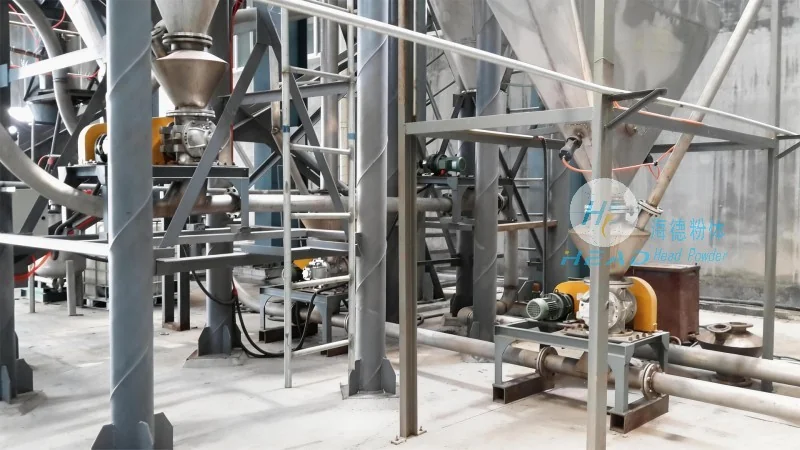
Key Components in Cement Dust Pneumatic Conveying Systems
Several components work together to form a complete cement dust pneumatic conveying system. The primary components include the material feed hopper, which holds the cement dust and feeds it into the system; the air compressor, which provides the necessary pressure and airflow; the conveying line, which transports the material; and the separation equipment, such as cyclones or filters, which separates the material from the air at the end of the line. In some systems, additional components like rotary valves, which control the flow of material from the hopper, or pulse jets, which clean the filter media, may be included to enhance performance. Each component must be carefully selected and sized to ensure the system operates efficiently and reliably, especially when handling fine and abrasive cement dust.
Benefits of Using Cement Dust Pneumatic Conveying
Implementing a pneumatic conveying system for cement dust offers numerous advantages over traditional methods. One of the most significant benefits is improved safety. By containing the material within a closed system, the risk of dust explosions and inhalation hazards is greatly reduced. This is particularly important in industrial settings where cement dust can be a fire or health hazard. Another advantage is enhanced efficiency. Pneumatic systems can transport materials over longer distances and at higher speeds compared to other methods, reducing downtime and increasing productivity. Additionally, the closed system design minimizes material loss and contamination, ensuring the quality of the cement dust remains consistent. Finally, the flexibility of pneumatic systems allows for easy integration with existing production lines and the ability to adjust conveying rates as needed, providing operational flexibility for industrial processes.
Applications of Cement Dust Pneumatic Conveying
Cement dust pneumatic conveying is widely used in various industries that handle cement and other fine powders. In the cement manufacturing industry, it is used to transport raw materials like limestone and clay from storage silos to the grinding mills. In the construction industry, it is employed to move cement from storage facilities to mixing plants or job sites. Additionally, in the chemical and pharmaceutical industries, similar systems are used to handle other fine powders, such as chemicals or pharmaceuticals, where dust control and material integrity are critical. The versatility of pneumatic conveying makes it suitable for a wide range of applications, from small-scale operations to large industrial plants.
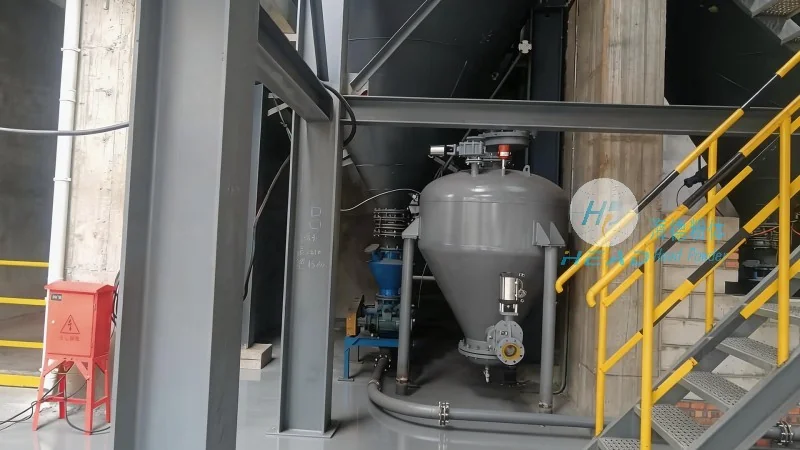
Choosing the Right Pneumatic Conveying System for Cement Dust
When selecting a pneumatic conveying system for cement dust, several factors must be considered to ensure optimal performance. First, the system must be designed to handle the specific properties of cement dust, including its particle size distribution, moisture content, and flowability. Second, the system should be able to operate under the required pressure and airflow conditions to achieve the desired conveying rate. Third, the system must incorporate features that ensure safety and compliance with environmental regulations, such as dust collection and filtration systems. Fourth, the system should be durable and low-maintenance, as cement dust can be abrasive and cause wear on components. Finally, the system should be cost-effective, balancing initial investment with long-term operational costs. Consulting with experienced engineers and manufacturers, such as Shandong HeadPowder Engineering Co., Ltd., can help in selecting the right system that meets these requirements and ensures reliable operation.
Conclusion
Cement dust pneumatic conveying is a sophisticated and effective method for transporting fine materials like cement dust. By understanding the design principles and key components of such systems, industries can improve safety, efficiency, and productivity. The choice of a suitable system depends on various factors, including material properties, operational requirements, and safety regulations. With proper design and implementation, pneumatic conveying systems can provide long-term benefits and contribute to the smooth operation of industrial processes. Shandong HeadPowder Engineering Co., Ltd., a leading provider of engineering solutions in China, offers expertise and products tailored to the needs of cement dust handling, helping businesses achieve their operational goals while maintaining safety and compliance.