

What is Calcined Fly Ash Pneumatic Conveying? What Are the Design Principles?
Calcined fly ash pneumatic conveying is a specialized industrial process used to transport calcined fly ash, a byproduct of coal combustion, from one location to another using a pressurized air or gas stream. This method offers an efficient and flexible solution for handling the fine, abrasive particles that characterize calcined fly ash, which is often used in construction materials, cement production, and other industrial applications.
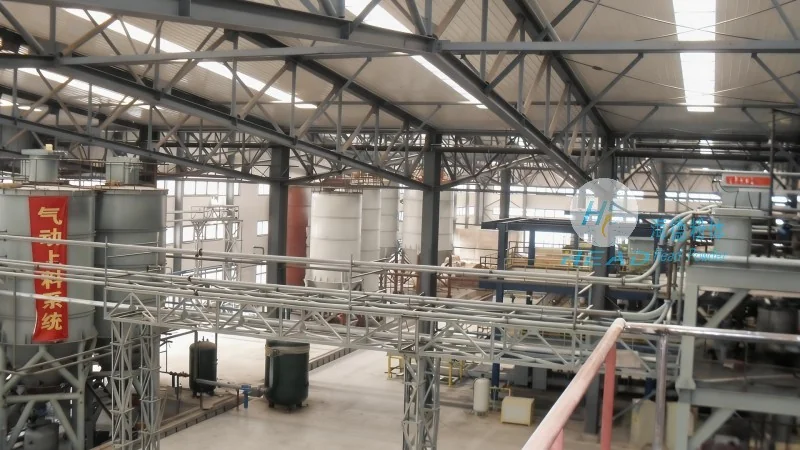
Understanding Calcined Fly Ash and Its Handling Challenges
Calcined fly ash, also known as activated or pozzolanic fly ash, is produced by heating raw fly ash at high temperatures to remove moisture and volatiles, thereby enhancing its reactivity. This material is typically fine, with a particle size distribution that can range from sub-micron to several microns. Handling such materials presents unique challenges due to their high abrasiveness, tendency to agglomerate, and potential for dust generation. Traditional bulk material handling methods, such as belt conveyors or screw conveyors, may not be suitable for calcined fly ash due to the risk of equipment wear and material degradation.
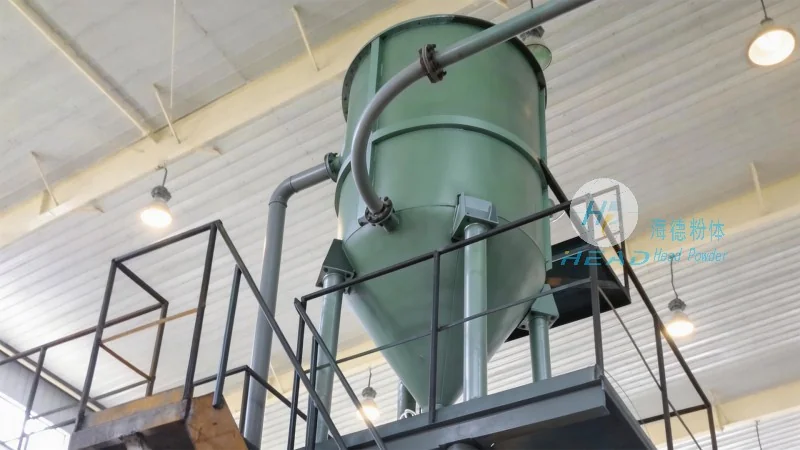
The Core Principle of Pneumatic Conveying
Pneumatic conveying operates on the principle of transporting bulk materials by suspending them in a moving air or gas stream. In the case of calcined fly ash, this involves creating a pressure differential between the source and destination points. The system typically consists of a hopper or feeder to feed the material into the conveying line, a blower or compressor to generate the necessary air pressure, and a pipeline network to transport the material. The material is carried through the pipeline as a slurry or suspension, with the air stream providing the kinetic energy to move the particles. This method allows for the continuous, enclosed transport of calcined fly ash, minimizing dust exposure and environmental impact.
Key Design Principles for Calcined Fly Ash Pneumatic Conveying Systems
The design of an effective calcined fly ash pneumatic conveying system requires careful consideration of several critical factors to ensure optimal performance, efficiency, and longevity. These principles include:
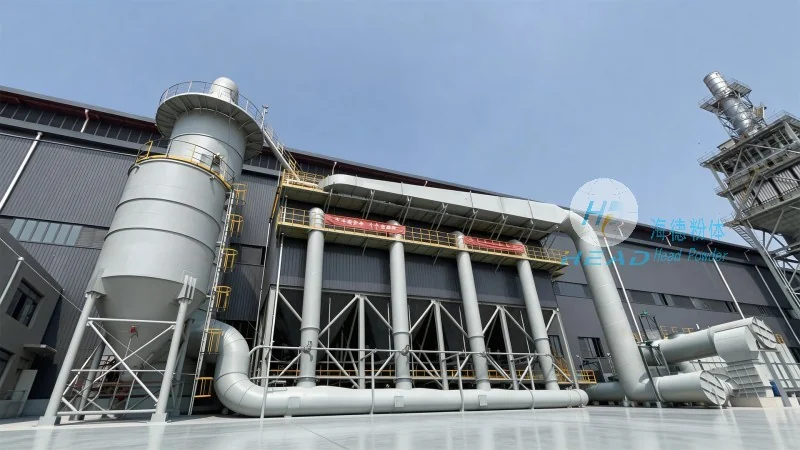
- Material Characteristics and Flowability: The physical properties of calcined fly ash, such as its particle size, density, and moisture content, directly impact the system's design. For example, finer particles may require higher air velocities to maintain suspension, while higher moisture content can affect the material's flowability and increase the risk of blockages.
- System Pressure and Air Velocity: The pressure and air velocity in the conveying line are critical parameters that determine the system's capacity and efficiency. Higher pressures and velocities can increase the conveying capacity but may also lead to higher energy consumption and increased wear on equipment. Engineers must balance these factors to achieve the desired throughput while minimizing operational costs.
- Pipeline Sizing and Layout: The diameter and length of the conveying pipeline are crucial for maintaining the material's suspension and preventing blockages. The layout of the pipeline, including bends, elbows, and expansion joints, must be designed to minimize pressure losses and avoid areas where particles can settle or agglomerate. Properly sized and positioned pipeline components are essential for ensuring smooth material flow.
- Equipment Selection and Material Compatibility: The choice of equipment, such as hoppers, feeders, blowers, and filters, must be compatible with the abrasive and corrosive nature of calcined fly ash. Materials like stainless steel, special alloys, or wear-resistant coatings are often used to protect equipment from wear and corrosion. Additionally, the selection of components that can handle high temperatures and pressures is essential for long-term system reliability.
- Control and Monitoring Systems: Modern pneumatic conveying systems incorporate advanced control and monitoring technologies to optimize performance and prevent issues. These systems may include pressure sensors, flow meters, and automatic control valves that adjust the air flow and material feed rate in real-time. Monitoring the system's performance allows operators to detect and address potential problems, such as blockages or pressure drops, before they cause significant downtime.
Advantages of Calcined Fly Ash Pneumatic Conveying
Compared to traditional bulk handling methods, calcined fly ash pneumatic conveying offers several advantages that make it an attractive solution for industrial applications: