

What is Lithium Oxide Pneumatic Conveying? What Are Its Design Principles?
Understanding lithium oxide pneumatic conveying systems is crucial for industries dealing with this specific chemical. This article explores the fundamental concepts behind such systems, focusing on their design principles and the technical aspects that ensure efficient material handling. The information provided is tailored to help professionals in related fields gain a comprehensive understanding of the technology, with emphasis on practical applications and engineering considerations.
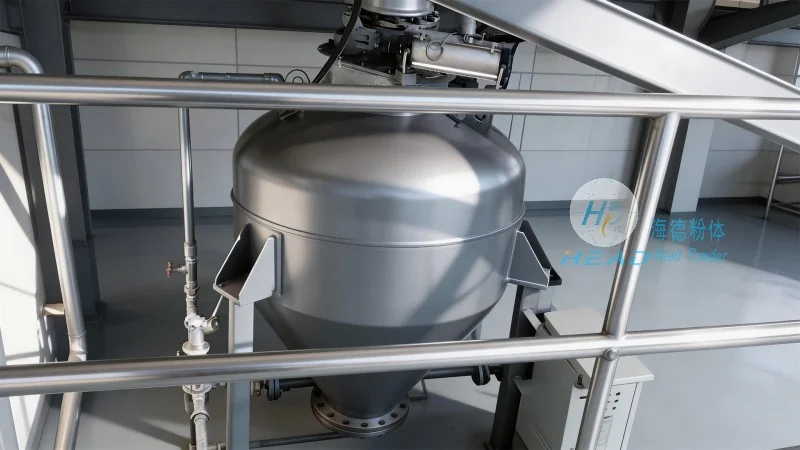
Lithium Oxide Pneumatic Conveying: An Overview
Lithium oxide, a key chemical compound often used in various industrial processes, requires specialized handling methods to ensure safety and efficiency. Pneumatic conveying is a widely adopted technique for transporting lithium oxide and other similar powders. This method involves the use of air or other gases to move the material through a pipeline system. The primary advantage of pneumatic conveying for lithium oxide is its ability to handle delicate or abrasive materials without causing degradation or contamination. It also offers a flexible and scalable solution for material transport, making it suitable for different production scales and operational needs.
Design Principles of Lithium Oxide Pneumatic Conveying Systems
The design of a lithium oxide pneumatic conveying system is based on several critical principles that ensure optimal performance and safety. These principles include the selection of appropriate air velocity, pipeline diameter, and system pressure. The air velocity must be sufficient to overcome the resistance of the material and the pipeline, while avoiding excessive pressure drops that could lead to material deposition or system inefficiencies. The pipeline diameter is another critical factor, as it directly impacts the system's capacity and the risk of blockages. Engineers typically use established formulas and empirical data to determine the optimal diameter for a given application, considering factors such as material density, flow rate, and particle size.
System pressure is also a key design consideration. High-pressure systems are often used for long-distance or high-capacity conveying, while low-pressure systems are suitable for shorter distances or less demanding applications. The choice of pressure depends on the specific requirements of the process, including the distance between the source and destination, the volume of material to be transported, and the desired flow rate. Additionally, the design must account for the potential for material buildup or blockages, which can be mitigated through the use of appropriate fittings, valves, and cleaning mechanisms. The system may also include components such as cyclones, filters, and dust collectors to ensure that the material is transported efficiently and that the air is cleaned before being released back into the environment.
Key Components and Their Roles in Lithium Oxide Pneumatic Conveying
A lithium oxide pneumatic conveying system consists of several key components, each playing a vital role in the overall operation. The primary components include the material feed system, the conveying pipeline, the air supply system, and the collection or discharge equipment. The material feed system is responsible for introducing the lithium oxide into the system, typically using a hopper or a rotary valve. This component must be designed to prevent material bridging or segregation, which can affect the flow rate and system performance. The conveying pipeline is the main channel through which the material and air travel, and it must be constructed from materials that are compatible with lithium oxide to avoid chemical reactions or corrosion.
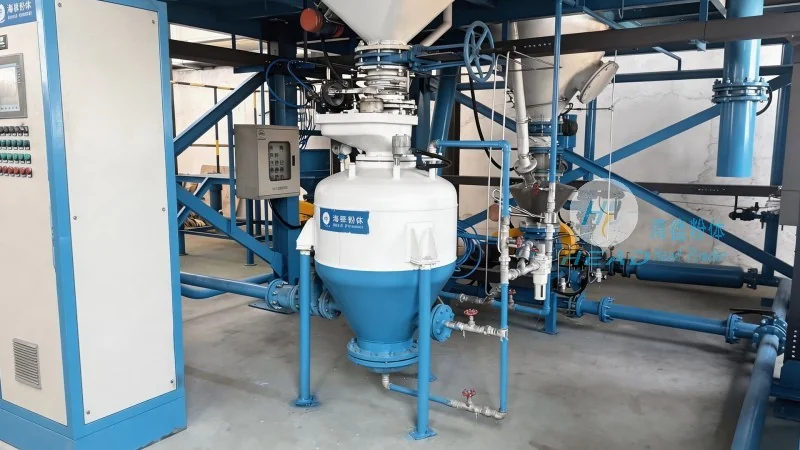
The air supply system provides the necessary pressure and volume of air to move the material. This system typically includes a blower or a compressor, along with a filter to remove any contaminants from the air. The air is then directed into the pipeline, where it mixes with the lithium oxide and propels it forward. The collection or discharge equipment is located at the end of the pipeline and is responsible for separating the material from the air. This component may include a cyclone separator, a bag filter, or a dust collector, depending on the system design and the specific requirements of the application. The separated material is then collected and transferred to the next stage of the process, while the air is cleaned and either recycled or released.
Engineering Considerations and Best Practices
When designing and implementing a lithium oxide pneumatic conveying system, several engineering considerations must be taken into account to ensure safety, efficiency, and longevity. One of the most important considerations is material compatibility. Lithium oxide is a reactive chemical, and the system components must be made from materials that can withstand its corrosive properties. Common materials used for pipeline construction include stainless steel, polyethylene, or specialized coatings that resist chemical attack. The choice of material also affects the system's maintenance requirements and overall cost.
Another critical consideration is the risk of dust explosions. Lithium oxide, like many other powders, can form explosive mixtures with air under certain conditions. To mitigate this risk, the system must be designed with explosion-proof components and appropriate venting or suppression systems. This includes using spark-resistant motors, installing explosion-proof valves, and incorporating dust explosion suppression systems. Additionally, the system should be equipped with proper ventilation and dust collection to maintain a safe working environment.
System maintenance and monitoring are also essential for the long-term performance of a lithium oxide pneumatic conveying system. Regular inspections and maintenance of components such as the blower, filters, and pipeline fittings are necessary to prevent blockages and ensure consistent performance. Monitoring tools, such as pressure sensors and flow meters, can help detect issues early and allow for timely adjustments. Proper training for operators and maintenance personnel is also crucial to ensure that the system is operated and maintained according to best practices.
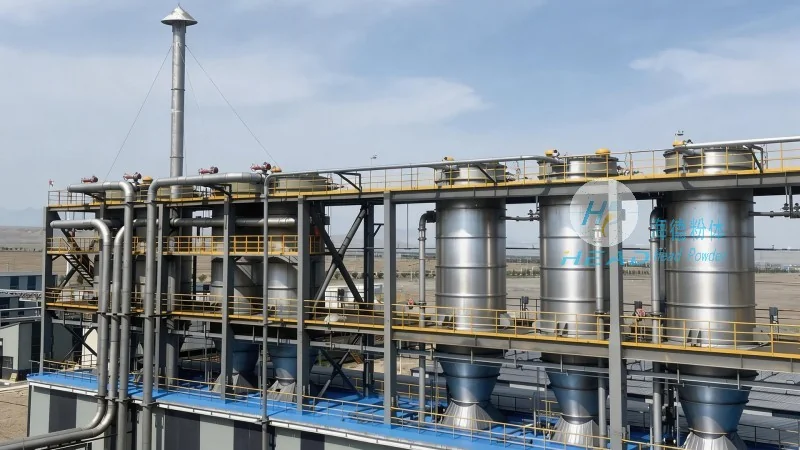
Applications and Benefits of Lithium Oxide Pneumatic Conveying
Lithium oxide pneumatic conveying systems are widely used in various industries due to their versatility and efficiency. These systems are commonly employed in the chemical, pharmaceutical, and food processing industries, where the handling of powders requires precision and safety. In the chemical industry, lithium oxide is often used as a raw material in the production of lithium-based products, such as lithium batteries and ceramics. The pneumatic conveying system allows for the safe and efficient transport of lithium oxide from storage facilities to production lines, minimizing the risk of exposure and contamination.
In the pharmaceutical industry, the handling of lithium oxide is critical due to its potential health effects. Pneumatic conveying systems are used to transport the material in a controlled environment, ensuring that it is handled in a clean and sterile manner. This is particularly important when the lithium oxide is used in the production of medications or other pharmaceutical products. The system's ability to maintain a dust-free environment and prevent cross-contamination makes it an ideal choice for such applications.
The benefits of lithium oxide pneumatic conveying extend beyond safety and efficiency. These systems offer a flexible and scalable solution for material transport, allowing companies to adapt to changing production needs without significant modifications. They also reduce the need for manual handling, which can improve workplace safety and reduce labor costs. Additionally, the system's ability to handle long distances and multiple destinations makes it suitable for large-scale operations, where material transport is a critical part of the production process.
Conclusion
Lithium oxide pneumatic conveying is a sophisticated and effective method for handling this important chemical. The design principles and components of such systems are carefully engineered to ensure safety, efficiency, and reliability. By understanding the key aspects of these systems, professionals in the industry can make informed decisions about their implementation and operation. As technology advances, the design and performance of lithium oxide pneumatic conveying systems will continue to improve, offering even greater benefits to industries that rely on this technology. The information provided in this article serves as a valuable resource for anyone seeking to learn more about this critical aspect of material handling.