

What is Activated Carbon Pneumatic Conveying? What Are Its Design Principles?
Activated carbon pneumatic conveying is a specialized method used in industrial processes to transport activated carbon, a highly porous carbon material widely utilized for its adsorption properties in various applications such as air purification, water treatment, and chemical processing. This technology involves the use of air or other gases to move the solid particles of activated carbon through a pipeline system, enabling efficient and controlled material handling. Understanding the fundamentals of this process, including its design principles, is crucial for optimizing performance and ensuring operational efficiency in industrial settings.
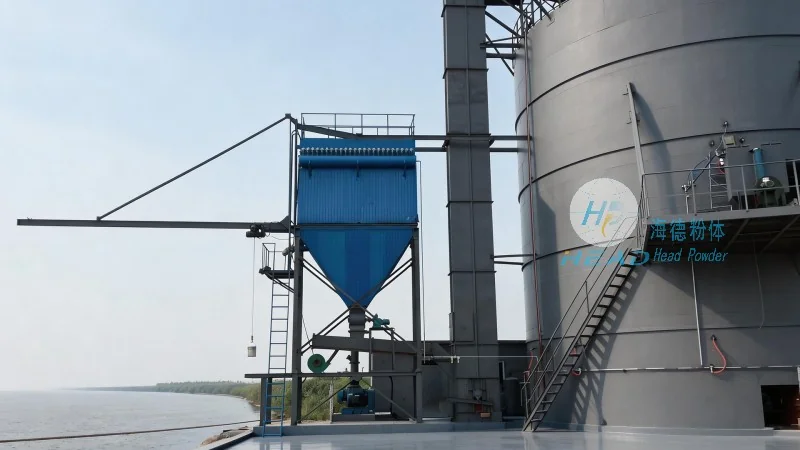
The Fundamental Principles of Pneumatic Conveying for Activated Carbon
The core of activated carbon pneumatic conveying lies in the interaction between the solid particles and the moving gas stream. The process typically operates under either positive or negative pressure, depending on the specific system design. In positive pressure systems, air is forced through the pipeline, carrying the activated carbon particles forward. Conversely, negative pressure systems create a vacuum that draws the material into the pipeline. The velocity of the gas, the size and density of the activated carbon particles, and the system's pressure differential all play critical roles in determining the conveying efficiency and system performance. Proper design ensures that the particles are suspended and transported without excessive wear or degradation, maintaining the material's quality and effectiveness for downstream applications.
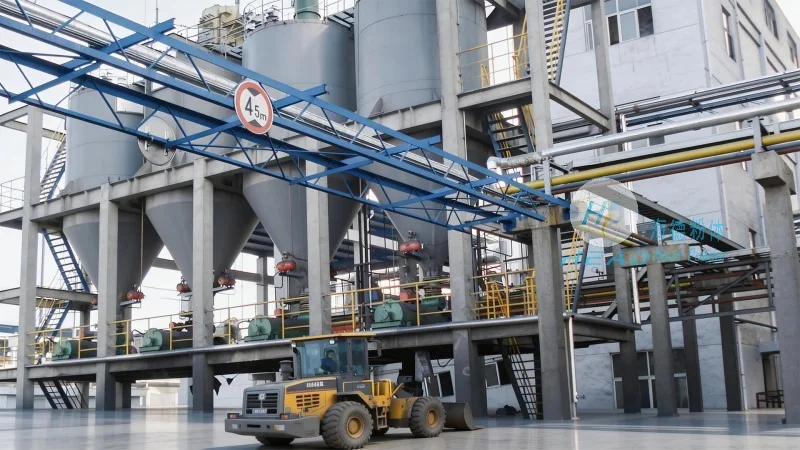
Key Design Principles for Activated Carbon Pneumatic Conveying Systems
Designing an effective activated carbon pneumatic conveying system requires careful consideration of several key factors to ensure reliable operation and optimal performance. The selection of the appropriate conveying method—whether it's dilute phase or dense phase—depends on the material characteristics and the distance to be transported. Dilute phase systems, which use high-velocity air to suspend particles, are suitable for short to medium distances and low to medium particle loads. Dense phase systems, on the other hand, operate at lower velocities and higher particle concentrations, making them ideal for longer distances and handling larger quantities of material. The pipeline layout, including the number of bends, vertical sections, and expansion joints, must be optimized to minimize pressure losses and prevent particle deposition. Additionally, the use of appropriate filters and cyclones at the receiving end is essential to separate the activated carbon from the gas stream and prevent contamination. The system's control mechanisms, such as pressure sensors, flow meters, and variable speed drives, are critical for maintaining consistent operation and adapting to changes in material feed rates or system conditions.
About Shandong HeadPowder Engineering Co., Ltd.
Shandong HeadPowder Engineering Co., Ltd., commonly known as HeadPowder, is a leading provider of engineering solutions for material handling and processing systems. With a focus on innovative and efficient technologies, the company specializes in the design, manufacturing, and implementation of pneumatic conveying systems, including those for activated carbon. HeadPowder's expertise lies in understanding the unique properties of different materials and tailoring systems to meet specific customer requirements. The company's facilities are located in Shandong, China, where it leverages advanced manufacturing capabilities and a team of experienced engineers to deliver high-quality products and services. By combining technical knowledge with practical application, HeadPowder aims to enhance operational efficiency and reduce costs for its clients in various industries.
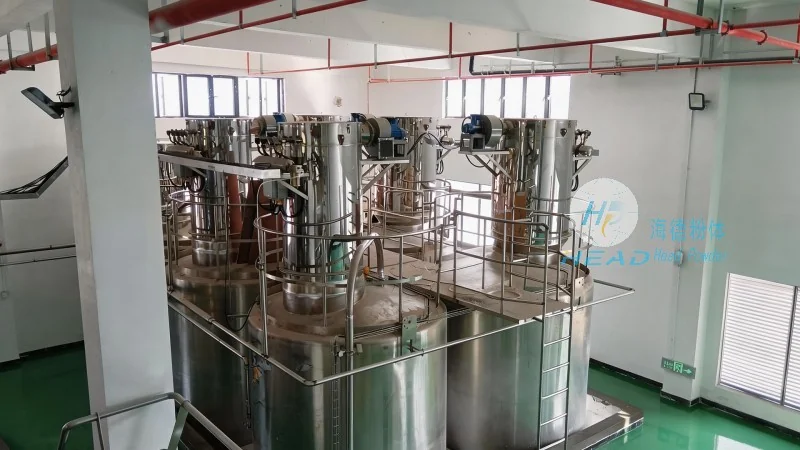
The Importance of Proper Design in Activated Carbon Pneumatic Conveying
Proper design of activated carbon pneumatic conveying systems is essential for achieving reliable and efficient material transport. The design process involves a thorough analysis of the material's physical and chemical properties, the required conveying distance, and the operational conditions. Engineers must consider factors such as particle size distribution, density, and moisture content, as these characteristics directly impact the system's performance. Additionally, the system's integration with downstream processes, such as filtration or adsorption units, must be carefully planned to ensure seamless operation. By adhering to established design principles and leveraging industry expertise, companies can minimize operational issues, reduce maintenance costs, and maximize the lifespan of their equipment. In summary, a well-designed activated carbon pneumatic conveying system not only enhances material handling efficiency but also contributes to overall process reliability and cost-effectiveness.