

What is Ceramic Particle Pneumatic Conveying? What Are Its Design Principles?
Understanding the fundamentals of ceramic particle pneumatic conveying is crucial for industries dealing with high-value or sensitive materials. This method involves transporting dry, solid particles using a gas stream, typically air or other gases, through a closed system of pipes and components. The design principles behind this technology are intricate, balancing the physical properties of the ceramic particles with the dynamics of the gas flow to ensure efficient, reliable material transport.
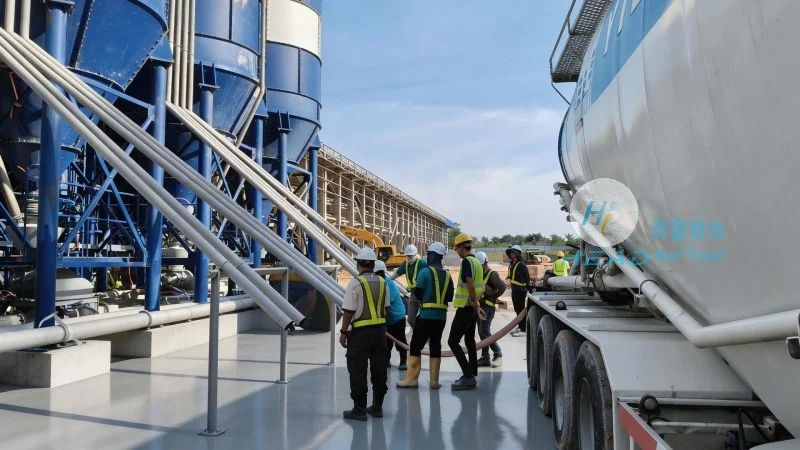
What is Ceramic Particle Pneumatic Conveying?
Ceramic particle pneumatic conveying is a specialized form of bulk material handling that utilizes compressed air or other gas to move dry ceramic powders or granules from one location to another. Unlike traditional mechanical conveying systems, which rely on belts, screws, or buckets, pneumatic conveying systems use the kinetic energy of a gas stream to lift, transport, and deposit the particles. This method is particularly suited for materials that are abrasive, fragile, or prone to dust generation, as it minimizes direct contact with equipment and reduces the risk of contamination.
Key Characteristics of Ceramic Particles in Pneumatic Conveying
The design of a ceramic particle pneumatic conveying system must account for the unique characteristics of the ceramic material being handled. Ceramic particles often have specific physical properties such as high density, irregular shapes, or varying particle sizes. These factors influence the system's performance and require careful consideration during the design phase. For instance, the density of the ceramic particles affects the required gas velocity to achieve proper suspension, while the shape and size distribution can impact the pressure drop across the system and the wear on components like elbows and filters.
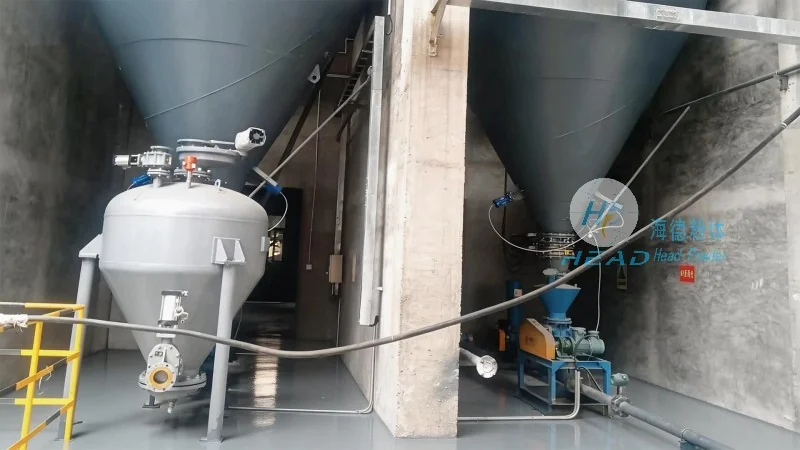
Design Principles of Pneumatic Conveying Systems
The core design principles of a ceramic particle pneumatic conveying system revolve around optimizing the interaction between the gas and the solid particles. A critical parameter is the gas-to-solid ratio, which determines the velocity of the gas stream and the resulting particle suspension. Higher gas velocities are generally needed for finer or denser ceramic particles to prevent settling and ensure smooth transport. The system design also involves selecting appropriate pipe diameters, elbows, and bends to minimize pressure losses and maintain consistent flow. Additionally, the choice of materials for the conveying components is vital, as ceramic particles can be abrasive and may cause wear on metal surfaces. Therefore, components like pipes, valves, and filters are often made from corrosion-resistant materials or lined with protective coatings to extend their service life.
Components and System Layout in Ceramic Particle Pneumatic Conveying
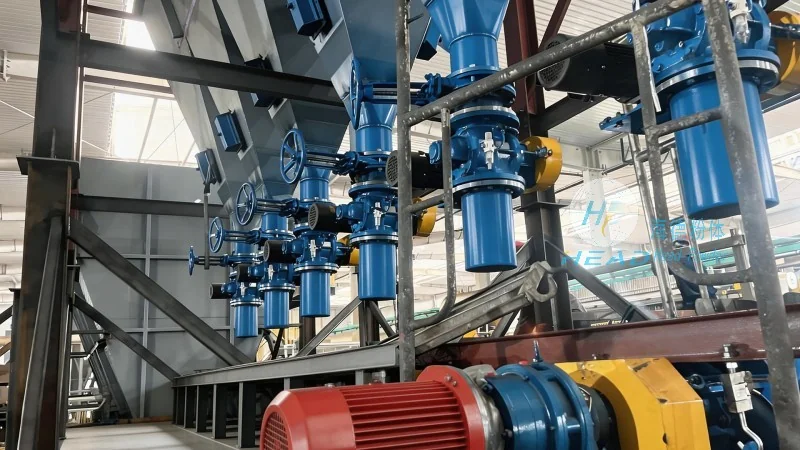
A typical ceramic particle pneumatic conveying system consists of several key components, each playing a critical role in the overall operation. The system layout is carefully planned to ensure efficient material transport while minimizing energy consumption and wear. The main components include a feeder, which introduces the ceramic particles into the system; a compressor or blower that generates the necessary air pressure; a conveying line made of durable materials to transport the particles; and a receiver or discharge unit where the material is collected. The system may also include additional components such as filters to remove dust from the exhaust air, pressure regulators to control the air flow, and control valves to manage the direction and speed of the material transport.
Applications and Benefits of Ceramic Particle Pneumatic Conveying
Ceramic particle pneumatic conveying is widely used in various industries, including ceramics manufacturing, pharmaceuticals, and food processing. The method offers several advantages over traditional conveying systems, such as reduced equipment wear, lower risk of product contamination, and the ability to handle materials in a closed system, which helps maintain product quality and safety. Additionally, pneumatic conveying systems can be designed to transport materials over long distances or through complex layouts, making them suitable for large-scale industrial operations. The efficiency and reliability of these systems make them a preferred choice for handling high-value ceramic materials where precision and cleanliness are paramount.
Shandong HeadPowder Engineering Co., Ltd. and Its Expertise in Ceramic Particle Pneumatic Conveying
Shandong HeadPowder Engineering Co., Ltd., commonly known as HeadPowder, is a leading provider of specialized material handling solutions, including advanced pneumatic conveying systems for ceramic particles. With a strong focus on innovation and customer-centric design, HeadPowder has developed comprehensive expertise in understanding the unique challenges of ceramic particle transport and has engineered solutions tailored to meet the specific needs of its clients. The company's engineers work closely with clients to analyze material properties, system requirements, and operational constraints, ensuring that the designed pneumatic conveying systems are optimized for efficiency, durability, and cost-effectiveness. HeadPowder's commitment to quality and technical excellence has made it a trusted partner for industries relying on reliable and efficient ceramic particle handling solutions.
Conclusion: The Importance of Proper Design in Ceramic Particle Pneumatic Conveying
In conclusion, ceramic particle pneumatic conveying is a sophisticated technology that requires careful consideration of both the material properties and the system design. The design principles, including the selection of appropriate gas velocities, pipe materials, and system components, are essential for achieving efficient and reliable material transport. For industries dealing with high-value ceramic materials, investing in a well-designed pneumatic conveying system can lead to significant improvements in productivity, product quality, and operational safety. As a leading provider in the field, Shandong HeadPowder Engineering Co., Ltd. continues to advance the technology and provide tailored solutions that meet the evolving needs of modern industrial applications.