

[What is Desulfurization Gypsum Pneumatic Conveying? What Are the Design Principles?]
Desulfurization gypsum, a byproduct of flue gas desulfurization in thermal power plants, is widely used in construction materials such as gypsum boards and cement. The efficient transportation of this material is crucial for industrial operations. Pneumatic conveying, a method that uses air to transport bulk materials, offers a solution for moving desulfurization gypsum from storage or processing areas to production lines. This article explores the concept of desulfurization gypsum pneumatic conveying and its underlying design principles, presented by Shandong HeadPowder Engineering Co., Ltd., a leading provider of industrial material handling solutions.
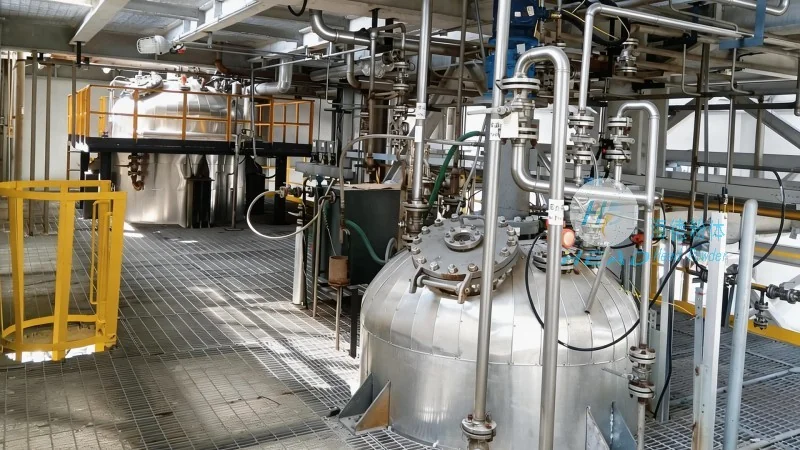
Understanding Desulfurization Gypsum
Desulfurization gypsum, also known as FGD gypsum, is produced when flue gas from coal-fired power plants is treated with limestone or lime to remove sulfur dioxide. The resulting gypsum has a high purity and is an excellent raw material for various building products. However, its handling requires specialized equipment due to its fine particle size and moisture content. Pneumatic conveying systems are particularly effective for transporting this material because they can handle dry, fine powders without the need for mechanical components that might cause blockages or contamination.
Pneumatic Conveying Basics
Pneumatic conveying systems operate by creating a pressure differential between the conveying line and the ambient air. This is achieved through positive pressure systems (where air is blown into the line) or negative pressure systems (where air is sucked out). The material is fed into the system and carried by the moving air stream to the destination. The design of the system, including the type of air mover, pipeline layout, and material feed mechanism, is critical to ensure efficient and reliable operation.
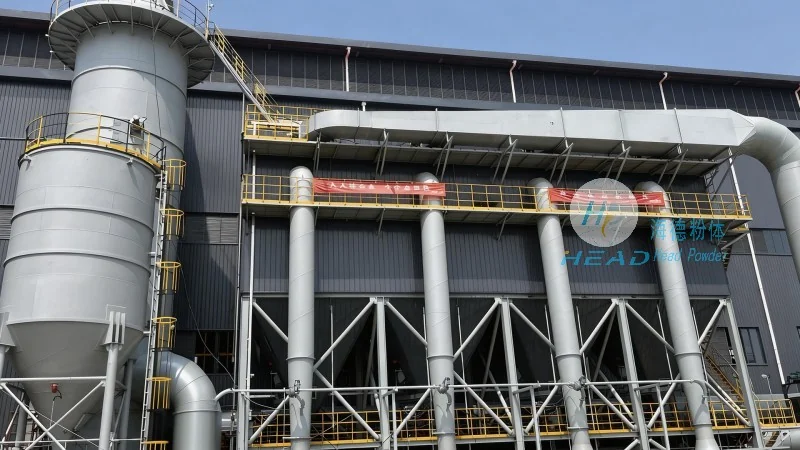
Design Principles for Desulfurization Gypsum Pneumatic Conveying
The design of a desulfurization gypsum pneumatic conveying system involves several key principles to ensure optimal performance. First, the system must be capable of handling the specific properties of desulfurization gypsum, such as its particle size distribution, moisture content, and bulk density. The pipeline diameter and length are determined based on the material's flow characteristics and the required conveying capacity. Second, the air velocity must be sufficient to prevent material settling or blockage but not excessive, which could lead to excessive energy consumption or equipment wear. Third, the system should include features to control dust and moisture, as these factors can affect the material's quality and the system's efficiency. Finally, the design must consider the overall layout of the industrial facility to minimize material handling costs and maximize operational efficiency.
Components of a Desulfurization Gypsum Pneumatic Conveying System
A typical desulfurization gypsum pneumatic conveying system consists of several key components. The material feed system, which may include a hopper or rotary valve, ensures a consistent and controlled feed of the gypsum into the conveying line. The air mover, such as a rotary lobe blower or centrifugal fan, provides the necessary air pressure and flow rate. The conveying pipeline, usually made of stainless steel or other corrosion-resistant materials, is designed to withstand the chemical and physical properties of the gypsum. The system may also include a filter or dust collector to remove any fine particles from the exhaust air, ensuring compliance with environmental regulations. Additionally, the system may incorporate a control system to monitor and adjust the conveying parameters in real-time, enhancing operational reliability.
Advantages of Pneumatic Conveying for Desulfurization Gypsum
Compared to traditional mechanical conveying methods, pneumatic conveying offers several advantages for transporting desulfurization gypsum. First, it provides a dust-free and hygienic environment, which is essential for maintaining the quality of the final product. Second, it allows for the transportation of fine powders over long distances without the need for intermediate storage or handling. Third, the system can be easily integrated with other processing equipment, such as mixers or dryers, to form a continuous production line. Finally, pneumatic conveying systems are relatively compact and can be installed in existing facilities with minimal modifications, reducing capital and operational costs.
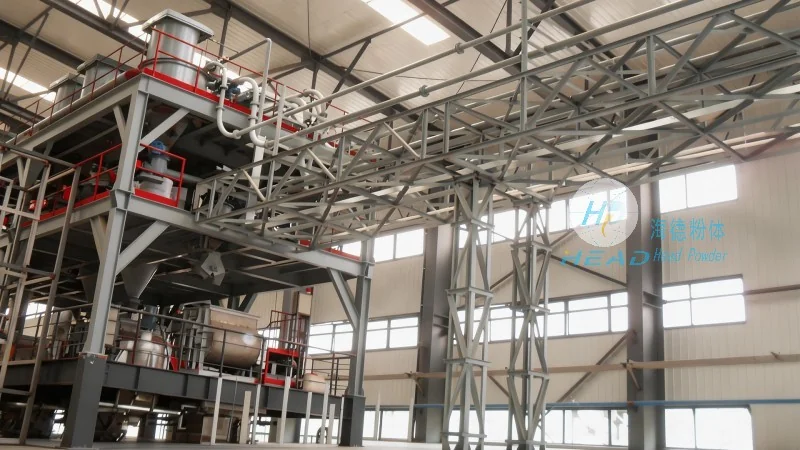
Applications and Case Studies
Desulfurization gypsum pneumatic conveying systems are widely used in the construction materials industry. For example, in a gypsum board manufacturing plant, the system can transport the gypsum from the storage silo to the production line where it is mixed with other ingredients to form the gypsum board. In another application, the system may be used to transport the gypsum to a cement plant, where it is used as an additive to improve the strength and durability of the cement. These applications demonstrate the versatility and effectiveness of pneumatic conveying systems in handling desulfurization gypsum.
Conclusion
Desulfurization gypsum pneumatic conveying is an efficient and reliable method for transporting this important industrial material. The design principles, including the handling of material properties, air velocity control, and system layout, are critical to ensuring optimal performance. The components of the system, such as the material feed, air mover, and pipeline, must be carefully selected and integrated to meet the specific requirements of the application. With proper design and operation, pneumatic conveying systems can significantly improve the efficiency and cost-effectiveness of desulfurization gypsum handling in industrial settings.