

What is Cement Raw Material Pneumatic Conveying? And What Are Its Design Principles?
Understanding cement raw material pneumatic conveying is crucial for optimizing industrial processes in the cement manufacturing sector. This method involves transporting bulk materials like limestone, clay, and other raw ingredients through a pipeline using air or gas as the conveying medium. The design principles of such systems are tailored to ensure efficient, reliable, and cost-effective material handling, which is vital for maintaining production efficiency and reducing operational costs.
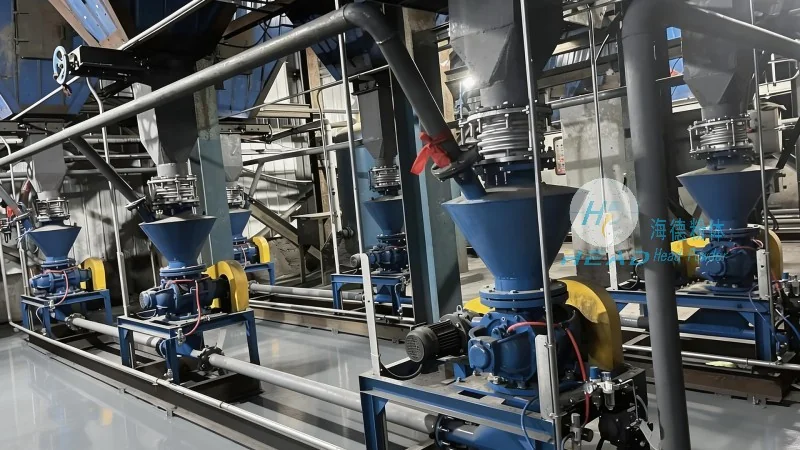
Shandong HeadPowder Engineering Co., Ltd., a leading provider in the field, specializes in the design, manufacturing, and implementation of advanced pneumatic conveying solutions for cement raw materials. With a strong presence in China, particularly in Shandong province, the company leverages its expertise to deliver customized systems that meet the specific requirements of cement plants worldwide.
At the core of cement raw material pneumatic conveying is the ability to transport materials without the need for mechanical components like belts or buckets, which can be prone to wear and maintenance issues. Instead, the system relies on a combination of air pressure and velocity to move the raw materials through the pipeline. The design of the conveying system typically includes key components such as the hopper, feeder, air compressor, and pipeline network. Each component plays a critical role in ensuring the smooth and efficient movement of materials from the storage area to the processing plant.
The design principles for cement raw material pneumatic conveying systems are centered on several key factors. First, the system must be capable of handling a wide range of raw materials with varying particle sizes and densities. This requires careful selection of the conveying velocity and air pressure to prevent material deposition or blockages in the pipeline. Second, the system needs to be energy-efficient, as the cost of air compression can significantly impact operational expenses. Engineers at Shandong HeadPowder Engineering Co., Ltd. employ advanced computational fluid dynamics (CFD) and other simulation tools to optimize the system design for minimal energy consumption while maintaining high material throughput.
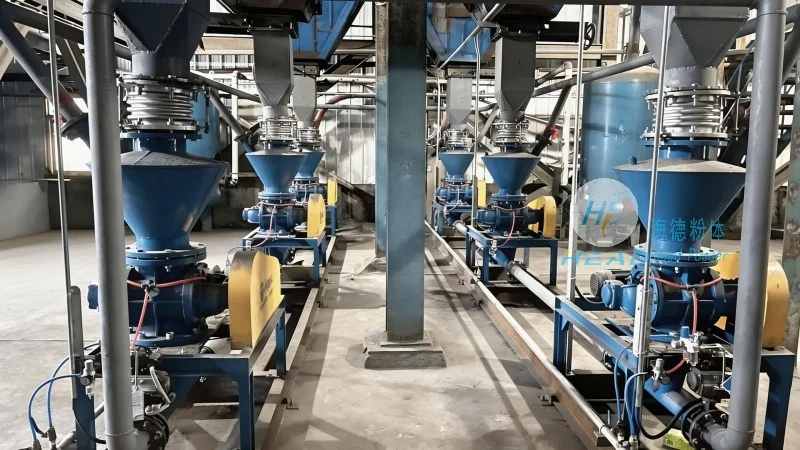
Another critical aspect of the design is the control and monitoring of the conveying process. Modern pneumatic conveying systems incorporate advanced control systems that regulate air pressure, flow rate, and material feed rate in real-time. This allows for precise control over the material flow, preventing overloading or underloading of the pipeline, which can lead to system inefficiencies or equipment damage. The company’s engineers also consider factors such as material compatibility with the pipeline materials, dust control measures, and safety protocols to ensure the system operates safely and complies with industry standards.
For cement plants, the adoption of pneumatic conveying systems offers several advantages over traditional mechanical conveying methods. These include reduced space requirements, as the pipeline can be routed through existing structures without the need for large equipment rooms. Additionally, pneumatic systems provide better material containment, minimizing dust emissions and improving workplace safety. The ability to transport materials over long distances without intermediate storage points also enhances the overall efficiency of the production line.
Shandong HeadPowder Engineering Co., Ltd. takes a comprehensive approach to designing cement raw material pneumatic conveying systems. The company’s team of experienced engineers works closely with clients to understand their specific production needs, including the type and quantity of raw materials, the distance to be covered, and the desired throughput rate. Based on this information, the engineers develop a customized system design that incorporates the latest technology and best practices in the industry.
During the design phase, the company conducts thorough feasibility studies and simulations to ensure the system will meet all operational requirements. This includes evaluating the material's flow properties, determining the optimal air velocity and pressure, and selecting the appropriate pipeline diameter and material. The final design is then validated through laboratory testing and, if necessary, pilot-scale trials to confirm its performance under real-world conditions.
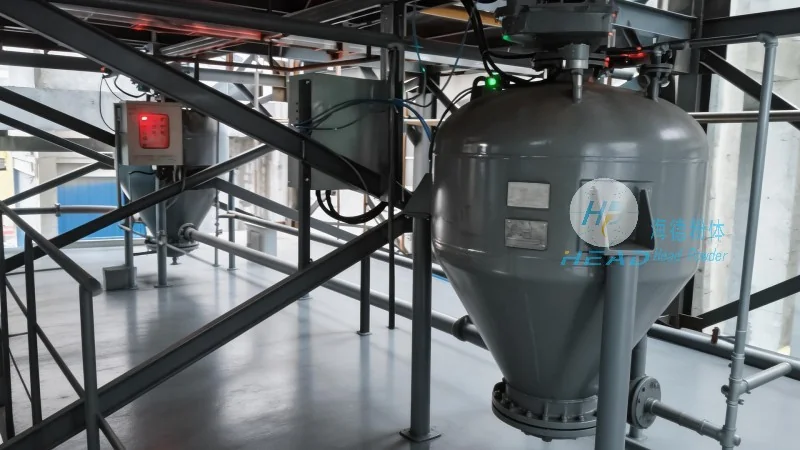
Once the design is finalized, the company handles the manufacturing and installation of the system components. This includes the production of custom-made hoppers, feeders, and air compressors, as well as the fabrication and installation of the pipeline network. The company's commitment to quality and precision ensures that each component is manufactured to strict standards, minimizing the risk of defects or failures during operation.
After installation, the company provides comprehensive training and support to the client's operations team. This includes training on the operation and maintenance of the pneumatic conveying system, as well as ongoing technical support to address any issues that may arise. The goal is to ensure that the client can operate the system efficiently and effectively, maximizing its benefits and minimizing downtime.
In conclusion, cement raw material pneumatic conveying is a highly effective method for transporting bulk materials in the cement industry, and the design principles behind such systems are critical to their success. Shandong HeadPowder Engineering Co., Ltd. plays a key role in providing advanced solutions that meet the evolving needs of cement manufacturers, helping them to improve efficiency, reduce costs, and enhance overall operational performance.