

What is Red Mud Pneumatic Conveying? And What Are Its Design Principles?
Red mud, a byproduct of bauxite processing in the aluminum industry, poses significant challenges in handling and disposal. Pneumatic conveying systems offer an efficient solution for transporting this material, and understanding the design principles behind such systems is crucial for optimizing performance and ensuring operational safety. This article explores the fundamentals of red mud pneumatic conveying, detailing the key design considerations and technological aspects that make this method effective.
Understanding Red Mud Pneumatic Conveying
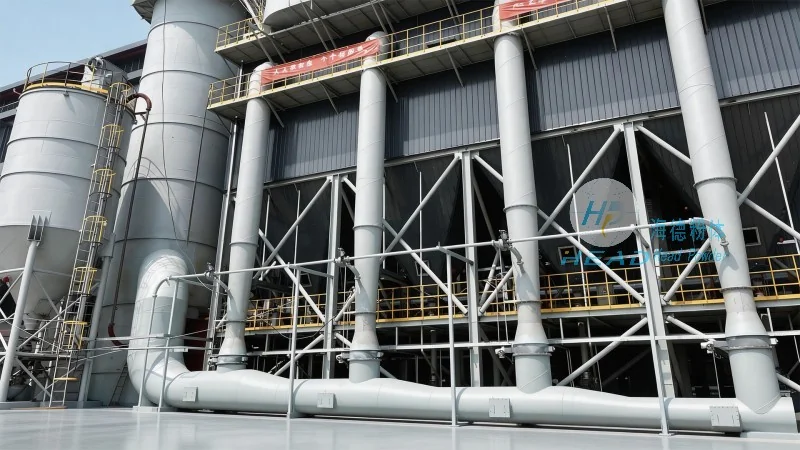
Red mud is a highly abrasive and often corrosive material that requires specialized equipment for safe and efficient transport. Pneumatic conveying uses compressed air or gas to move the material through a pipeline, eliminating the need for mechanical components like belts or buckets that can wear out quickly when handling such abrasive substances. The process involves feeding the red mud into a hopper, where it is mixed with air or gas under controlled pressure. The mixture is then propelled through the pipeline to the destination, such as a storage silo or processing plant. This method is particularly advantageous for long-distance or high-rise transport, as it can overcome gravity and navigate complex layouts without the need for additional machinery.
Key Design Principles of Red Mud Pneumatic Conveying Systems
The design of a red mud pneumatic conveying system involves several critical factors that ensure reliable operation and longevity. First, the selection of the right type of conveying system—whether it's a dilute-phase or dense-phase system—depends on the material's properties and the required transport distance. Dilute-phase systems use high velocities to move the material in a suspended state, while dense-phase systems use lower velocities and higher pressure to form a slurry-like flow. For red mud, which is often fine and abrasive, a dilute-phase system is commonly preferred due to its ability to handle high material loads and maintain consistent flow rates.
Second, the pipeline design is a critical aspect. The material's abrasive nature necessitates the use of high-quality, corrosion-resistant materials like stainless steel or special alloys for the pipeline and fittings. The diameter and length of the pipeline are carefully calculated to balance pressure drop and energy consumption. Properly sized airlocks and feeders are also essential to prevent material blockages and ensure smooth material intake. The system must also include pressure relief valves and filters to protect the equipment from overpressure and to maintain air quality.
Components and Their Functions in Red Mud Pneumatic Conveying
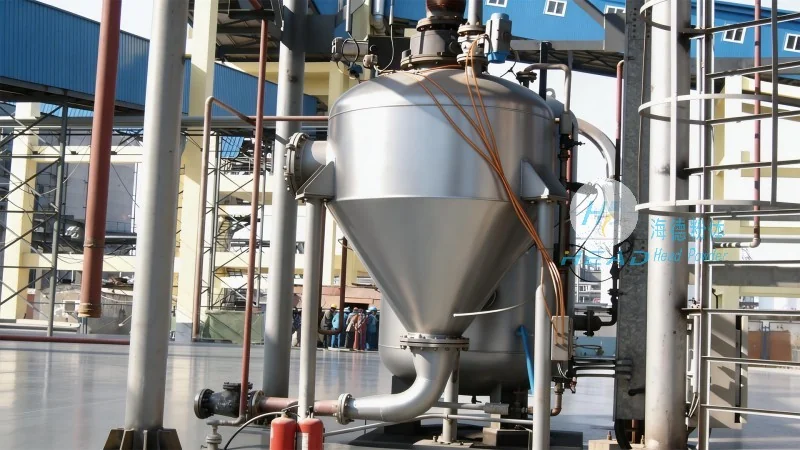
A typical red mud pneumatic conveying system consists of several key components, each playing a vital role in the overall operation. The hopper or feeder is responsible for storing and feeding the red mud into the system. It must be designed to handle the material's bulk density and flow characteristics, often incorporating vibrators or agitators to prevent material bridging or caking. The compressor or blower provides the necessary air or gas pressure to move the material through the pipeline. The choice of compressor depends on the system's capacity and the material's properties—for example, a centrifugal blower is suitable for high-volume, low-pressure applications, while a positive displacement blower is better for high-pressure, low-volume scenarios.
The pipeline itself is a crucial component, as it must withstand the abrasive and corrosive nature of red mud. The use of stainless steel or lined pipes is common to prevent wear and corrosion. The system also includes airlocks at the inlet and outlet to separate the material from the air stream, preventing dust emissions and ensuring clean material discharge. Filters are installed to remove any fine particles from the air stream, protecting downstream equipment and maintaining air quality. Additionally, pressure sensors and flow meters are used to monitor the system's performance and detect any issues such as blockages or pressure drops.
Advantages and Challenges of Red Mud Pneumatic Conveying
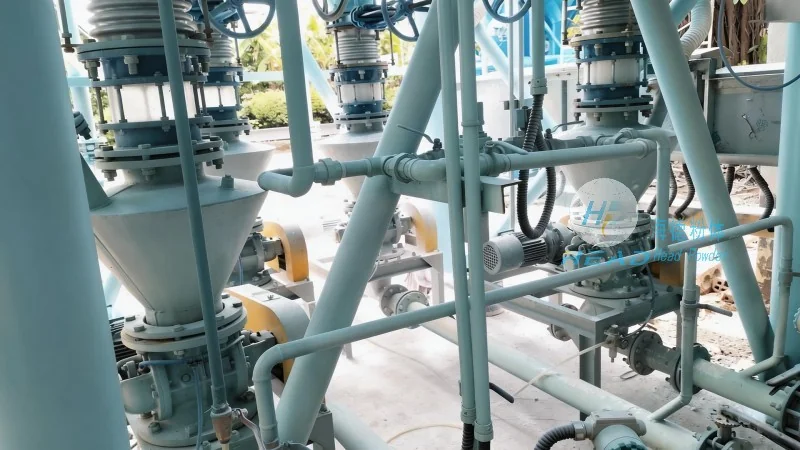
Red mud pneumatic conveying offers several advantages over traditional methods like belt conveyors or trucks. It provides a dust-free and enclosed transport system, reducing environmental impact and improving workplace safety. The system is also flexible, allowing for easy reconfiguration of the pipeline layout to accommodate changes in plant operations. However, the technology also presents challenges, particularly in terms of equipment maintenance and energy consumption. The abrasive nature of red mud can cause rapid wear on components like pipelines, valves, and airlocks, requiring regular inspection and replacement. Additionally, the energy required to operate the system can be significant, especially for long-distance or high-volume transport. Proper maintenance and the use of wear-resistant materials are essential to mitigate these challenges and ensure the system's long-term reliability.
Application Examples and Case Studies
Red mud pneumatic conveying systems are widely used in the aluminum industry for transporting the byproduct from processing plants to disposal sites or recycling facilities. For example, a large aluminum plant in Shandong, China, uses a pneumatic conveying system to transport red mud from the digestion unit to a storage silo located several hundred meters away. The system, designed by Shandong HeadPowder Engineering Co., Ltd., utilizes a dilute-phase design with stainless steel pipelines and a centrifugal blower. The system has been in operation for over five years, with minimal downtime due to its robust design and regular maintenance. Another application involves the transport of red mud from a processing plant to a cement production facility, where the material is used as a supplementary cementitious material. The system in this case uses a dense-phase design to ensure the material is delivered in a consistent, slurry-like state, which is crucial for the cement production process.
Conclusion and Future Developments
Red mud pneumatic conveying is a highly effective method for handling the challenging byproduct of bauxite processing. By understanding the key design principles and components of such systems, engineers can optimize performance, reduce maintenance costs, and improve overall operational efficiency. As the aluminum industry continues to face challenges related to red mud disposal, advancements in pneumatic conveying technology, such as the use of more durable materials and energy-efficient compressors, will play a crucial role in addressing these issues. The continued development and application of these systems will not only improve the sustainability of the aluminum industry but also contribute to the safe and efficient management of industrial byproducts.