

What is River Sand Pneumatic Conveying? What Are the Design Principles?
Understanding river sand pneumatic conveying is crucial for industries dealing with bulk material handling, as it offers an efficient and flexible method to transport sand and similar granular materials. This article delves into the fundamental concepts of river sand pneumatic conveying and explores the core design principles that underpin its successful implementation.
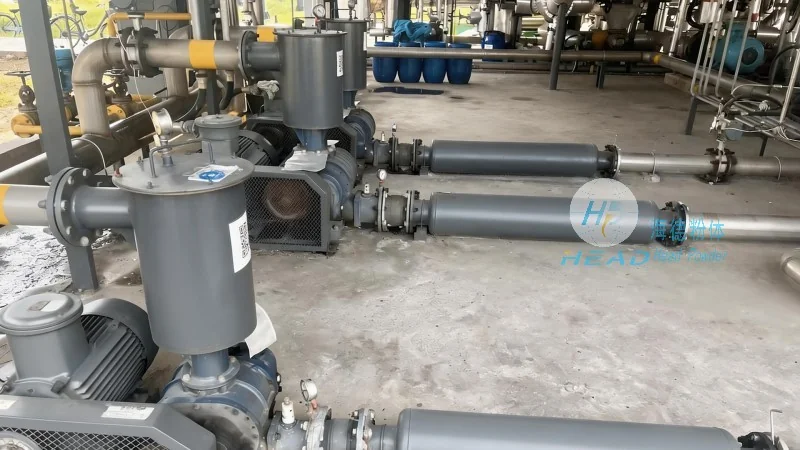
Introduction to River Sand Pneumatic Conveying
River sand, a common construction material, often requires reliable transportation from extraction sites to processing or construction sites. Traditional methods like trucks or conveyor belts can be limited by factors such as terrain, distance, and material characteristics. Pneumatic conveying, which uses air to move materials through a pipeline system, provides a solution that is both efficient and adaptable. This technique involves creating a flow of air within a closed pipe, where the sand particles are suspended and transported to the destination. The process is typically categorized into two main types: dilute phase and dense phase, each with distinct characteristics and applications.
Key Design Principles of River Sand Pneumatic Conveying Systems
The design of a pneumatic conveying system for river sand involves several critical principles that ensure optimal performance, efficiency, and durability. The first principle is the selection of the appropriate conveying type based on the material properties and operational requirements. For river sand, which is typically fine and abrasive, a dilute phase system is often preferred due to its ability to handle high material loads with lower air velocity. The system design must consider factors such as the particle size distribution, moisture content, and density of the sand, as these parameters directly impact the air flow requirements and equipment sizing.
Another essential design principle is the calculation of the air velocity and pressure needed to maintain the material in suspension. The air velocity must be sufficient to overcome the gravitational forces acting on the sand particles but not so high as to cause excessive wear on the pipeline and components. Engineers use empirical formulas and computational fluid dynamics (CFD) simulations to determine the optimal air velocity, which is typically in the range of 20 to 30 meters per second for dilute phase systems. The pressure drop across the system is also a critical parameter, as it affects the energy consumption and the overall efficiency of the conveying process. Proper design ensures that the pressure drop is minimized while maintaining the required air flow to transport the sand effectively.
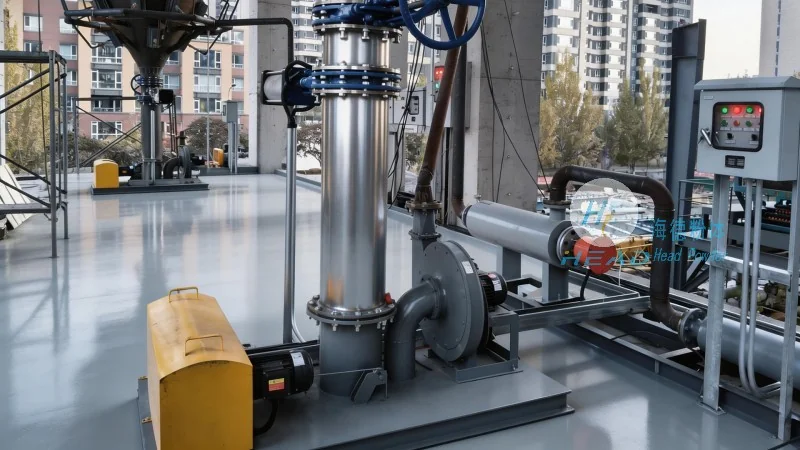
Component selection is a third key design principle. The materials used for the pipeline, such as stainless steel or high-density polyethylene (HDPE), must be resistant to abrasion and corrosion caused by the sand particles. The choice of fittings, valves, and pumps is equally important. For example, rotary lobe pumps are commonly used in pneumatic conveying systems due to their ability to handle abrasive materials without causing excessive wear. The system must also include proper filtration and separation equipment to prevent the buildup of sand particles in the air stream, which can lead to equipment failure and reduced efficiency.
HeadPowder Engineering: Expertise in River Sand Pneumatic Conveying Solutions
Shandong HeadPowder Engineering Co., Ltd., a leading provider of engineering solutions for bulk material handling, specializes in designing and manufacturing pneumatic conveying systems tailored to the needs of the construction and mining industries. With a focus on innovation and customer satisfaction, HeadPowder has developed a range of systems that efficiently handle river sand and other similar materials. The company's expertise lies in understanding the unique challenges of transporting abrasive and fine materials, such as sand, and providing customized solutions that meet the specific requirements of each project.
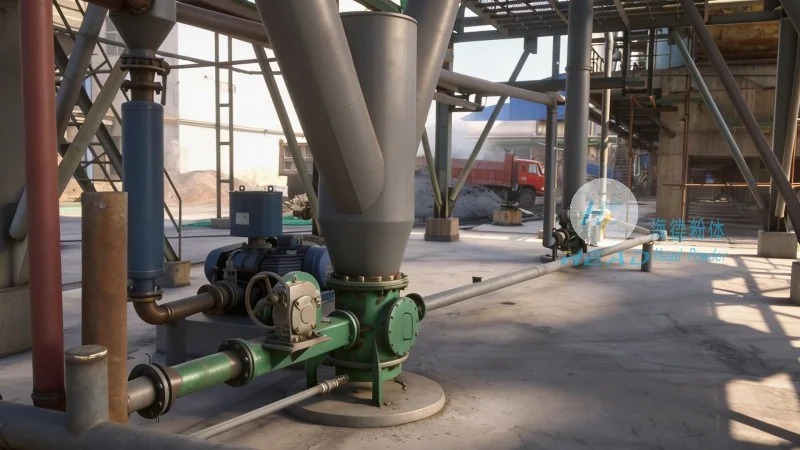
HeadPowder's design approach emphasizes the integration of advanced technology with practical engineering. The company utilizes state-of-the-art computational tools to model and optimize the pneumatic conveying systems, ensuring that the final design is both efficient and cost-effective. Their team of experienced engineers works closely with clients to assess their material characteristics, operational needs, and budget constraints, resulting in solutions that deliver reliable performance and long-term value.
HeadPowder's commitment to quality is evident in their use of high-quality materials and rigorous testing procedures. All components, from the pipeline to the pumps and valves, are manufactured to meet international standards and are tested under various conditions to ensure durability and reliability. The company also provides comprehensive after-sales support, including maintenance services and technical assistance, to help clients maximize the lifespan and efficiency of their pneumatic conveying systems.
Conclusion: The Advantages of River Sand Pneumatic Conveying
In conclusion, river sand pneumatic conveying is a highly effective method for transporting sand and similar granular materials, offering advantages such as flexibility, efficiency, and reduced labor costs compared to traditional methods. The design principles, including the selection of the appropriate conveying type, calculation of air velocity and pressure, and proper component selection, are critical to the success of the system. With the expertise of companies like Shandong HeadPowder Engineering Co., Ltd., industries can benefit from reliable and efficient pneumatic conveying solutions that meet their specific needs and contribute to improved operational performance.