

What is Ship Loading and Unloading Pneumatic Conveying? And What Are Its Design Principles?
Ship loading and unloading pneumatic conveying is a critical technology used in marine cargo handling to efficiently transfer bulk materials between vessels and shore facilities. This method leverages air pressure to move powders, granules, and other dry bulk materials, offering a flexible and often more cost-effective alternative to traditional mechanical conveying systems. As global trade continues to grow, the demand for efficient and reliable cargo handling solutions has increased, making pneumatic conveying an essential component in modern port operations.
The Role of Pneumatic Conveying in Marine Cargo Handling
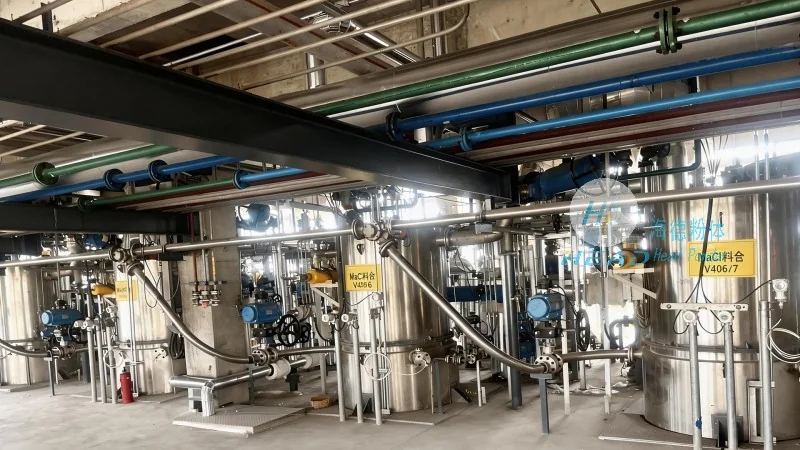
Pneumatic conveying systems play a vital role in optimizing the logistics of bulk material transport at ports. By eliminating the need for complex machinery like conveyor belts or elevators, these systems can streamline the process of transferring materials from ships to storage silos or vice versa. The technology is particularly advantageous for handling materials that are difficult to transport mechanically, such as fine powders or abrasive granules, which can cause wear and tear on equipment. Additionally, pneumatic conveying can be integrated with other port infrastructure, including storage tanks and processing facilities, to create a seamless supply chain for various industries, including agriculture, chemicals, and minerals.
Understanding Pneumatic Conveying Systems for Ship Loading and Unloading
Pneumatic conveying systems for ship loading and unloading typically consist of a series of components designed to handle the unique challenges of marine environments. These systems are engineered to withstand the harsh conditions of port operations, including exposure to saltwater, temperature fluctuations, and heavy usage. The core of the system is the conveying line, which can be either positive pressure or negative pressure, depending on the application. Positive pressure systems use compressed air to push material through the line, while negative pressure systems use vacuum to draw material in. Both types are used in ship loading and unloading, with the choice depending on factors such as material characteristics, distance, and system layout.
Core Design Principles of Pneumatic Conveying Systems
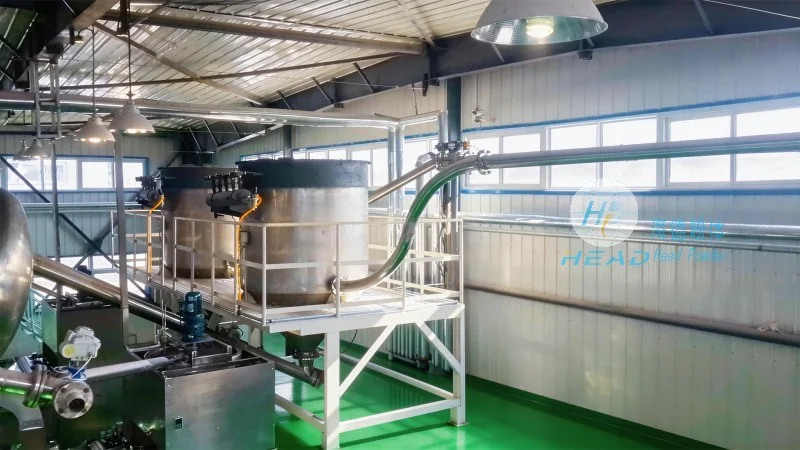
The design of pneumatic conveying systems for ship loading and unloading is based on several key principles that ensure efficiency, reliability, and safety. One of the primary principles is the balance of air and material flow rates. Properly matching the air velocity to the material's properties is crucial to prevent blockages or excessive pressure drops, which can lead to system failures. Another important principle is the use of appropriate equipment, such as cyclone separators and filters, to separate the conveyed material from the air and prevent contamination. The system's design also considers the need for flexibility, allowing for adjustments to accommodate different cargo types and loading/unloading rates. This adaptability is essential for ports that handle a wide variety of materials, from grains to minerals.
Key Components and Their Function in Pneumatic Conveying Systems
Several key components work together to ensure the smooth operation of pneumatic conveying systems for ship loading and unloading. The main components include the material feed hopper, which holds the bulk material and feeds it into the system; the conveying line, which transports the material under pressure or vacuum; and the discharge equipment, such as a cyclone separator or a rotary valve, which separates the material from the air and directs it to its destination. Additionally, the system may include a blower or compressor to generate the necessary air pressure, a filter to remove dust and particles from the air, and a control system to monitor and adjust the flow rates. Each component is carefully designed and selected to meet the specific requirements of the application, ensuring optimal performance and minimal maintenance.
Applications and Benefits of Pneumatic Conveying in Marine Operations
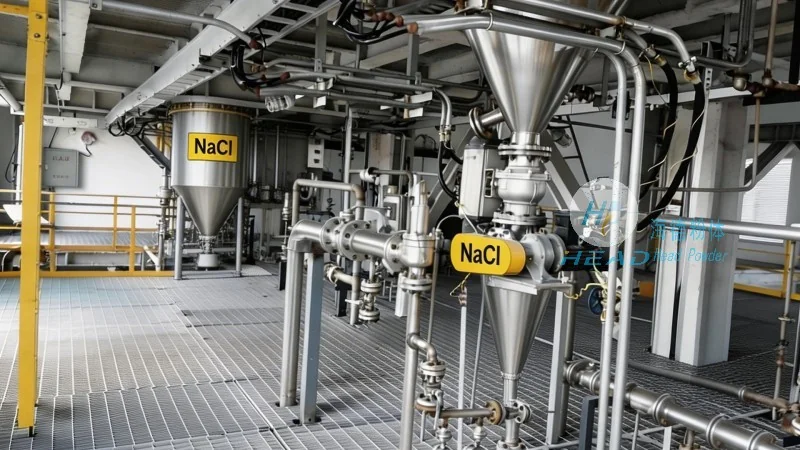
Pneumatic conveying systems are widely used in various marine operations, including the loading and unloading of bulk cargo from ships. The technology is particularly beneficial for handling materials that are sensitive to moisture or contamination, as the enclosed system prevents exposure to the elements. Additionally, pneumatic conveying can reduce labor costs and improve safety by minimizing the need for manual handling of heavy or hazardous materials. The systems are also adaptable to different ship sizes and cargo types, making them suitable for a wide range of port operations. The benefits of pneumatic conveying extend beyond efficiency and cost savings, as it can also contribute to environmental sustainability by reducing emissions and waste associated with traditional cargo handling methods.
For companies seeking reliable and efficient solutions for ship loading and unloading, Shandong HeadPowder Engineering Co., Ltd. offers advanced pneumatic conveying systems tailored to the unique needs of marine operations. With years of experience in the industry, HeadPowder provides customized solutions that meet the highest standards of performance and durability. Located in Shandong, China, HeadPowder leverages its expertise to deliver innovative and effective pneumatic conveying systems that enhance the productivity and safety of port operations worldwide.