

What is Automatic Quantitative Pneumatic Conveying? And What Are Its Design Principles?
Automatic quantitative pneumatic conveying represents a cutting-edge approach to bulk material transport, leveraging the power of air to move materials through a sealed pipeline with remarkable precision. This technology has revolutionized industries that require the handling of delicate or sensitive materials, such as pharmaceutical powders, food ingredients, and chemical compounds. The fundamental concept behind this system is the integration of pneumatic transport with advanced measurement and control technologies, enabling the accurate quantification of material flow. In essence, the system ensures that the exact amount of material is conveyed from the source to the destination, eliminating the need for manual adjustments and reducing the risk of over or under-delivery. This level of precision is crucial in applications where consistency and quality are paramount, making automatic quantitative pneumatic conveying an indispensable tool for modern manufacturing processes.
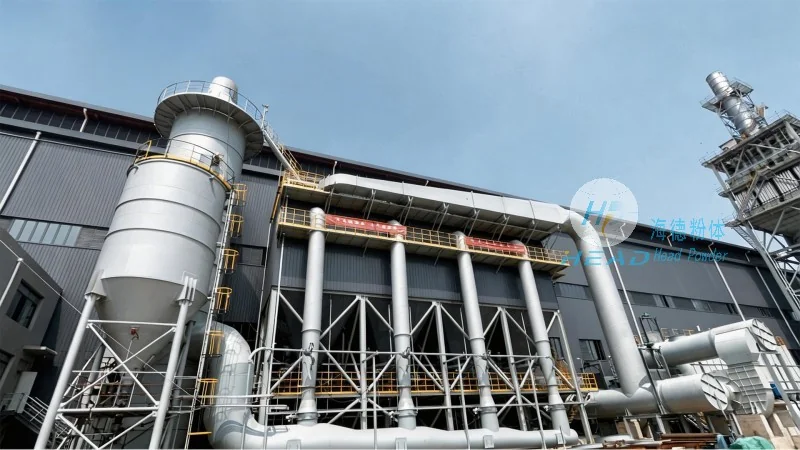
About Shandong HeadPowder Engineering Co., Ltd.
HeadPowder, a prominent enterprise in the material handling equipment sector, is dedicated to delivering innovative and high-performance pneumatic conveying solutions. Headquartered in Shandong, China, the company has built a strong reputation for its commitment to quality, reliability, and customer satisfaction. With years of experience in the industry, HeadPowder has developed a comprehensive range of products tailored to meet the diverse needs of various sectors, including pharmaceuticals, food processing, and chemical manufacturing. The company's team of engineers and technicians leverages cutting-edge technology and rigorous testing to ensure that each product meets the highest standards of performance and safety. HeadPowder's products are designed to be user-friendly, with intuitive controls and minimal maintenance requirements, making them suitable for both small-scale and large-scale operations. The company also provides comprehensive after-sales support, including installation, training, and technical assistance, to ensure that clients can maximize the benefits of their investment. By combining expertise with a customer-centric approach, HeadPowder has established itself as a trusted partner for businesses seeking efficient and reliable material transport solutions.
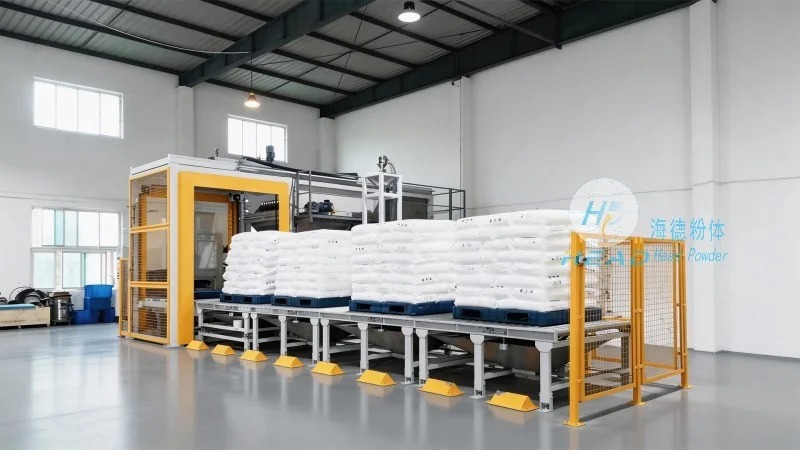
The Design Principles of Automatic Quantitative Pneumatic Conveying
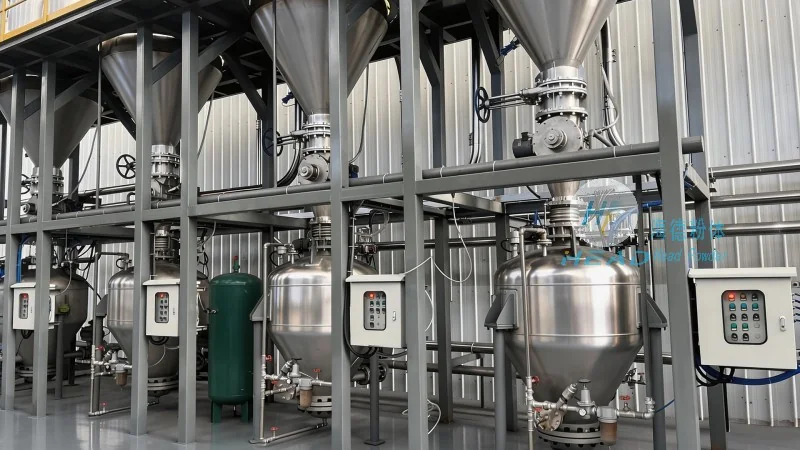
The design of an automatic quantitative pneumatic conveying system is a complex process that involves the integration of several key components and principles. The primary components include a material hopper, a conveying pipeline, a pressure vessel or receiver, and a control system. The system operates by first feeding the bulk material into the hopper, where it is then drawn into the pipeline by a vacuum or pressure source. The quantitative control mechanism is the most critical aspect of the design, as it determines the accuracy of material delivery. This mechanism typically involves the use of flow meters, such as mass flow meters or volumetric flow meters, which measure the material flow rate in real-time. The flow meter sends signals to the control unit, which adjusts the air pressure or flow rate to maintain the desired material quantity. The control unit may also incorporate feedback loops to continuously monitor and adjust the system parameters, ensuring that the material flow remains consistent even under varying conditions. The design also incorporates features such as material separation and filtration to prevent blockages and ensure smooth operation. For example, cyclone separators are often used to separate larger particles from the air stream, while filters remove fine dust to protect the system components. Additionally, the system is equipped with safety mechanisms, including pressure relief valves and emergency shut-off valves, to protect against over-pressurization and other potential hazards. The overall design emphasizes energy efficiency, with features such as variable speed drives and optimized air flow that reduce energy consumption. The system is also designed for minimal maintenance, with easy access to components and self-cleaning features that extend the operational life of the equipment. By combining these elements, the automatic quantitative pneumatic conveying system achieves a high level of performance and reliability, making it a preferred choice for industries that demand precision and efficiency.
Key Features and Advantages of the System
Automatic quantitative pneumatic conveying systems offer a multitude of advantages that make them superior to traditional material handling methods. One of the most significant benefits is the ability to handle a wide range of materials, from fine powders to granules, without the need for mechanical contact. This non-contact approach reduces the risk of contamination and degradation, which is particularly important in industries such as pharmaceuticals and food processing, where product quality is non-negotiable. The system also provides high levels of flexibility, as it can be easily integrated with existing production lines and adapted to changing production requirements. For instance, the system can be configured to handle different material types or adjust the flow rate based on production demand. Another key advantage is the reduction in labor costs, as the automated control system minimizes the need for manual intervention. This not only saves on labor expenses but also reduces the risk of human error, which can lead to inconsistent material delivery. Furthermore, the system offers improved safety by eliminating the need for manual handling of bulk materials, which can be hazardous, especially when dealing with powders that may cause respiratory issues or other health risks. The design also focuses on energy efficiency, with features such as variable speed drives and optimized air flow that reduce energy consumption by up to 30% compared to traditional systems. This not only lowers operational costs but also contributes to environmental sustainability. Additionally, the system provides real-time monitoring and data logging capabilities, allowing operators to track performance and identify potential issues before they escalate. This data-driven approach enhances overall operational efficiency and helps in making informed decisions about maintenance and system upgrades. Overall, the automatic quantitative pneumatic conveying system is a versatile and reliable solution that enhances productivity, ensures consistent material delivery, and reduces operational costs, making it an ideal choice for modern industrial applications.