

What is Quick Loading Pneumatic Conveying? And What Are Its Design Principles?
Quick loading pneumatic conveying is a sophisticated method used in industrial settings to transport bulk materials through a pipeline using compressed air or other gas. This technology offers an efficient, flexible, and often sanitary solution for moving powders, granules, and other dry materials from a source to a destination. The core of this system lies in its ability to quickly and reliably transfer materials, making it a preferred choice in various industries such as food processing, pharmaceuticals, and chemical manufacturing.
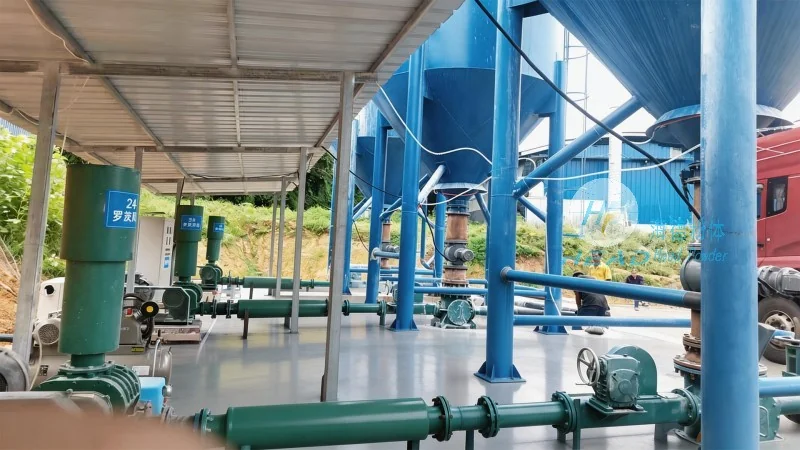
Understanding Quick Loading Pneumatic Conveying Systems: Core Concepts and Design Principles
At its essence, quick loading pneumatic conveying systems are designed to handle high-volume material transport with minimal downtime. The system typically consists of a source of material, a means of introducing the material into the conveying system (like a feeder or hopper), a pipeline network, and a receiver where the material is deposited. The design principles revolve around optimizing the flow of both material and air to achieve maximum efficiency and minimal energy consumption.
Key Components of a Quick Loading Pneumatic Conveying System
The effectiveness of a quick loading pneumatic conveying system is largely determined by its key components. These include:
1. Feeder or Hopper: This component is responsible for feeding the material into the conveying system. It may be a rotary valve, a star feeder, or a hopper with a discharge port, ensuring a consistent flow of material into the pipeline.
2. Pneumatic Conveying Pipeline: The pipeline is the main channel through which the material and air travel. It is usually made of stainless steel or other corrosion-resistant materials to handle various materials and maintain hygiene standards.
3. Conveying Air Supply: Compressed air or gas is supplied to the system to create the necessary pressure and velocity for material transport. The air source is typically a compressor, and the system may include filters and regulators to ensure clean, dry air.
4. Separation and Collection Equipment: At the end of the pipeline, a separator or cyclone is used to separate the material from the air stream. The separated material is collected in a hopper or bin, while the air is either vented or recycled back into the system.
Working Principle of Quick Loading Pneumatic Conveying
The operation of a quick loading pneumatic conveying system follows a sequential process. First, the material is fed into the system from the source. The feeder then introduces the material into the pipeline, where it is mixed with the compressed air. The air velocity is sufficient to lift and transport the material particles through the pipeline. As the mixture travels, it reaches the receiver, where the separator separates the material from the air. The material is collected in the receiver, and the air is either exhausted or recirculated, depending on the system design.
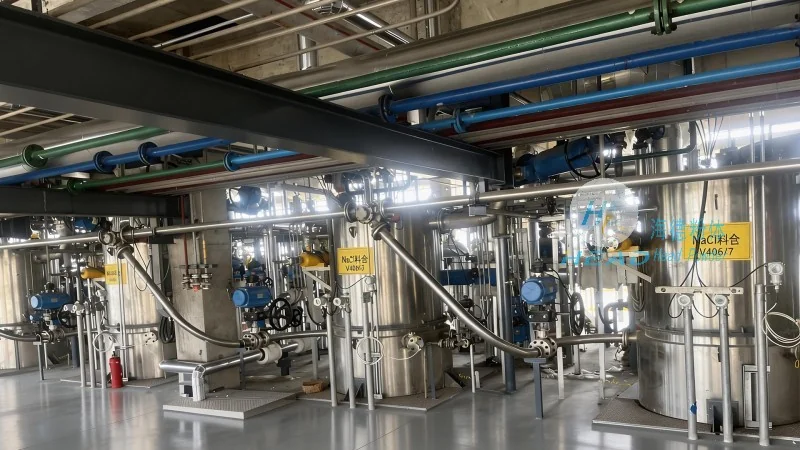
Design Principles for Efficient Quick Loading Pneumatic Conveying
Designing an efficient quick loading pneumatic conveying system involves several critical principles:
1. Pipeline Sizing: The diameter of the pipeline is crucial. It must be large enough to accommodate the material flow without causing excessive pressure drop or particle damage. The velocity of the air within the pipeline is typically maintained between 20-30 meters per second for most materials.
2. Pressure and Flow Rate: The system operates under a specific pressure range, often between 0.5 to 2 bar, depending on the material's properties and the distance to be conveyed. The flow rate is adjusted to ensure that the material is fully suspended and transported without clogging or excessive wear on components.
3. Material Characteristics: The design must consider the material's density, particle size, and flowability. Materials with high moisture content or abrasive properties may require special considerations, such as larger pipe diameters or more robust components.
4. System Integration: The quick loading system is often integrated with other equipment, such as mixers, blenders, or packaging machines. The design must ensure seamless integration to maintain the material's quality and prevent contamination.
Application Scenarios and Benefits
Quick loading pneumatic conveying systems are widely used in industries where material transport needs to be fast, clean, and reliable. Some common applications include:
1. Food and Beverage Industry: Used for transporting ingredients like flour, sugar, and spices in food processing plants. The system ensures hygienic handling and prevents cross-contamination.
2. Pharmaceutical Industry: Employed to transport active pharmaceutical ingredients (APIs) and excipients in pharmaceutical manufacturing. The system maintains strict cleanliness and prevents particle contamination.
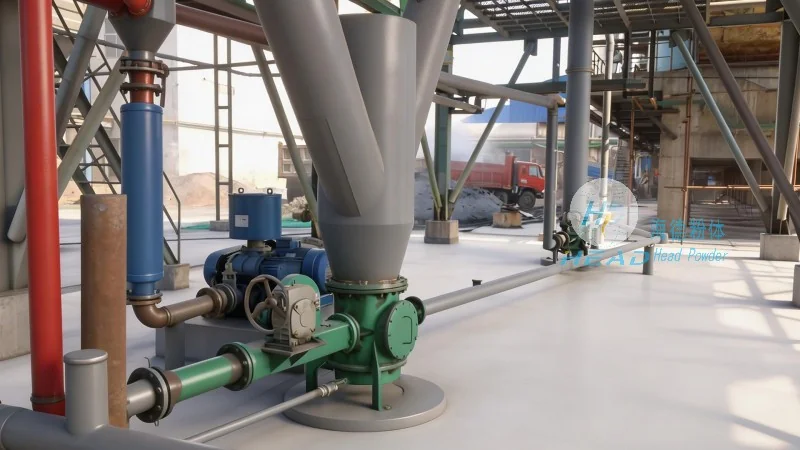
3. Chemical Industry: Used for conveying powders and granules in chemical production, such as in the manufacturing of fertilizers, pigments, and other chemicals.
The benefits of quick loading pneumatic conveying include:
1. High Efficiency: The system can handle high volumes of material quickly, reducing production time and increasing throughput.
2. Flexibility: The pipeline can be easily reconfigured or extended to accommodate changes in production needs or layout.
3. Sanitary and Clean: The enclosed system prevents dust and contamination, making it suitable for food and pharmaceutical applications.
4. Low Maintenance: With fewer moving parts compared to mechanical conveyors, the system requires less maintenance and has a longer operational life.
Company Overview: Shandong HeadPowder Engineering Co., Ltd.
Shandong HeadPowder Engineering Co., Ltd. is a leading manufacturer and supplier of pneumatic conveying systems, headquartered in Shandong, China. The company specializes in designing and manufacturing quick loading pneumatic conveying solutions tailored to the specific needs of various industries. With a strong focus on quality, innovation, and customer satisfaction, HeadPowder has established itself as a trusted partner in the field of material handling technology. The company's products are known for their efficiency, reliability, and adherence to international standards, making them suitable for a wide range of industrial applications.