

What is Dust-Free Closed-Circuit Pneumatic Conveying? And What Are Its Design Principles?
For industries dealing with powders and granules, maintaining a clean and efficient material handling process is paramount. Dust-free closed-circuit pneumatic conveying systems offer a solution that not only minimizes dust emissions but also ensures a continuous, enclosed operation. This technology is widely used in sectors such as food processing, pharmaceuticals, and chemical manufacturing, where product purity and environmental compliance are critical. The core of this system lies in its ability to transport materials through a sealed pipeline using air pressure, preventing contamination and improving operational safety.
Key Components and Design Principles
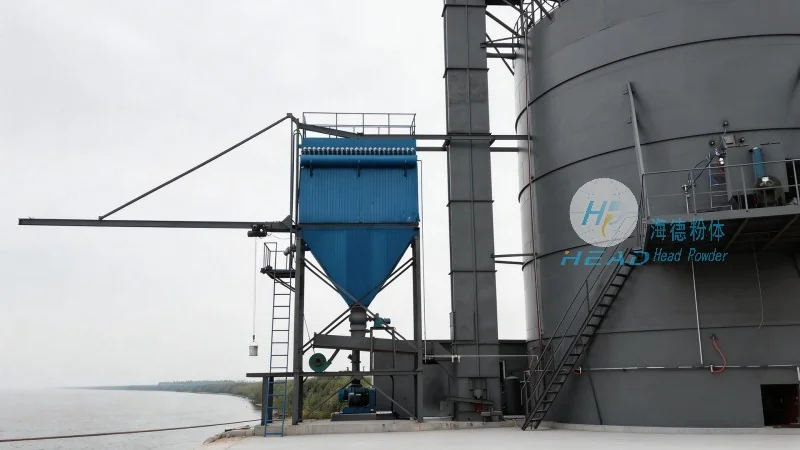
The design of a dust-free closed-circuit pneumatic conveying system involves several key components that work in harmony to achieve efficient material transport. The primary components include the air compressor, which generates the necessary air pressure; the conveying line, typically made of stainless steel or other corrosion-resistant materials to maintain hygiene; and the control system, which regulates the flow of air and material. The system operates on the principle of creating a negative pressure or positive pressure environment within the pipeline. In a negative pressure system, air is drawn through the material, while in a positive pressure system, air is forced through the material. The choice between these depends on the material's properties, such as its density and moisture content. The closed-circuit design ensures that all air and material are recirculated within the system, eliminating the need for external air intake and reducing the risk of dust leakage.
How the System Works: A Step-by-Step Overview
When a material is to be conveyed, it is first fed into the system through a hopper or feeder. The feeder then introduces the material into the conveying line, where it is mixed with the air stream. The air, under pressure, carries the material through the pipeline to the destination point, such as a silo or processing unit. At the receiving end, the material is separated from the air using a separator or cyclone. The separated material is then discharged, while the air is either filtered and recirculated back into the system or vented to the atmosphere. The closed-circuit nature of the system ensures that the air is continuously recirculated, reducing energy consumption and maintaining a stable operating environment. This design also minimizes the risk of dust contamination, as the entire process is contained within the system.
Benefits of Dust-Free Closed-Circuit Pneumatic Conveying
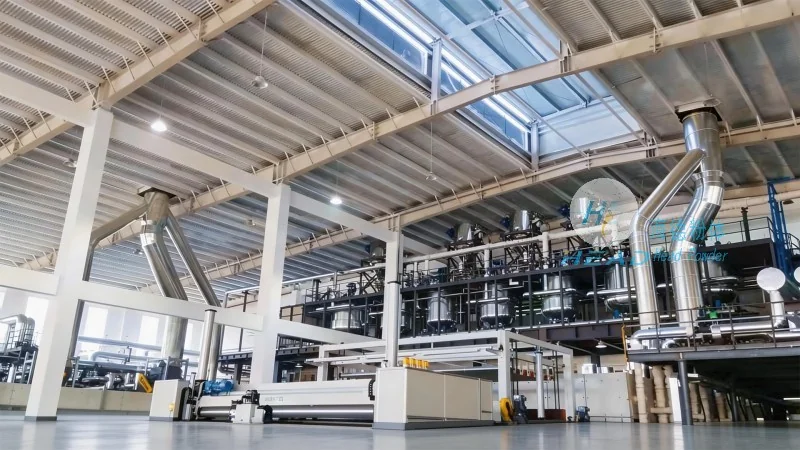
Implementing a dust-free closed-circuit pneumatic conveying system offers numerous advantages for industrial operations. Firstly, it significantly reduces dust emissions, contributing to a safer and healthier work environment. This is particularly important in industries where dust can cause respiratory issues or pose fire hazards. Secondly, the enclosed system prevents product contamination, ensuring that the material remains clean and free from external pollutants. This is crucial for applications in the food and pharmaceutical industries, where product purity is non-negotiable. Thirdly, the system improves operational efficiency by providing a continuous and reliable material transport process. Unlike traditional methods like bucket elevators or belt conveyors, which may have limitations in terms of material handling capacity or flexibility, pneumatic conveying systems can handle a wide range of materials with varying properties. Additionally, the closed-circuit design reduces energy consumption by recirculating air, leading to cost savings over time.
Applications and Industries
Dust-free closed-circuit pneumatic conveying systems are versatile and can be applied to various industries and applications. In the food industry, these systems are used to transport ingredients like flour, sugar, and spices, ensuring that the products remain free from contamination and maintain their quality. In the pharmaceutical sector, they are employed to handle active pharmaceutical ingredients (APIs) and other sensitive materials, where even the slightest contamination can affect the efficacy of the final product. The chemical industry also benefits from this technology, as it can handle corrosive or hazardous materials while maintaining a safe and controlled environment. Furthermore, in the agricultural sector, these systems are used to transport grain and other agricultural products, improving the efficiency of storage and processing operations. The adaptability of the system makes it suitable for a wide range of applications, from small-scale operations to large industrial facilities.
Choosing the Right System: Factors to Consider
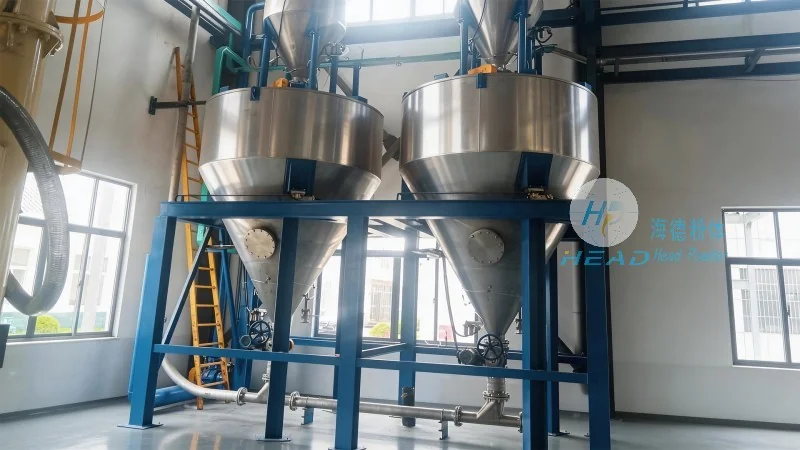
When selecting a dust-free closed-circuit pneumatic conveying system, several factors need to be considered to ensure optimal performance and suitability for the specific application. The first factor is the material properties, such as its density, moisture content, and flowability. These characteristics determine the type of system (e.g., positive or negative pressure) and the required air velocity. The second factor is the distance and height of the material transport, as this affects the power requirements and the number of components needed. The third factor is the desired material handling capacity, which influences the size of the conveying line and the air compressor. Additionally, the system's integration with existing equipment and the space available for installation are important considerations. It is also essential to consider the cost of the system, including the initial investment and the long-term operational costs. Consulting with a professional in the field, such as Shandong HeadPowder Engineering Co., Ltd., based in China, can help in selecting the right system that meets all the specific requirements of the operation.
Conclusion
Dust-free closed-circuit pneumatic conveying systems represent a significant advancement in material handling technology, offering a clean, efficient, and reliable solution for industries dealing with powders and granules. By understanding the design principles and components of these systems, as well as their benefits and applications, businesses can make informed decisions to improve their operational efficiency and maintain product quality. With the expertise of companies like Shandong HeadPowder Engineering Co., Ltd., industries can access high-quality systems tailored to their specific needs, ensuring a safe and effective material transport process. The adoption of such systems not only enhances operational performance but also contributes to a more sustainable and environmentally friendly industrial practice.