

Principle of Glass Particle Pneumatic Conveying Equipment
HeadPowder, a leading engineering firm based in Shandong, China, specializes in the design and implementation of advanced pneumatic conveying systems tailored for the handling of glass particles. This article delves into the fundamental principles underlying such equipment, highlighting the technical aspects that ensure efficient and reliable material transport in industrial settings.
Understanding Pneumatic Conveying Systems
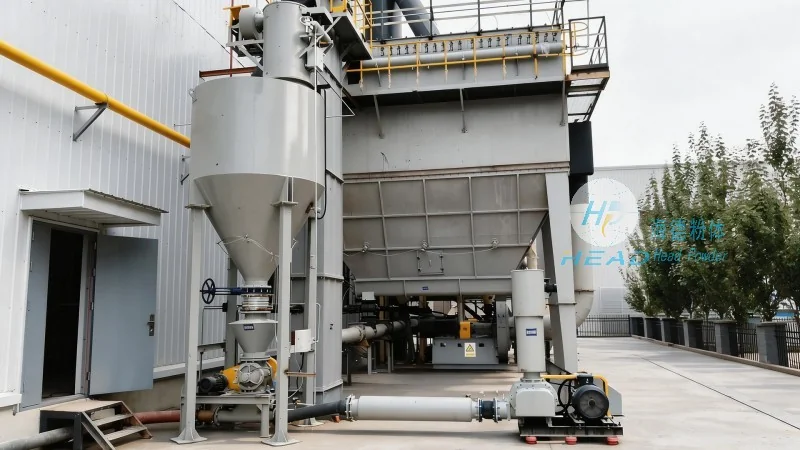
Pneumatic conveying, also known as air conveying, is a method of transporting bulk materials through a pipeline using a pressurized or vacuum air stream. In the context of glass particle handling, this technology offers a clean, dust-free, and efficient alternative to traditional mechanical conveying methods like belt conveyors or screw conveyors. The core principle involves creating a flow of air that moves the glass particles from the source to the destination, leveraging the kinetic energy of the air to overcome gravitational and frictional forces.
Key Components and Working Mechanism
The pneumatic conveying system for glass particles typically consists of several critical components, each playing a vital role in the overall operation. These include the material feed hopper, the air supply system (either positive pressure or negative pressure), the conveying pipeline, and the discharge or collection unit. The process begins with the glass particles being fed into the hopper, where they are then introduced into the pipeline. Simultaneously, compressed air is introduced into the system, either by blowing air into the pipeline (positive pressure) or by creating a vacuum to draw the particles (negative pressure). The air stream carries the glass particles along the pipeline, ensuring uniform and continuous transport. The system is designed to maintain consistent air velocity and pressure to prevent particle deposition or blockages, which are common issues in pneumatic conveying.
Advantages of Pneumatic Conveying for Glass Particles
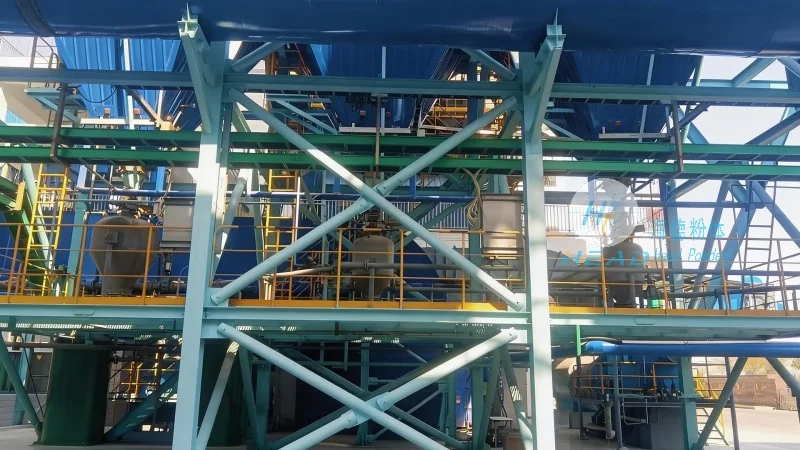
Implementing pneumatic conveying for glass particles brings numerous benefits that enhance operational efficiency and product quality. Firstly, it provides a dust-free environment, which is crucial for maintaining the purity of glass products and ensuring a safe working atmosphere. Unlike mechanical conveyors, which can generate significant dust and particulate matter, pneumatic systems minimize contamination risks. Secondly, the technology allows for flexible and compact layouts, as the conveying lines can be installed in various configurations, including vertical and horizontal runs, to suit the specific layout of a facility. This flexibility reduces the need for extensive infrastructure and space. Thirdly, pneumatic conveying systems are highly effective in handling fine or abrasive glass particles, which can be challenging for other conveying methods. The air stream cushions the particles, reducing wear and tear on equipment and extending its service life. Additionally, the system can be integrated with other processing equipment, such as mixers or furnaces, enabling seamless material transfer and improving overall production throughput.
Design Considerations and Customization
When designing a pneumatic conveying system for glass particles, several factors must be carefully considered to ensure optimal performance. The first is the particle size and density, as these characteristics directly impact the air velocity required for effective transport. Larger or denser particles may necessitate higher air pressures or velocities to maintain flow. The second is the system's capacity, which must be matched to the production rate of the glass manufacturing process. Overloading the system can lead to blockages and reduced efficiency. The third is the material's abrasiveness, as this influences the choice of pipeline material and components to prevent wear and corrosion. HeadPowder, with its expertise in engineering, offers customized solutions tailored to these specific requirements, ensuring that the system is optimized for the unique characteristics of the glass particles being handled.
Applications in Glass Manufacturing
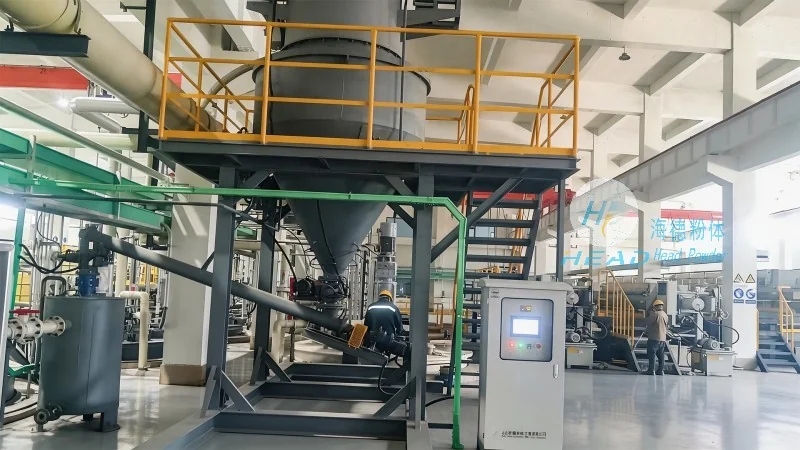
Pneumatic conveying equipment is widely used in various stages of glass manufacturing, from raw material handling to finished product transport. In the raw material stage, the system can transport sand, soda ash, limestone, and other raw materials to the melting furnace. This ensures a consistent and controlled supply of materials, which is critical for maintaining the quality of the glass. During the production process, the system can also handle recycled glass or cullet, facilitating the recycling process and reducing waste. In the finishing stages, pneumatic conveying can transport finished glass products, such as bottles or containers, from the production line to storage or packaging areas. The clean and efficient nature of the system makes it ideal for maintaining the integrity of the glass products throughout the entire manufacturing cycle.
Maintenance and Operational Tips
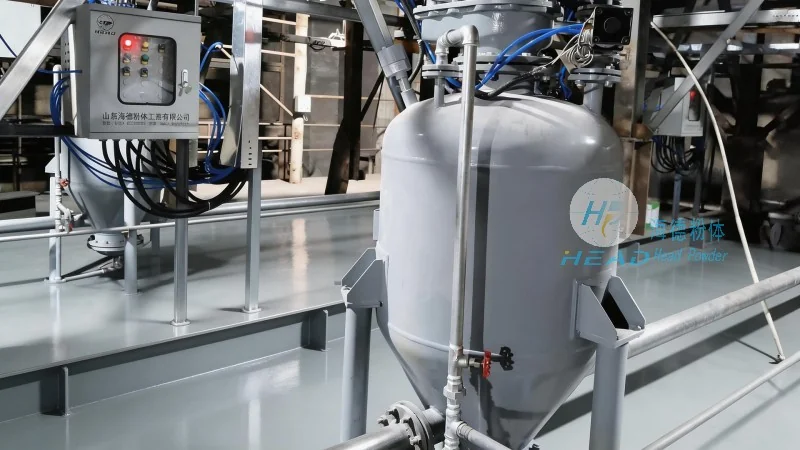
To ensure the longevity and reliability of a glass particle pneumatic conveying system, regular maintenance is essential. This includes checking and replacing air filters to maintain air quality, inspecting pipeline for blockages or wear, and lubricating moving parts as needed. It is also important to monitor the system's performance, such as air pressure and flow rates, to detect any deviations that may indicate a problem. Proper training of operators on the system's operation and maintenance is crucial to prevent issues and ensure safe and efficient operation. By adhering to these maintenance practices, the system can operate at peak efficiency, minimizing downtime and maximizing productivity.
Conclusion
HeadPowder Engineering Co., Ltd., based in Shandong, China, provides comprehensive solutions for glass particle pneumatic conveying systems, leveraging advanced engineering principles to deliver efficient, reliable, and cost-effective material transport solutions. By understanding the fundamental principles of pneumatic conveying and customizing systems to meet specific operational requirements, the company ensures that its clients achieve optimal performance and maintain the highest standards of product quality. The technology offers significant advantages over traditional conveying methods, making it an essential component in modern glass manufacturing facilities.