

Principle of Gypsum Sand Pneumatic Conveying System
HeadPowder, a leading engineering company based in Shandong, China, specializes in the design and implementation of advanced pneumatic conveying systems for handling gypsum sand. This article delves into the fundamental principles behind these systems, explaining how they efficiently transport gypsum sand from source to destination while maintaining operational efficiency and material integrity.
Core Components and Working Principle
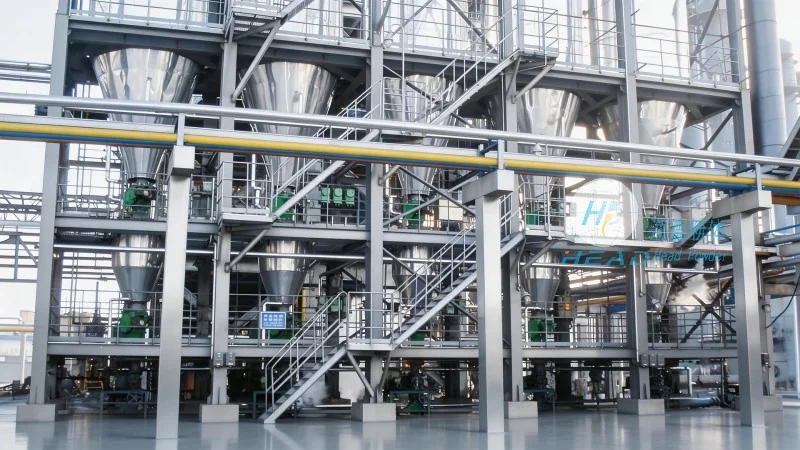
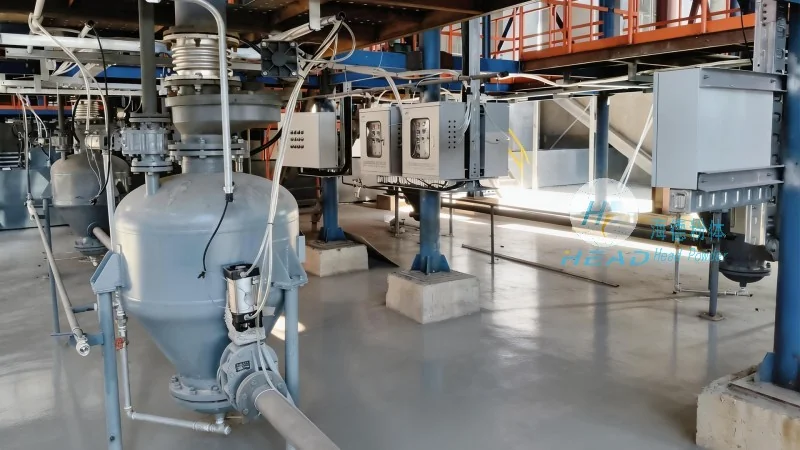
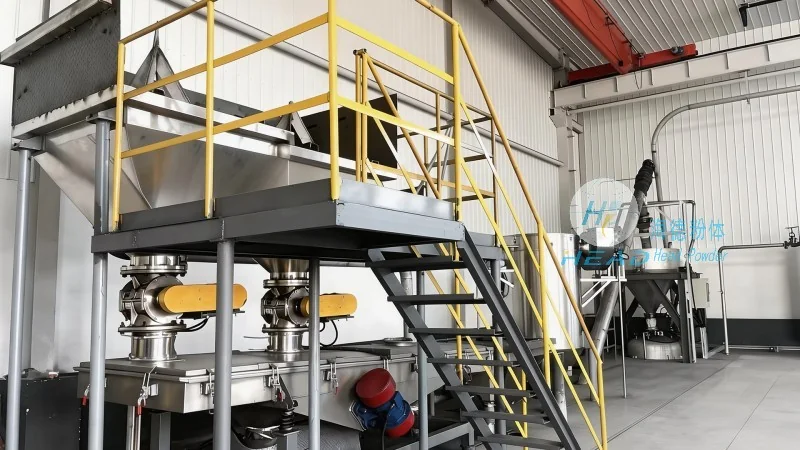
The gypsum sand pneumatic conveying system operates on the principle of transporting bulk materials through a pipeline using a stream of air or gas. At its core, the system comprises several key components: a material feed hopper, a rotary airlock valve, a conveying pipeline, a dust collector, and a discharge outlet. The process begins when gypsum sand is fed into the hopper. The rotary airlock valve then regulates the flow of material into the pipeline, preventing backflow and ensuring a consistent feed rate. Compressed air is introduced into the pipeline, creating a high-velocity air stream that lifts and propels the gypsum sand particles through the system. The dust collector captures any fine particles, ensuring clean air discharge and compliance with environmental regulations. The material is then discharged at the destination point, completing the conveying cycle.
Advantages of Pneumatic Conveying for Gypsum Sand
Compared to traditional methods like belt conveyors or bucket elevators, pneumatic conveying offers several advantages for gypsum sand transport. Firstly, it eliminates the need for physical contact between the material and equipment, reducing wear and tear and extending the lifespan of components. Secondly, the system is highly flexible, allowing for changes in the conveying route or destination without major structural modifications. Thirdly, it provides excellent control over material flow rates, ensuring precise delivery to the processing plant or storage facility. Additionally, pneumatic conveying systems are less prone to material segregation, maintaining the uniformity of gypsum sand, which is crucial for downstream applications such as cement production or construction materials. The system also minimizes dust exposure, enhancing workplace safety and reducing the risk of respiratory issues for operators.
Application Scenarios and Operational Considerations
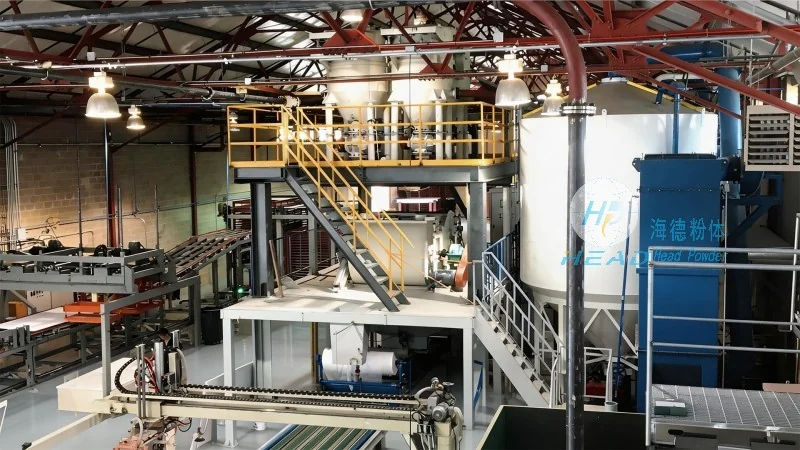
Gypsum sand pneumatic conveying systems are widely used in various industrial applications, particularly in the construction and cement industries. They are commonly employed in factories that process gypsum into plaster or drywall materials, where the material needs to be transported from storage silos to production lines. The systems are also utilized in mining operations where gypsum is extracted from quarries and transported to processing facilities. Operational considerations include the selection of appropriate air pressure and flow rates to match the material characteristics and pipeline length. For instance, higher air pressure may be required for longer conveying distances or for materials with higher moisture content. The system's design must also account for the specific properties of gypsum sand, such as its particle size distribution and density, to ensure optimal performance. Regular maintenance, including cleaning of the pipeline and dust collector, is essential to prevent blockages and maintain efficiency. HeadPowder's expertise in customizing these systems ensures that clients receive solutions tailored to their specific operational needs, maximizing productivity and minimizing downtime.
Conclusion and Company Overview
In conclusion, the gypsum sand pneumatic conveying system represents a sophisticated and efficient method for transporting bulk materials. By leveraging the principles of pneumatic transport, these systems offer significant advantages over traditional conveying methods, including reduced wear, increased flexibility, and improved material handling. HeadPowder, with its headquarters in Shandong, China, is a trusted partner in the design and implementation of such systems, providing tailored solutions that meet the unique requirements of industrial clients. The company's commitment to quality and innovation ensures that clients receive reliable, high-performance conveying systems that enhance operational efficiency and support long-term business success.