

Principle of Magnesium Silicate Pneumatic Conveying System
HeadPowder, a leading engineering firm based in Shandong, China, specializes in the design and implementation of advanced material handling solutions. The company's expertise lies in the development of efficient pneumatic conveying systems, particularly for handling magnesium silicate and similar bulk materials. This article delves into the fundamental principles underlying the operation of such systems, highlighting key components, working mechanisms, and practical applications.
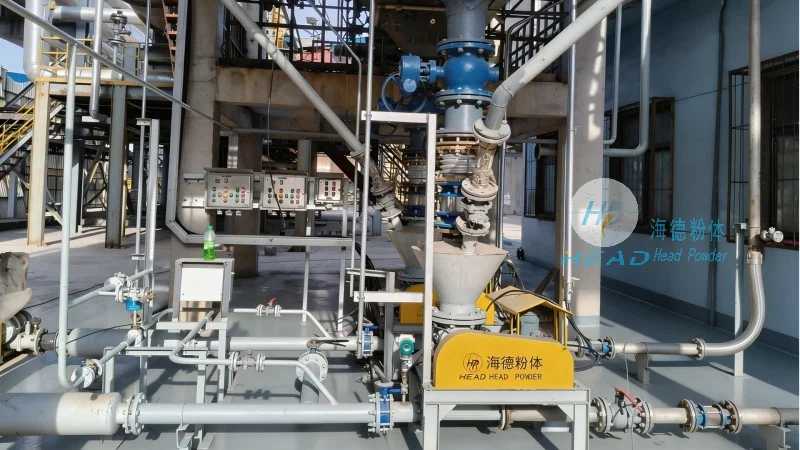
Company Overview and Expertise
Shandong HeadPowder Engineering Co., Ltd. (HeadPowder) is a professional manufacturer and supplier of industrial material handling equipment. With a strong focus on innovation and customer-centric solutions, the company has established itself as a trusted partner in the field of pneumatic conveying technology. HeadPowder's team of experienced engineers and technicians leverages decades of industry knowledge to design systems tailored to the specific needs of clients, ensuring optimal performance and reliability in diverse industrial settings.
Introduction to Magnesium Silicate Pneumatic Conveying
Magnesium silicate, commonly used in various industrial applications such as refractory materials, insulation products, and chemical processing, poses unique challenges when it comes to material transport. Traditional methods like belt conveyors or bucket elevators may not be suitable due to the material's fine particle size, hygroscopic nature, or tendency to agglomerate. Pneumatic conveying systems offer a more efficient and hygienic alternative, enabling the transport of magnesium silicate and other similar powders over long distances with minimal dust generation and operational flexibility.
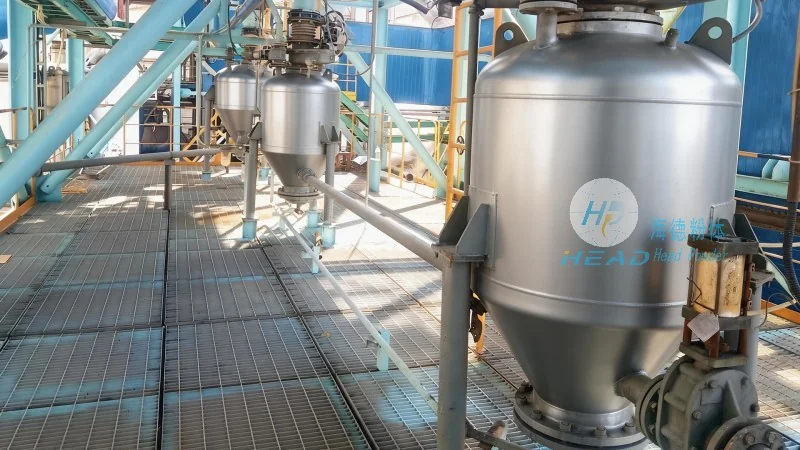
Core Components of the Pneumatic Conveying System
The magnesium silicate pneumatic conveying system consists of several critical components that work in concert to achieve reliable material transport. These include the hopper for material storage, a feeder to control the flow rate, a conveying line (often equipped with pressure vessels or vacuum units), and a receiver for the discharged material. Additionally, the system may incorporate accessories like filters, cyclones, and pressure regulators to ensure smooth operation and maintain material quality.
Working Principle: How the System Operates
The operation of the magnesium silicate pneumatic conveying system is based on the principle of air movement to transport bulk materials. In a typical positive pressure system, compressed air is introduced into the conveying line, creating a pressure differential that propels the magnesium silicate particles through the system. The material is drawn from the hopper by the air flow, and the feeder regulates the flow rate to prevent overloading or blockages. The conveying line may include bends, expansions, or restrictions to manage the air and material flow, with the receiver at the end collecting the material as the air is filtered and returned to the system.
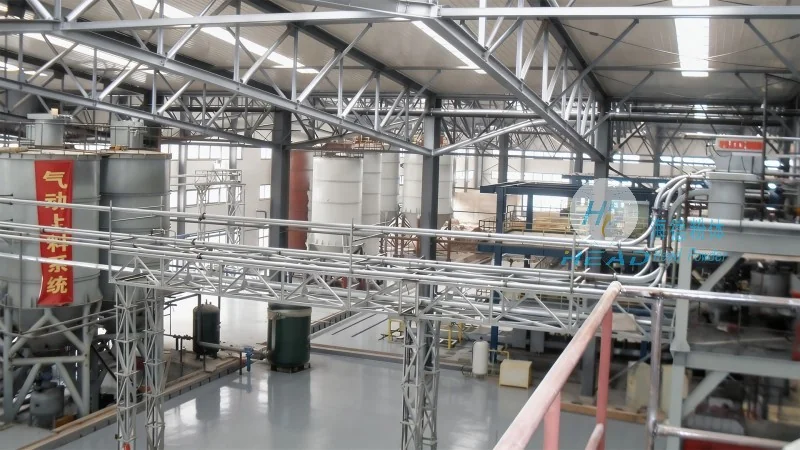
Advantages of Magnesium Silicate Pneumatic Conveying
Compared to traditional material handling methods, the pneumatic conveying system for magnesium silicate offers several advantages. These include reduced dust exposure, which enhances workplace safety and compliance with environmental regulations. The system also minimizes material degradation due to less contact with equipment surfaces and lower friction. Furthermore, the ability to transport materials over long distances with minimal maintenance and the flexibility to adapt to changing production needs make it a cost-effective solution for industrial applications.
Applications and Industries
The magnesium silicate pneumatic conveying system is widely used across various industries that rely on the handling of fine powders. In the refractory industry, it is employed to transport raw materials for brick and ceramic production. The insulation sector utilizes the system to move magnesium silicate-based insulation products from production lines to storage or packaging areas. Additionally, chemical processing plants and pharmaceutical manufacturers benefit from the system's ability to handle hygroscopic and sensitive materials without contamination or loss of quality.
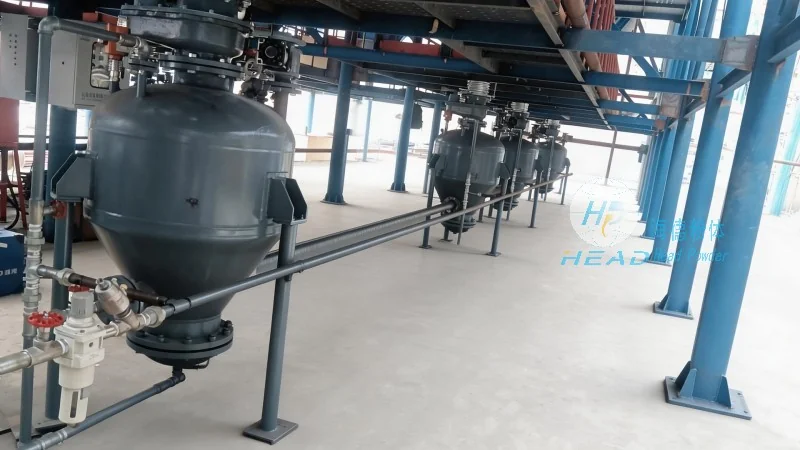
Customization and System Optimization
HeadPowder understands that each industrial application has unique requirements, and thus offers customized pneumatic conveying systems tailored to specific needs. The company's engineers work closely with clients to assess material properties, transport distances, and operational constraints, then design a system that maximizes efficiency and minimizes downtime. Regular maintenance and performance monitoring are also part of the service, ensuring that the system operates at peak performance throughout its lifecycle.
Conclusion
From its origins in Shandong, China, HeadPowder Engineering Co., Ltd. has established itself as a leader in the design and implementation of magnesium silicate pneumatic conveying systems. By leveraging advanced engineering principles and a commitment to quality, the company provides reliable and efficient solutions that meet the demands of modern industrial operations. The principles outlined in this article highlight the importance of understanding the system's components and operation to achieve optimal performance and ensure long-term success in material handling.