

What is a Phosphate Iron Lithium Powder Conveying Line? What are its Design Principles?
A phosphate iron lithium powder conveying line is a specialized system designed for the efficient and safe transportation of phosphate iron lithium (LFP) powder, a critical material in lithium-ion battery production. This system integrates various components such as hoppers, feeders, conveyors, and control systems to ensure the smooth and controlled movement of the powder from storage to processing or packaging stages. The design of such a line is tailored to meet the unique characteristics of LFP powder, which includes its fine particle size, potential for static charge, and sensitivity to moisture and contamination.
Key Design Principles of the Conveying Line
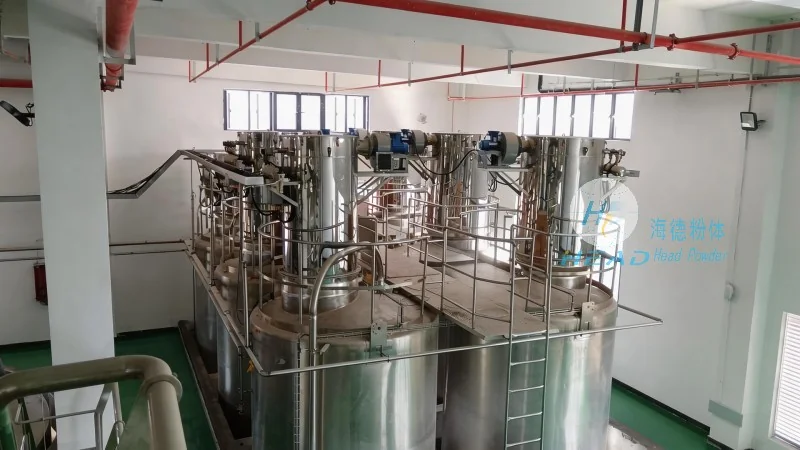
The design principles of a phosphate iron lithium powder conveying line focus on several critical aspects to ensure optimal performance and safety. First, the system must address the challenges posed by the powder's fine particle size, which can lead to caking or blockages in traditional conveying systems. To mitigate this, the line incorporates specialized feeders like vibratory feeders or rotary valves that can handle fine powders without causing agglomeration. Second, the prevention of static electricity buildup is paramount, as LFP powder is prone to generating static charges that can lead to sparks or even explosions in an explosive environment. Therefore, the design includes grounding mechanisms and anti-static materials throughout the system to dissipate static charge effectively. Third, the system is engineered to minimize exposure to moisture and air, as LFP powder is hygroscopic and can degrade when exposed to high humidity. This is achieved through the use of sealed hoppers, enclosed conveyor sections, and moisture-resistant components. Finally, the design emphasizes energy efficiency and operational reliability, with features like variable speed drives that adjust the conveyor speed based on the material flow rate, reducing energy consumption and wear on components.
Components and Their Functions in the Conveying Line
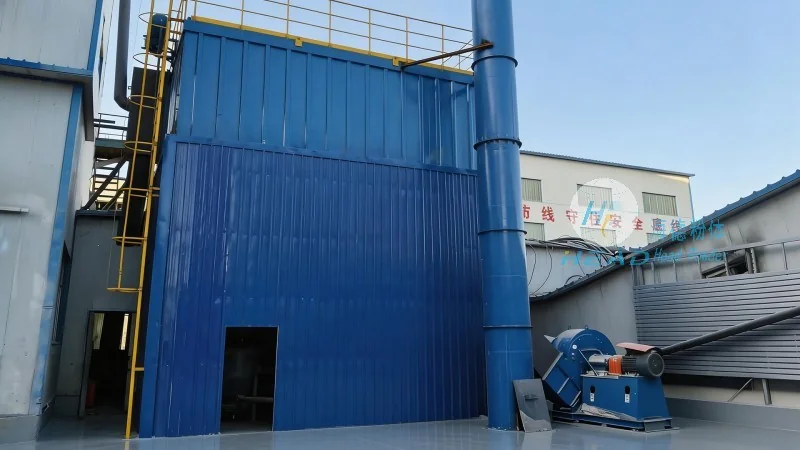
The phosphate iron lithium powder conveying line consists of several key components, each playing a vital role in the overall operation. The primary component is the hopper, which serves as the storage container for the LFP powder. The hopper is typically made of stainless steel or other corrosion-resistant materials to prevent contamination and ensure durability. It is equipped with a lid and a discharge port connected to the feeder. The feeder is responsible for controlling the flow rate of the powder from the hopper to the conveyor. Common types of feeders used include screw feeders, vibratory feeders, and rotary valves. These feeders are designed to handle fine powders and can be adjusted to maintain a consistent flow rate, which is crucial for preventing overloading or underloading of the conveyor. The conveyor itself is the core component that transports the powder from the feeder to the next processing stage. It can be a belt conveyor, a screw conveyor, or a pneumatic conveyor, depending on the specific requirements of the application. The conveyor is usually enclosed to prevent dust emissions and to maintain a controlled environment. The control system is another essential part of the line, which monitors and regulates the operation of all components. It includes sensors to detect the level of powder in the hopper, the flow rate from the feeder, and the speed of the conveyor. The control system also includes safety features such as emergency stop buttons and overload protection to ensure the safe operation of the line.
Applications and Benefits of the Conveying Line
The phosphate iron lithium powder conveying line is widely used in the production of lithium-ion batteries, where LFP powder is a key component. The line is also used in other industries where fine powders need to be transported, such as in pharmaceuticals, food processing, and chemical manufacturing. The benefits of using a specialized conveying line for LFP powder include improved efficiency, reduced downtime, and enhanced safety. The line can handle large volumes of powder with minimal maintenance, and the enclosed design prevents dust emissions and contamination. Additionally, the system's design ensures that the powder is handled gently, which helps to maintain its quality and prevent degradation. The use of anti-static and moisture-resistant components also helps to extend the life of the equipment and reduce the risk of accidents.
About Shandong HeadPowder Engineering Co., Ltd.
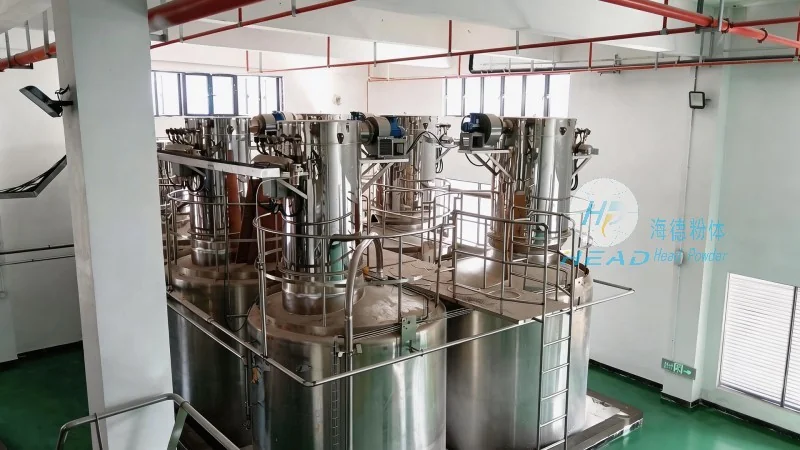
Shandong HeadPowder Engineering Co., Ltd., commonly known as HeadPowder, is a leading manufacturer of powder handling equipment and systems. The company specializes in the design, manufacturing, and installation of conveying lines for various industries, including battery manufacturing, pharmaceuticals, and food processing. HeadPowder has a team of experienced engineers and technicians who are dedicated to providing high-quality products and services to its customers. The company's products are designed to meet the specific needs of each customer, and they are manufactured using the latest technology and materials. HeadPowder is committed to providing reliable and efficient solutions for powder handling, and it has earned a reputation for excellence in the industry.