

The Role of Pneumatic Conveying in PVC Material Handling
HeadPowder, a leading engineering firm based in Shandong, China, specializes in the design and implementation of advanced material handling solutions, including pneumatic conveying systems tailored for PVC processing. Pneumatic conveying has emerged as a critical technology in the PVC industry, offering efficient and reliable methods for transporting PVC materials from production lines to processing facilities. This article explores the key functions and benefits of pneumatic conveying in PVC material handling, highlighting how such systems enhance operational efficiency and product quality.
Pneumatic Conveying Systems: An Overview
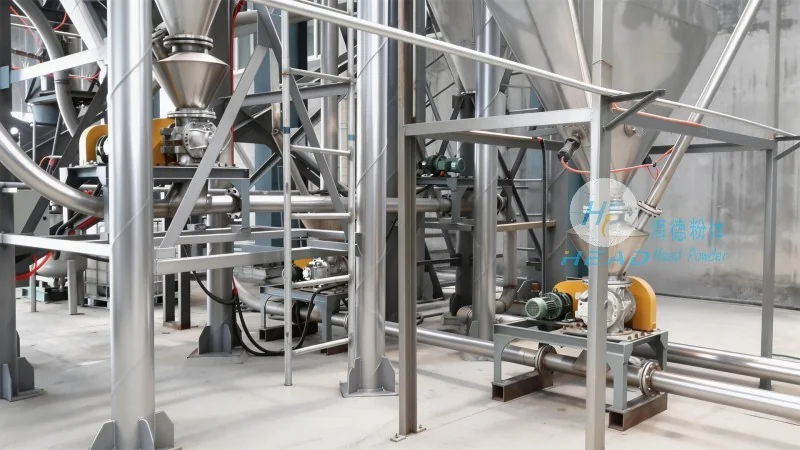
Pneumatic conveying, also known as air conveying, is a method of transporting bulk materials like PVC through a pipeline using a stream of air. Unlike traditional mechanical systems that rely on belts or screws, pneumatic conveying utilizes compressed air to move materials, providing a flexible and versatile solution for various PVC applications. The technology is particularly advantageous for handling PVC powders and granules, which are often sensitive to moisture and contamination. By maintaining a closed system, pneumatic conveyors prevent exposure to external elements, ensuring the integrity of the PVC material throughout the transport process.
Key Applications of Pneumatic Conveying in PVC Processing
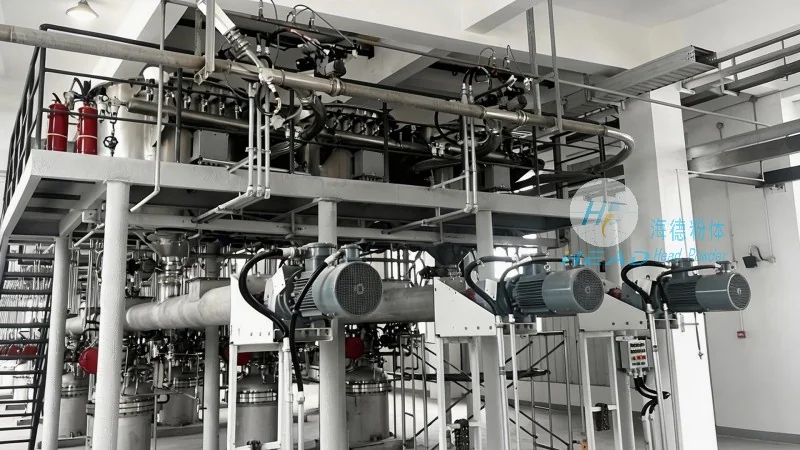
HeadPowder's pneumatic conveying systems are widely used in multiple stages of PVC production and processing. One primary application is the transfer of PVC resin from storage silos to mixing and extrusion equipment. This process requires precise control over material flow and temperature, which pneumatic conveying systems excel at by providing consistent and controlled material delivery. Additionally, pneumatic conveyors are employed in the transportation of PVC additives, such as stabilizers and plasticizers, to blending units. The ability to handle different material types simultaneously or sequentially makes these systems highly adaptable to complex PVC formulations.
Benefits of Pneumatic Conveying for PVC Handling
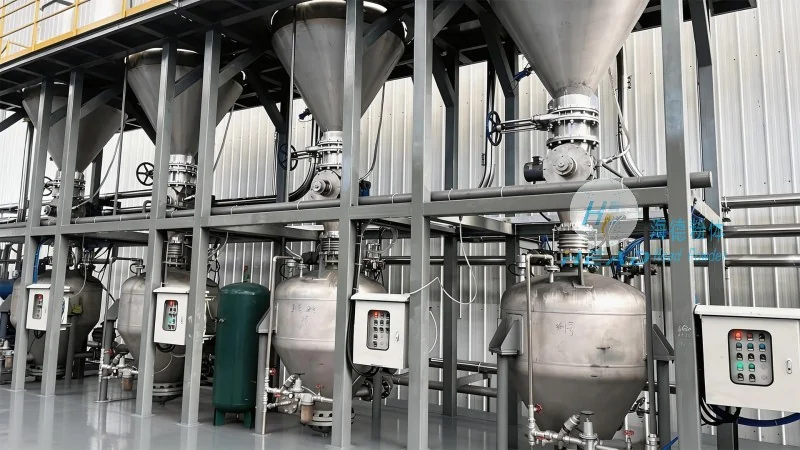
The adoption of pneumatic conveying in PVC material handling offers several significant advantages. Firstly, it enhances operational efficiency by reducing downtime and labor costs associated with manual material handling. Automated systems can operate continuously, minimizing the need for human intervention and ensuring a steady supply of PVC to production lines. Secondly, pneumatic conveying improves product quality by maintaining a controlled environment. The closed pipeline system prevents dust and moisture from contaminating the PVC, which is crucial for maintaining the material's purity and performance characteristics. Thirdly, these systems offer flexibility in layout and integration. Pneumatic conveyors can be easily reconfigured to accommodate changes in production processes or facility expansions, providing long-term value for PVC manufacturers.
Customized Solutions by HeadPowder
HeadPowder Engineering Co., Ltd. specializes in developing customized pneumatic conveying solutions tailored to the specific needs of PVC manufacturers. The company's engineering team works closely with clients to assess their production requirements, material characteristics, and facility constraints. By leveraging advanced design software and extensive industry experience, HeadPowder designs systems that optimize material flow, minimize energy consumption, and ensure compliance with safety and environmental regulations. The company's solutions often include components such as rotary valves, airlocks, and filter systems, all integrated into a seamless operation to meet the unique demands of PVC processing.
Conclusion
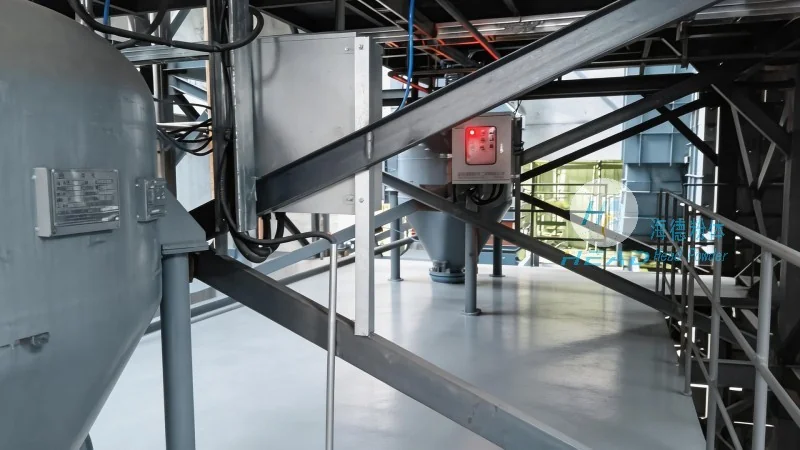
Pneumatic conveying plays a vital role in modern PVC material handling, offering a reliable and efficient method for transporting PVC materials. HeadPowder Engineering Co., Ltd., with its expertise in pneumatic conveying systems, provides comprehensive solutions that enhance operational performance and product quality for PVC manufacturers. By investing in advanced pneumatic conveying technology, PVC producers can improve their competitiveness in the market while ensuring the integrity of their materials throughout the processing chain.