

Technical Parameters and Transport System Process for Organic Fertilizers
Organic fertilizers are fundamental to modern agricultural sustainability, providing essential nutrients to soil while supporting eco-friendly farming practices. The effective deployment of organic fertilizers hinges on precise technical parameters and advanced transport systems. This article examines the critical technical specifications governing organic fertilizer production and the sophisticated transport mechanisms designed to handle these materials, emphasizing how each element contributes to optimal performance and environmental stewardship.
Key Technical Parameters for Organic Fertilizer Production
When formulating organic fertilizer products, several pivotal technical parameters must be meticulously managed to ensure quality, safety, and efficacy. These parameters encompass moisture content, particle size distribution, nutrient composition, and microbial activity. Moisture content is a primary factor as it directly impacts material handling characteristics and storage stability. Organic fertilizers are typically processed to maintain moisture levels between 30% to 50%, depending on raw material types and intended applications. Particle size distribution is another critical parameter, as it influences nutrient solubility, release rates, and ease of application. For example, granular organic fertilizers are often produced with particle sizes ranging from 1 to 5 millimeters, enhancing uniformity and reducing dust during handling. Nutrient composition, including nitrogen, phosphorus, and potassium (N-P-K) ratios, is tailored to meet specific crop requirements. Additionally, microbial activity—particularly beneficial bacteria and fungi—is vital for improving soil health and promoting plant growth. These parameters are continuously monitored and controlled throughout production to ensure compliance with industry standards and regulatory mandates.
Advanced Transport Systems for Organic Fertilizer Handling
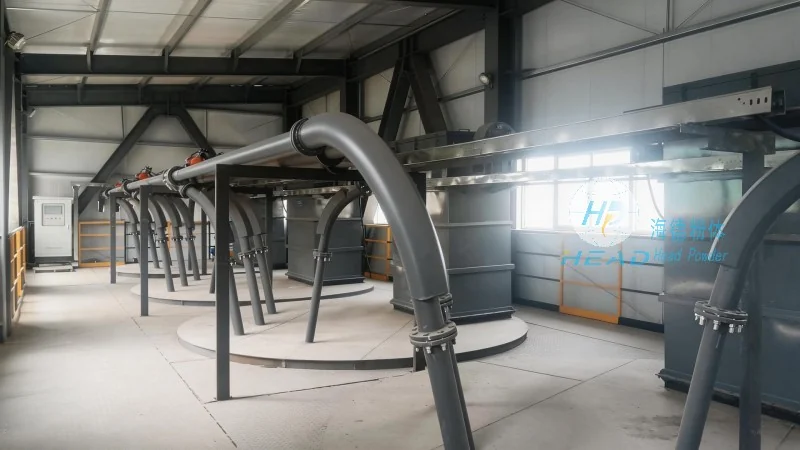
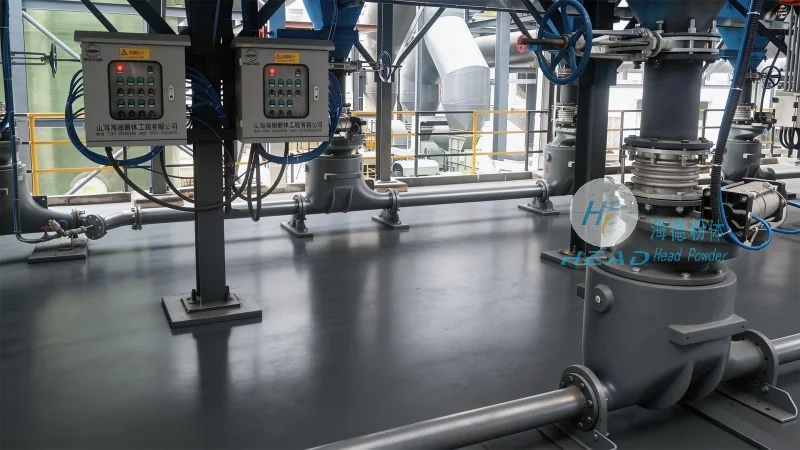
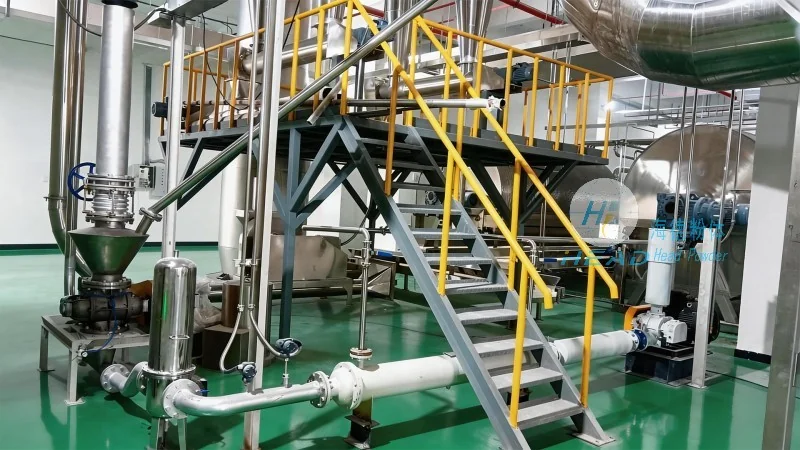
The efficient movement of organic fertilizers from production facilities to end-users requires robust and specialized systems. Traditional methods, such as manual loading and unloading, are often inefficient and pose health risks due to dust exposure. Modern transport systems have evolved to address these challenges, integrating advanced technologies to enhance safety, efficiency, and environmental compliance. One primary system is the pneumatic conveying system, which uses compressed air to transport organic fertilizer materials through pipelines. This system excels at handling fine powders and granules, minimizing material degradation and reducing manual handling needs. Technical parameters for pneumatic conveying include air velocity, pressure, and pipeline diameter, all optimized to ensure consistent flow and prevent blockages. Another advanced solution is the screw conveyor system, which employs rotating screws to move bulk organic fertilizers. Ideal for larger particle sizes, this system is commonly used in bulk storage and distribution centers. The screw design—specifically pitch and speed—is critical for maintaining smooth, continuous material flow. Automated loading and unloading systems, such as belt conveyors and forklifts, are integrated with transport systems to streamline operations and cut labor costs. These systems feature sensors and control mechanisms to monitor flow rates and prevent overloading, ensuring safe and efficient material handling.
Integration of Technical Parameters and Transport Systems
The seamless integration of technical parameters and transport systems is essential for achieving optimal performance in organic fertilizer applications. The fertilizer's technical specifications—like moisture content and particle size—directly influence transport system design and operation. For instance, a high-moisture fertilizer may require a transport system with additional drying capabilities to prevent clogging and preserve quality. Conversely, a uniformly granular fertilizer can be efficiently conveyed via pneumatic systems without risk of blockages. The transport system must also align with storage and application equipment used by farmers, ensuring material delivery is compatible with existing machinery for easy spreading or application. This integration involves coordination between production, logistics, and end-user needs to optimize the entire supply chain. By aligning technical parameters with transport capabilities, companies enhance organic fertilizer effectiveness, leading to improved crop yields and soil health.
Conclusion
In summary, the technical parameters and transport systems for organic fertilizers are integral to modern agricultural sustainability. Precise control of parameters such as moisture content, particle size, and nutrient composition ensures high-quality products that meet farmer and environmental needs. Advanced transport systems—including pneumatic conveying and screw conveyors—boost efficiency and safety, reducing labor costs and minimizing environmental impacts. The integration of these systems is crucial for optimizing the organic fertilizer supply chain, from production to application. As sustainable farming practices gain traction, the importance of these technical and transport elements will grow, driving innovation and improvement in the industry. By adhering to these guidelines and leveraging advanced technologies, companies can contribute to a more sustainable and productive agricultural sector.