

Technical Parameters and Conveying System Process for Corn Feed
For agricultural operations focused on corn feed production, understanding the technical parameters and efficient conveying systems is crucial for optimizing workflow and ensuring product quality. The following content provides detailed insights into the key aspects of corn feed handling, including technical specifications and the process of conveying systems designed for this specific application.
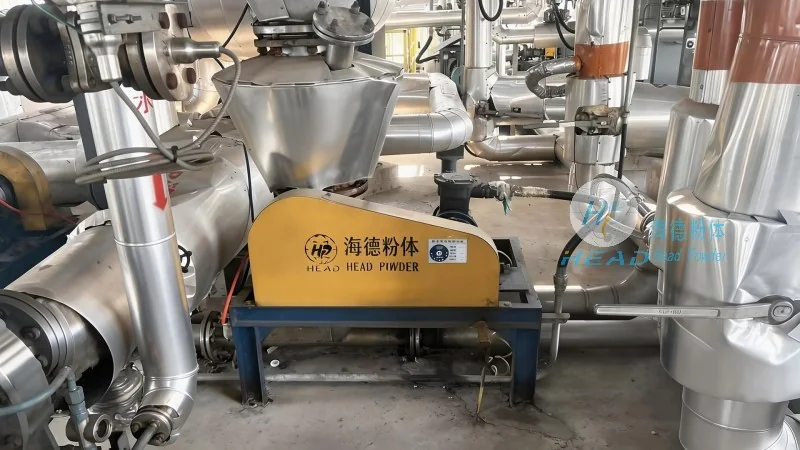
Key Technical Parameters for Corn Feed Conveying Systems
The technical parameters of corn feed conveying systems are tailored to meet the unique characteristics of corn feed, such as its bulk density, moisture content, and flowability. These parameters are essential for selecting the appropriate equipment and ensuring reliable operation. Key technical aspects include:
1. **Bulk Density**: Corn feed typically has a bulk density ranging from 0.5 to 0.7 tons per cubic meter, depending on the moisture level and processing method. This parameter influences the capacity and power requirements of the conveying system.
2. **Moisture Content**: The moisture content of corn feed affects its flowability and the risk of caking or bridging in the system. Proper moisture control is vital to maintain consistent performance and prevent equipment blockages.
3. **Flowability**: Corn feed is generally free-flowing, but variations in particle size and moisture can impact its flow characteristics. The conveying system must be designed to handle these variations without causing segregation or uneven distribution.
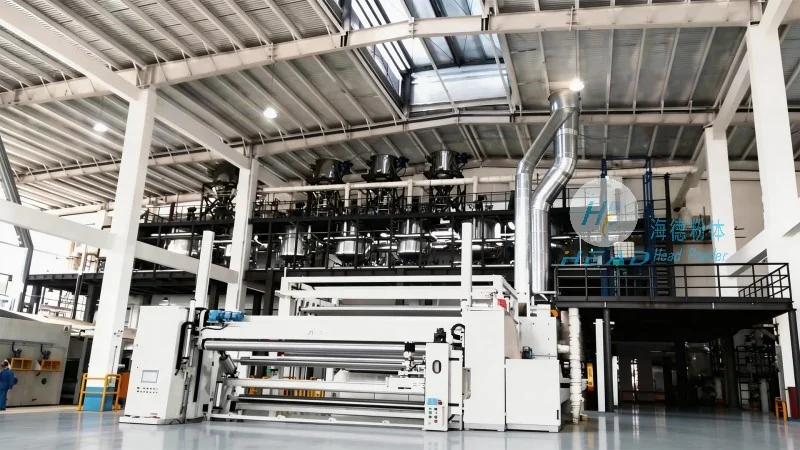
4. **Temperature**: In some cases, corn feed may require temperature control to prevent spoilage or to adjust its processing properties. The conveying system may incorporate heating or cooling elements to maintain optimal temperature levels.
The Conveying System Process for Corn Feed
The conveying system for corn feed involves a series of steps designed to transport the feed from storage to processing or packaging areas. The process typically includes the following stages:
1. **Storage and Feeding**: Corn feed is stored in silos or bulk storage containers. A feeding mechanism, such as a rotary valve or a screw feeder, controls the flow of feed from the storage into the conveying system.
2. **Conveying Equipment**: Various types of conveying equipment are used, including belt conveyors, screw conveyors, and pneumatic conveyors. The choice of equipment depends on the specific technical parameters of the corn feed and the layout of the facility.
3. **Dosing and Metering**: To ensure accurate and consistent feed delivery, dosing and metering equipment is integrated into the system. This helps maintain uniform feed quality and meets the requirements of downstream processing.
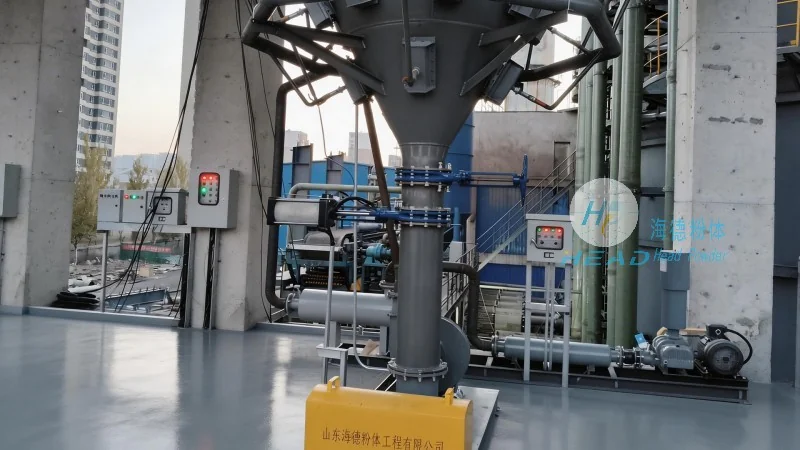
4. **Processing Integration**: The conveying system may be connected to processing units, such as grinding or mixing equipment. The feed is transported to these units at the required rate and consistency.
5. **Packaging and Distribution**: After processing, the corn feed is conveyed to packaging equipment for final distribution. The system ensures that the feed is delivered to the packaging line without any loss or contamination.
Company Information and Contact Details
Shandong HeadPowder Engineering Co., Ltd., a leading provider of engineering solutions for agricultural feed processing, specializes in designing and manufacturing efficient conveying systems for corn feed. With a focus on technical expertise and customer satisfaction, the company offers tailored solutions that meet the specific needs of agricultural operations.
HeadPowder, as the company is commonly known, is committed to delivering high-quality equipment and services that enhance the productivity and profitability of corn feed production. The company's headquarters is located in Shandong, China, and it serves clients globally with its advanced engineering capabilities and reliable products.