

Types, Features, and Application Ranges of Dolomite Pneumatic Conveying Systems
Dolomite, a naturally occurring mineral composed primarily of calcium magnesium carbonate, is widely used in various industrial processes. The efficient handling and transportation of dolomite powder and granules are critical for maintaining production efficiency and quality control. Pneumatic conveying systems offer a reliable solution for this purpose, enabling the safe and effective movement of dolomite material from storage to processing equipment. This article explores the different types of dolomite pneumatic conveying systems, their key features, and the diverse application ranges where they are employed, with a focus on the advanced solutions provided by Shandong HeadPowder Engineering Co., Ltd., a leading manufacturer in the field.
Types of Dolomite Pneumatic Conveying Systems
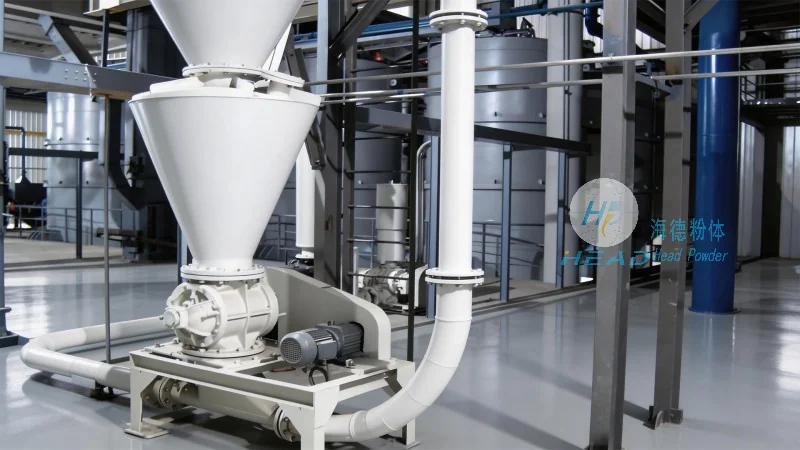
There are primarily two main categories of pneumatic conveying systems used for dolomite material handling: pressure and vacuum systems. Each type has distinct characteristics and is suitable for different operational conditions and material properties.
Pressure Conveying Systems
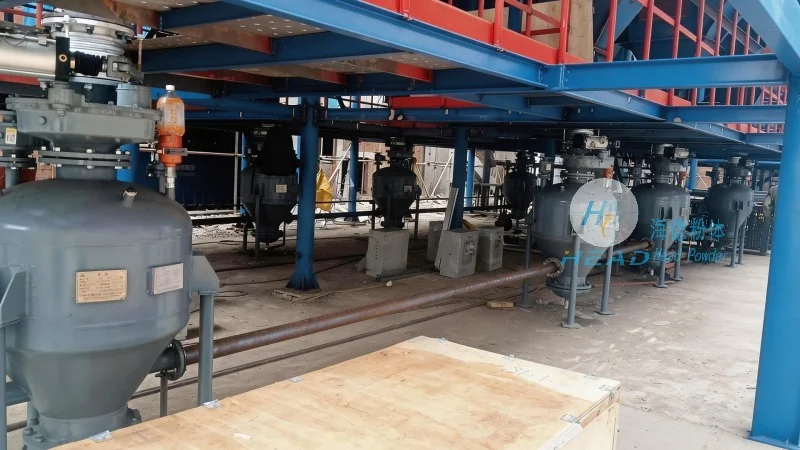
Pressure conveying systems operate by using a positive pressure to push the material through the pipeline. They are generally more suitable for long-distance and high-volume material transport. For dolomite, pressure systems can handle larger particle sizes and higher flow rates, making them ideal for bulk material handling in mining, cement, and chemical industries. The system typically includes a blower or compressor, a material feed hopper, and a pipeline network. The pressure generated by the blower forces the dolomite particles into the pipeline, where they are carried to the destination point. This method is efficient for transporting dolomite from storage silos to production lines, ensuring a continuous supply of raw material.
Vacuum Conveying Systems
Vacuum conveying systems, on the other hand, use a negative pressure to draw the material into the pipeline. They are commonly used for shorter distances and for handling materials that are more sensitive to pressure changes or for cleaning applications. For dolomite, vacuum systems are advantageous when dealing with fine powders or when the material needs to be transported from multiple source points to a central collection point. The system consists of a vacuum pump, a material pickup hopper, and a pipeline network. The vacuum created by the pump pulls the dolomite particles into the pipeline, ensuring a gentle and controlled transport process. This method is particularly useful in pharmaceutical and food processing industries where product purity and material integrity are paramount.
Key Features of Dolomite Pneumatic Conveying Systems
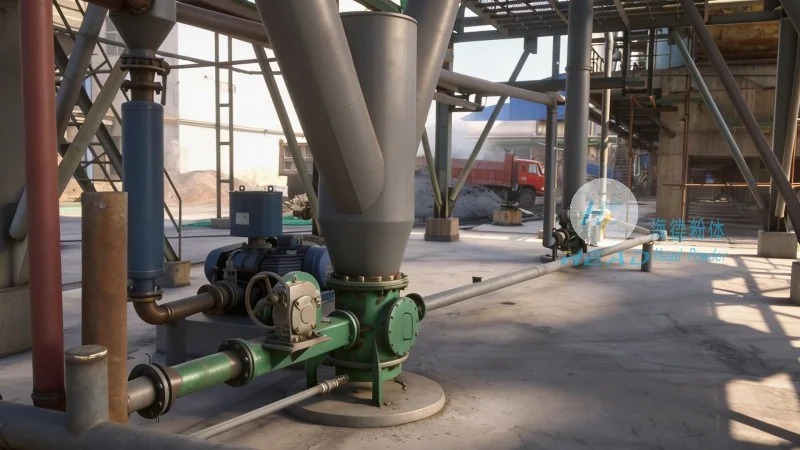
The effectiveness of dolomite pneumatic conveying systems depends on several key features that enhance performance, reliability, and safety. These features are designed to address the specific challenges associated with dolomite material handling, such as its abrasive nature and varying particle sizes.