

Types, Features, and Applications of Pneumatic Conveying for Denitrification Agents
Shandong HeadPowder Engineering Co., Ltd., based in Shandong, China, specializes in providing advanced solutions for the efficient handling of denitrification agents through pneumatic conveying systems. This method of material transport has become increasingly vital in industrial applications, particularly in power plants and chemical facilities, where the precise and safe delivery of these agents is critical for environmental compliance and operational efficiency.
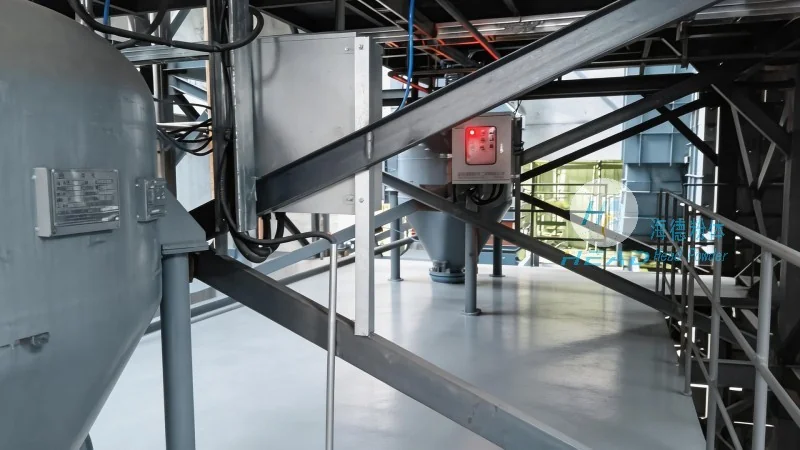
Types of Pneumatic Conveying Systems
There are primarily two main types of pneumatic conveying systems used for denitrification agents: positive pressure and negative pressure systems. Positive pressure systems operate by blowing air or gas into the conveying line, pushing the material forward. This method is often preferred for long-distance or high-volume transport due to its ability to handle abrasive or sensitive materials without causing degradation. Negative pressure systems, on the other hand, create a vacuum to draw material into the system, which is suitable for shorter distances and less abrasive materials. Each type offers distinct advantages depending on the specific requirements of the application, such as the material's properties, the distance to be covered, and the overall system complexity.
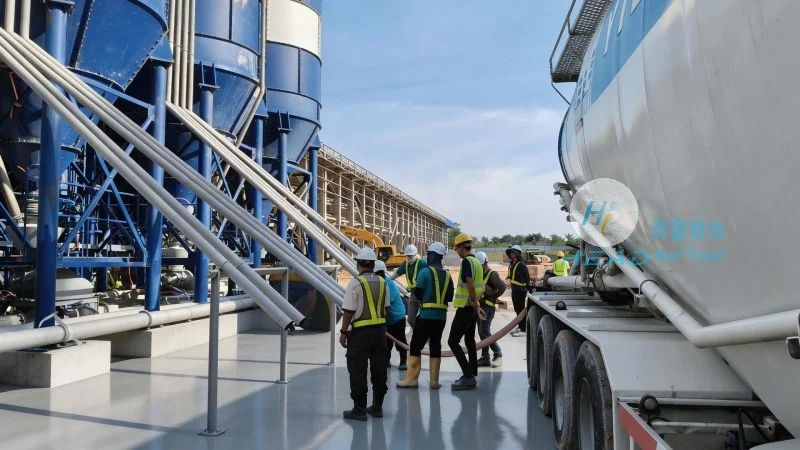
Key Features of Pneumatic Conveying for Denitrification Agents
Efficiency and reliability are paramount when dealing with denitrification agents, and pneumatic conveying systems excel in these areas. One of the most significant features is the ability to transport materials in a closed system, which minimizes dust emissions and ensures environmental safety. This is crucial for denitrification agents, as they are often used in processes that require strict air quality control. Additionally, these systems offer high throughput rates, allowing for rapid and continuous material handling, which is essential in large-scale industrial operations. The compact design of pneumatic conveying equipment also contributes to space-saving advantages, making it suitable for facilities with limited floor space. Furthermore, the systems are generally low maintenance, reducing operational costs and downtime. Safety is another critical feature, as the enclosed nature of the system prevents exposure to harmful particles and reduces the risk of accidents associated with manual handling.
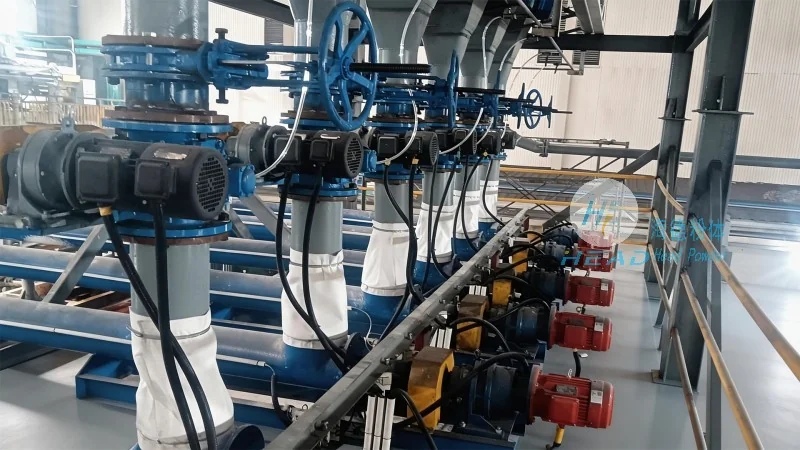
Applications and Use Cases
The application range of pneumatic conveying for denitrification agents is broad and encompasses various industrial sectors. In power generation, particularly in coal-fired power plants, these systems are used to transport urea or other nitrogen-based reagents to the selective catalytic reduction (SCR) systems, where they are used to reduce nitrogen oxides (NOx) emissions. The precise control of material flow is essential in these applications to ensure optimal NOx reduction and compliance with environmental regulations. In chemical manufacturing, pneumatic conveying is employed to handle various denitrification agents used in the production of fertilizers, pharmaceuticals, and other chemical products. The ability to handle different particle sizes and moisture content makes these systems versatile for diverse chemical processes. Additionally, in industrial waste treatment facilities, pneumatic conveying is used to transport denitrification agents for the treatment of wastewater and flue gas emissions, contributing to overall environmental sustainability.
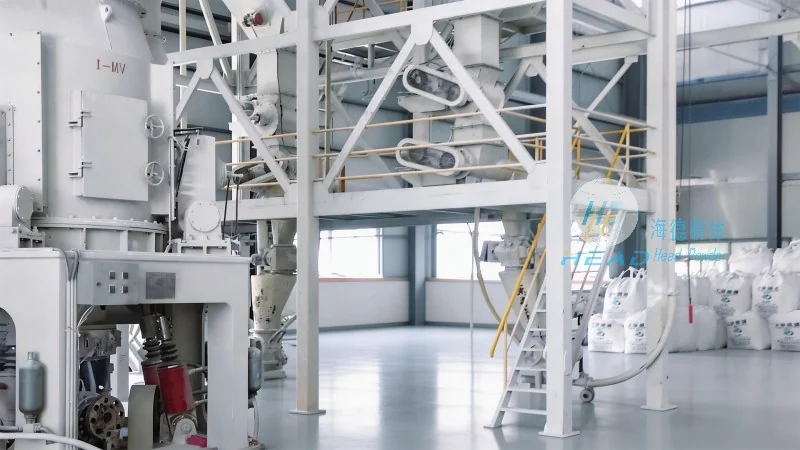
Advantages and Considerations
While pneumatic conveying offers numerous benefits, there are also considerations to keep in mind when implementing such systems. The initial investment cost can be higher compared to traditional methods like belt conveyors, but the long-term operational savings and efficiency gains often outweigh this. The system's performance is highly dependent on the properties of the material being conveyed, such as particle size, density, and moisture content. Proper system design and sizing are crucial to ensure optimal performance and prevent issues like blockages or system inefficiencies. Additionally, the selection of the appropriate air pressure and flow rate is critical to maintain the system's efficiency and prevent excessive energy consumption. Regular maintenance and monitoring are also essential to ensure the system operates at peak performance and to address any potential issues before they become major problems.