

Types, Features, and Applications of Polyethylene Pneumatic Conveying Systems
Understanding the various types, key characteristics, and application ranges of polyethylene pneumatic conveying systems is crucial for industries seeking efficient material handling solutions. This article provides an in-depth overview of these systems, highlighting their design, operational advantages, and practical uses.
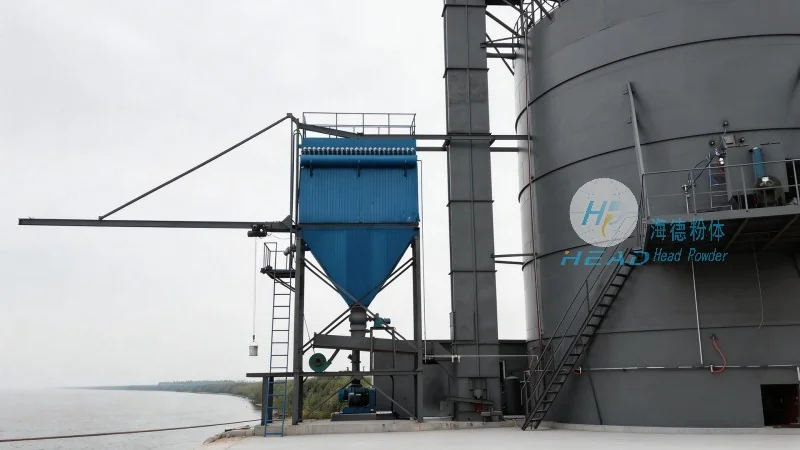
Overview of Polyethylene Pneumatic Conveying Systems
Polyethylene pneumatic conveying systems utilize air or gas to transport polyethylene particles or granules from one location to another. These systems are widely used in manufacturing, chemical processing, and material handling applications due to their ability to handle abrasive or sensitive materials with minimal wear and tear. The technology offers a flexible and cost-effective method for moving bulk materials over short to medium distances.
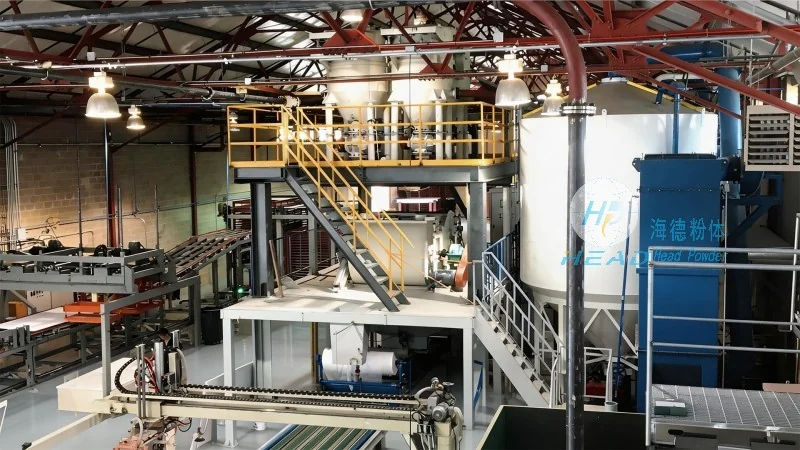
Different Types of Polyethylene Pneumatic Conveying
There are several types of polyethylene pneumatic conveying systems, each designed for specific operational requirements. The primary categories include:
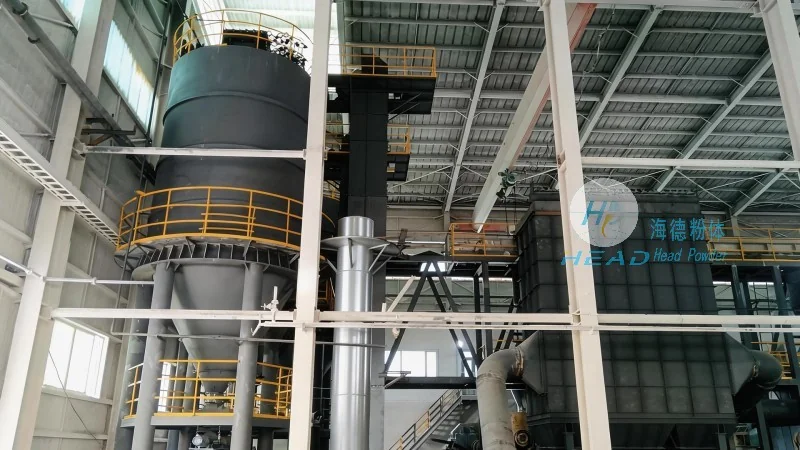
- Positive Pressure Conveying: In this system, air is blown into the conveying line, creating positive pressure that pushes the material forward. This method is ideal for transporting materials over longer distances and is commonly used in applications where the material is light and requires gentle handling.
- Negative Pressure (Vacuum) Conveying: This system uses a vacuum to draw material into the conveying line. It is suitable for applications where the material needs to be collected from multiple points or where the material is heavy and requires a more controlled flow.
- Combination (Bi-Directional) Conveying: This type combines both positive and negative pressure methods, allowing for flexible material movement in both directions. It is particularly useful in complex processing lines where materials need to be transferred between different stages or locations.
Key Features of Polyethylene Pneumatic Conveying Systems
Polyethylene pneumatic conveying systems offer several advantages that make them a preferred choice for many industries. Some of the key features include:
- Low Maintenance: These systems typically require less maintenance compared to mechanical conveying systems, as they have fewer moving parts and are less prone to wear and tear.
- Energy Efficiency: By using air or gas to transport materials, the systems consume less energy compared to traditional methods like belt conveyors or bucket elevators.
- Flexibility: The systems can be easily adjusted to handle different material types, sizes, and flow rates, making them versatile for various applications.
- Space Efficiency: Pneumatic conveying systems can be installed in tight spaces and can be designed to follow the layout of the facility, optimizing the use of available space.
- Reduced Material Damage: The gentle handling of materials through air flow minimizes the risk of damage or degradation, which is particularly important for sensitive polyethylene products.
Application Ranges of Polyethylene Pneumatic Conveying Systems
Polyethylene pneumatic conveying systems are used in a wide range of applications across various industries. Some common applications include:
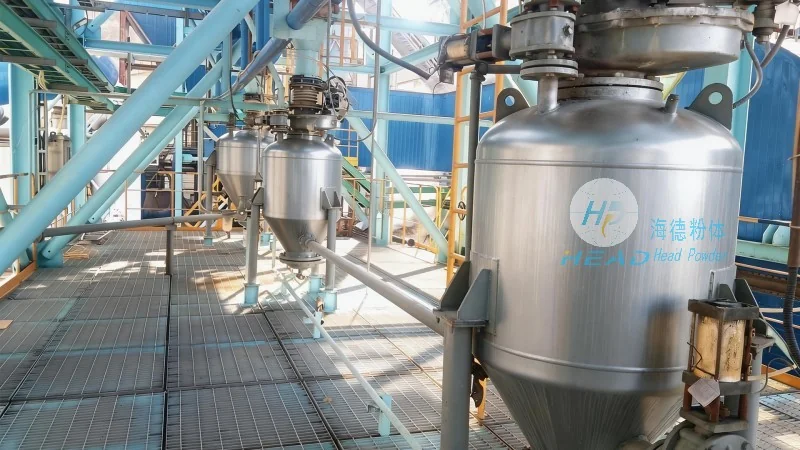
- Plastic Manufacturing: In the production of polyethylene products, these systems are used to transport raw materials, such as pellets or granules, from storage to processing equipment.
- Chemical Processing: The systems are used to handle polyethylene powders or flakes in chemical plants, ensuring safe and efficient material transfer.
- Food and Beverage Industry: Although less common with polyethylene, some applications involve the handling of polyethylene-based packaging materials or components in food processing facilities.
- Pharmaceutical Manufacturing: In pharmaceutical plants, polyethylene pneumatic conveying systems are used to transport polyethylene containers or packaging materials, maintaining hygiene and preventing contamination.
- Construction Materials: The systems can be used to transport polyethylene-based materials, such as plastic pellets or granules, in construction material processing plants.
Conclusion
Polyethylene pneumatic conveying systems are a reliable and efficient solution for material handling in various industries. By understanding the different types, key features, and application ranges, businesses can select the most appropriate system to meet their specific needs. With proper design and maintenance, these systems can provide long-term operational benefits and contribute to improved productivity and cost savings.