

Rice and Flour Conveying Methods: Pneumatic Conveying Advantages and Features
When it comes to transporting rice and flour, selecting the right conveying method is crucial for efficiency, cost-effectiveness, and product integrity. Traditional methods like belt conveyors and bucket elevators have been widely used, but modern industrial applications increasingly turn to pneumatic conveying systems for their unique advantages. This article explores various rice and flour conveying methods, with a focus on the benefits and characteristics of pneumatic conveying technology.
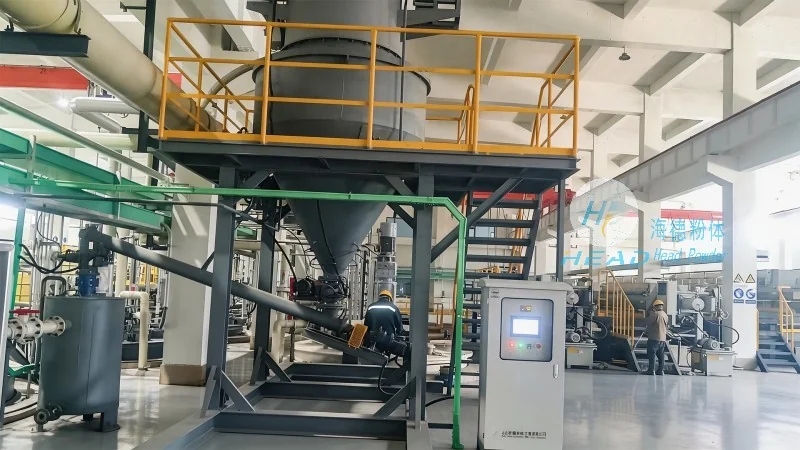
Common Conveying Methods for Rice and Flour
Several conventional methods are employed in the handling of rice and flour. Belt conveyors are often used for bulk material transport over short to medium distances, providing a straightforward and reliable way to move grains and powders. However, they may struggle with fine powders, which can lead to dust issues and reduced efficiency. Bucket elevators are another traditional option, particularly suitable for vertical transport of bulk materials. They are robust and can handle high volumes but may require more maintenance and have limitations in handling very fine or sticky powders.
Pneumatic Conveying: The Modern Solution
Pneumatic conveying, also known as air conveying, represents a significant advancement in material handling for rice and flour. This technology uses compressed air to transport dry bulk materials through a pipeline system. The key advantages of pneumatic conveying for rice and flour include its ability to handle fine powders without generating dust, its flexibility in routing, and its capacity to transport materials over longer distances with minimal loss. Pneumatic systems are particularly effective for applications requiring gentle handling of delicate products, ensuring that the quality of rice and flour is maintained throughout the conveying process.
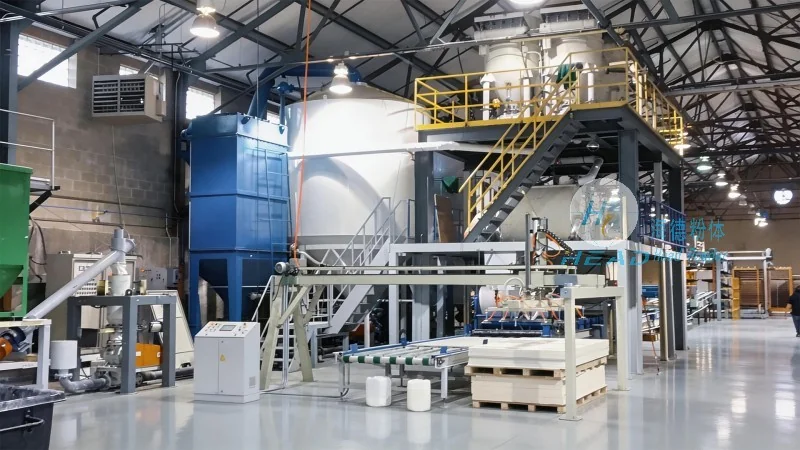
Key Advantages of Pneumatic Conveying for Rice and Flour
One of the primary benefits of pneumatic conveying is its dust-free operation. Unlike belt or bucket elevators, which can create significant dust during transport, pneumatic systems enclose the material in an air stream, preventing contamination and improving workplace safety. This is especially important in food processing environments where hygiene standards are critical. Additionally, pneumatic conveying offers a compact design, allowing for flexible installation in facilities with limited space. The system can be easily reconfigured to adapt to changing production needs, making it a versatile solution for various processing stages.
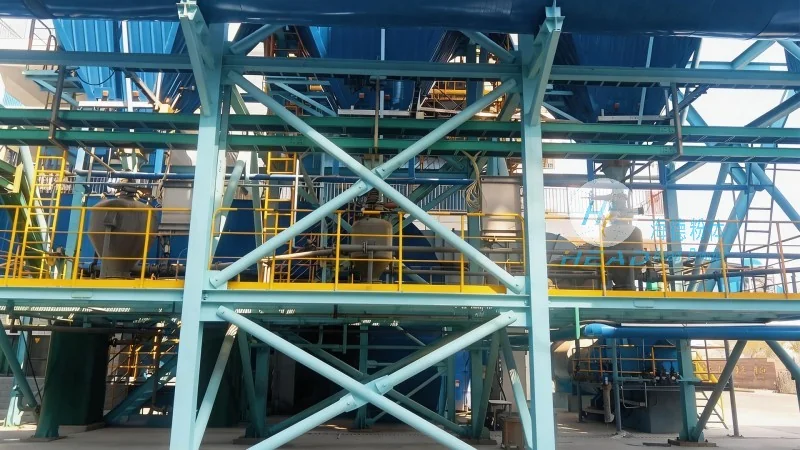
Efficiency and Cost-Effectiveness
Pneumatic conveying also demonstrates superior efficiency in terms of energy consumption and operational costs. By using compressed air to move materials, the system can achieve high throughput with lower energy requirements compared to mechanical systems. The reduced need for maintenance and the elimination of dust-related cleaning costs further contribute to long-term cost savings. For rice and flour processing plants, this translates into increased productivity and lower operational expenses, making pneumatic conveying a financially attractive option.
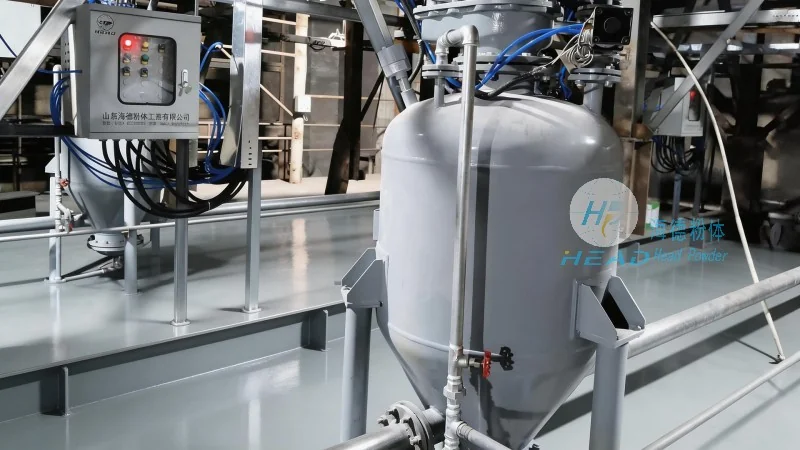
Handling Delicate Products with Precision
Another critical advantage is the gentle handling of rice and flour. Pneumatic systems use air pressure to move materials, minimizing mechanical stress and preventing breakage or agglomeration of fine particles. This is vital for maintaining the quality and texture of rice and flour, which are sensitive to physical damage. The controlled flow of air ensures that the material moves smoothly through the pipeline, reducing the risk of clogging and ensuring consistent product quality. This precision in handling is particularly valuable for high-value products where maintaining purity and integrity is essential.
Applications in Rice and Flour Processing
Pneumatic conveying is widely applied in various stages of rice and flour processing. From raw material intake to storage and packaging, these systems can be integrated into existing production lines. For example, in rice mills, pneumatic conveyors are used to transport raw rice from storage silos to milling equipment, ensuring a continuous and clean flow. Similarly, in flour mills, they handle the transport of milled flour from grinding units to packaging lines. The adaptability of pneumatic systems allows them to be customized for specific processing requirements, such as varying material flow rates or different product types.