

Design Calculation and Equipment Selection for Hot Dry Ash Pneumatic Conveying
Hot dry ash pneumatic conveying systems are critical components in modern industrial waste management and material handling processes. These systems efficiently transport hot, dry ash from combustion sources, such as power plants or industrial furnaces, to disposal or reclamation facilities. The design and selection of equipment for such systems require careful consideration of several key factors, including material properties, system pressure, and operational efficiency. This article provides a comprehensive overview of the design calculation methodologies and equipment selection criteria for hot dry ash pneumatic conveying, tailored to the needs of industrial applications.
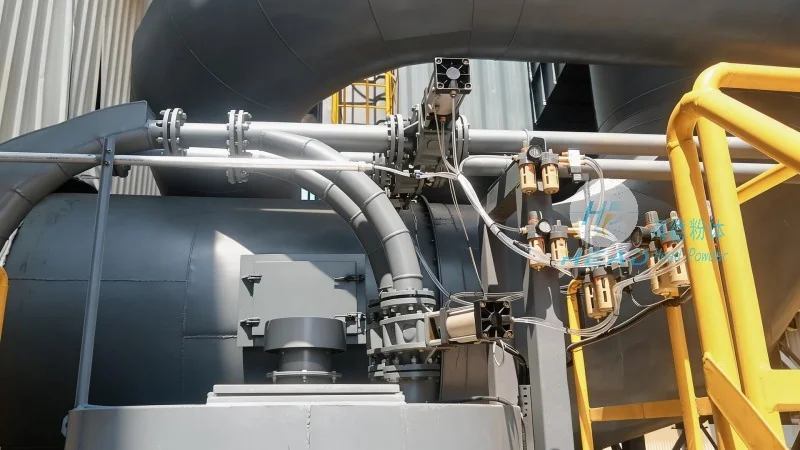
Key Design Considerations for Hot Dry Ash Pneumatic Conveying
The successful implementation of a hot dry ash pneumatic conveying system hinges on accurate design calculations that account for the unique characteristics of the material being transported. Ash, particularly from coal-fired power plants, often exhibits high temperature, abrasive properties, and variable particle sizes. These factors directly impact the choice of conveying medium (air or gas), system pressure, and equipment components. Engineers must consider the following critical design parameters to ensure optimal performance and longevity of the system:
- Material Properties Analysis: Understanding the physical and chemical properties of the ash, including its density, moisture content, and particle size distribution, is fundamental. High temperature and abrasive nature of hot ash necessitate the use of durable materials for components like pipes, valves, and cyclones.
- System Pressure and Flow Rate: The pressure required to move the ash through the system is determined by the vertical or horizontal distance of the conveying line, the length of the pipeline, and the specific gravity of the material. Calculations involve the use of the Darcy-Weisbach equation or empirical formulas to estimate the pressure drop across the system, ensuring sufficient motive force to overcome resistance.
- Conveying Medium Selection: The choice between positive and negative pressure systems depends on the application. Positive pressure systems, where air is blown through the pipeline, are suitable for long horizontal runs or when the ash is to be discharged into an open area. Negative pressure systems, where air is drawn through the pipeline, are ideal for applications requiring dust containment and minimal environmental impact.
- Equipment Selection Criteria: Key equipment includes blowers, cyclone separators, filters, and material handling components. The selection of these components must align with the system's pressure requirements, material handling capacity, and operational safety standards. For instance, high-temperature blowers with heat-resistant coatings are essential for hot ash applications, while cyclone separators with appropriate dimensions ensure efficient particle separation.
Equipment Selection for Hot Dry Ash Pneumatic Conveying
Proper equipment selection is paramount to the reliability and efficiency of hot dry ash pneumatic conveying systems. Shandong HeadPowder Engineering Co., Ltd., a leading provider in the field, offers a range of specialized equipment tailored to the demands of industrial ash handling. The company's expertise lies in matching the right components to the specific requirements of each project, ensuring optimal performance and minimal maintenance.
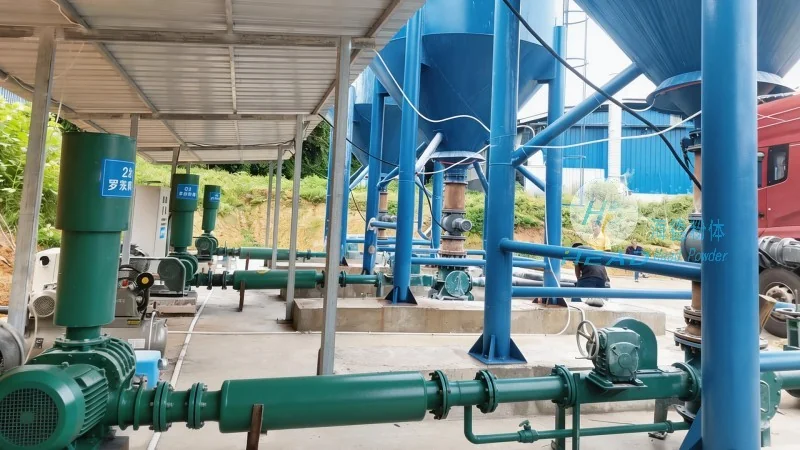
For the blower system, high-efficiency, high-temperature-resistant blowers are recommended. These units are designed to operate under elevated temperatures without compromising performance, ensuring consistent air flow to maintain the conveying velocity. Cyclone separators are another critical component, as they effectively separate ash particles from the conveying medium, preventing clogging and maintaining system efficiency. The selection of cyclones involves considerations such as inlet velocity, separator diameter, and the specific gravity of the ash, all of which are calculated based on the system's design parameters.
Material handling components, including pipelines, valves, and discharge devices, must be constructed from materials resistant to thermal and chemical degradation. Stainless steel or heat-resistant alloys are commonly used for components exposed to high temperatures and abrasive ash particles. The design of these components also considers the need for minimal pressure drop and ease of maintenance, as frequent cleaning or replacement of parts can significantly impact operational costs.
Design Calculation Process and Methodologies
The design calculation process for hot dry ash pneumatic conveying systems involves a systematic approach to ensure all operational parameters are accurately determined. Engineers at Shandong HeadPowder Engineering Co., Ltd. follow a structured methodology that includes the following steps:
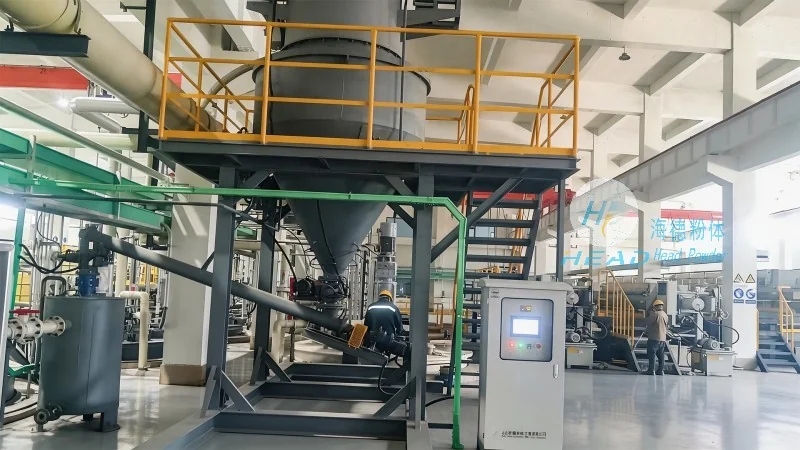
- System Layout and Geometry: The first step is to define the system layout, including the vertical and horizontal distances, pipeline diameter, and the number of bends or fittings. This information is crucial for estimating the total pressure drop across the system.
- Material Flow Rate Calculation: Based on the plant's ash generation rate, the required flow rate of the conveying system is determined. This calculation considers the ash's bulk density and the desired conveying velocity, which is typically maintained above the minimum fluidization velocity to prevent particle settling.
- Pressure Drop Analysis: Using the Darcy-Weisbach equation or empirical correlations, the pressure drop across each component (pipeline, bends, valves, cyclones) is calculated. The sum of these individual pressure drops gives the total system pressure requirement, which dictates the choice of blower capacity.
- Equipment Sizing: Once the pressure and flow rate requirements are known, the appropriate equipment is selected. This includes determining the blower's capacity, the cyclone's dimensions, and the pipeline's diameter to ensure the system operates within its design limits.
- Verification and Optimization: Final calculations are verified to ensure all parameters meet the operational requirements. Optimization may involve adjusting component sizes or system layout to minimize energy consumption while maintaining performance.
Benefits of Professional Design and Equipment Selection
Engaging a specialized engineering firm like Shandong HeadPowder Engineering Co., Ltd. for the design and equipment selection of hot dry ash pneumatic conveying systems offers several advantages. The company's expertise ensures that the system is tailored to the specific needs of the client, resulting in improved operational efficiency, reduced maintenance costs, and enhanced safety. By adhering to industry standards and best practices, the company ensures that the final system meets or exceeds performance expectations while minimizing environmental impact.
Furthermore, the use of high-quality, durable equipment from reputable manufacturers, as recommended by the company, contributes to the long-term reliability of the system. Regular maintenance and monitoring, as part of the overall system design, help identify potential issues early, preventing costly downtime and ensuring continuous operation.